
Best Over Counter Ozempic Alternatives That Work
Let’s start with the basics—understanding what makes Ozempic so effective is crucial for finding alternatives that actually deliver results.
Ozempic belongs to a class of medications called GLP-1 receptor agonists, which essentially trick your body into thinking you’ve just eaten a satisfying meal.

These medications work by mimicking a hormone called glucagon-like peptide-1 (GLP-1) that your intestines naturally produce after eating.
When GLP-1 levels rise, several amazing things happen in your body.
First, it signals your brain’s satiety centers that you’re full, dramatically reducing those constant food cravings that sabotage weight loss efforts.
Second, it slows down gastric emptying—basically making food stay in your stomach longer, keeping you satisfied for hours instead of feeling hungry again in 30 minutes.
Third, it helps regulate blood sugar by enhancing insulin sensitivity and reducing glucose production in your liver.
So what should you look for in over-the-counter alternatives?
The most effective natural options will target at least one of these mechanisms—appetite suppression, blood sugar regulation, or metabolism enhancement.
Look for ingredients that have clinical research backing their effectiveness, not just fancy marketing claims.
Quality matters tremendously when choosing supplements, so always opt for third-party tested products from reputable manufacturers.
Remember, while natural alternatives can be incredibly effective, they typically work more gradually than prescription medications.
Setting realistic expectations is key—most people see meaningful results within 4-8 weeks of consistent use, not overnight transformations.
Top 7 Over-the-Counter Ozempic Alternatives That Actually Work
Let’s have a look at some of the best OTC alternatives for Ozempic that can help you lose weight naturally and safely:
1. Phen24: The Complete Game-Changer
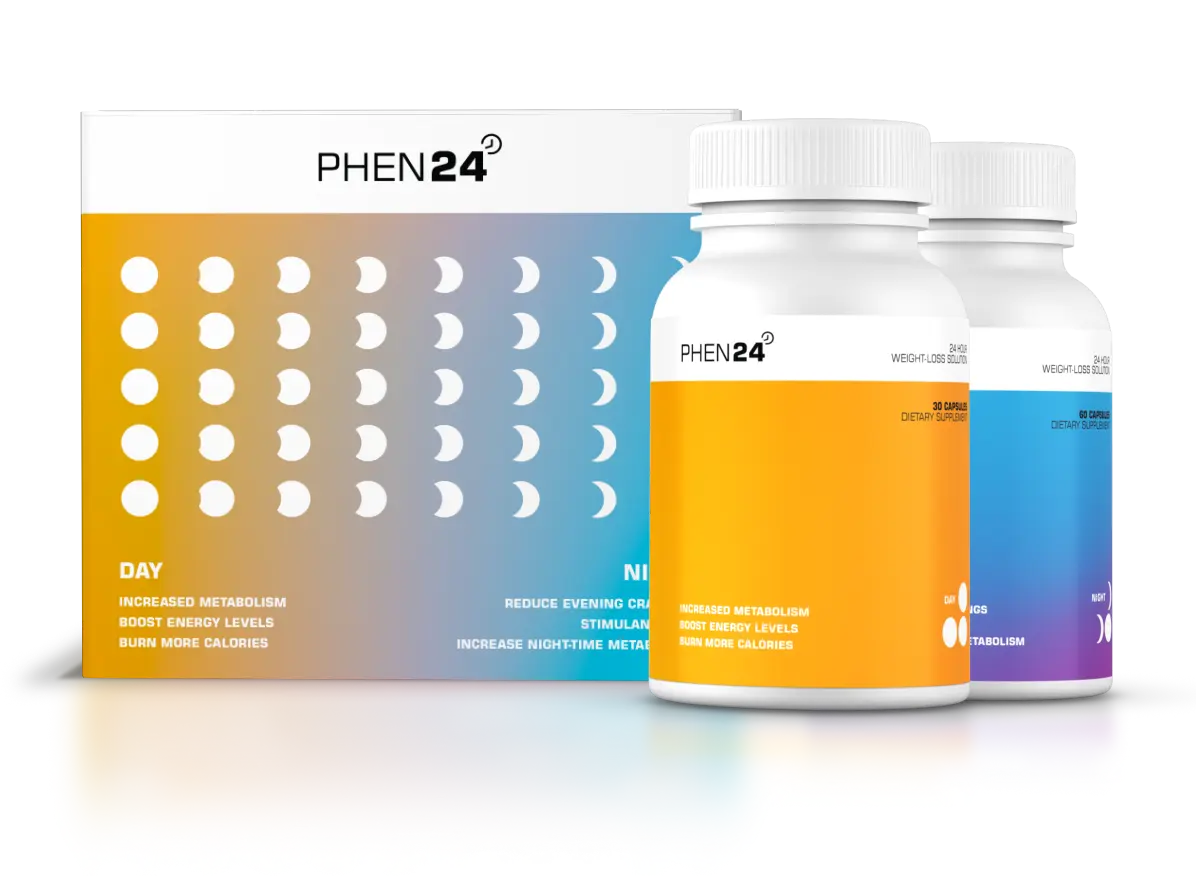
One supplement that frequently comes up in discussions around fat loss and metabolic support is Phen24 — a dual-formula product that markets itself as a 24-hour weight management system.
Unlike most fat loss supplements that offer a single daily formula, Phen24 uses two separate formulations — a daytime capsule and a nighttime capsule — targeting energy expenditure during the day and metabolic support during sleep.
The daytime formula contains caffeine, guarana extract, and cayenne powder — ingredients with modest evidence for thermogenic effects. The nighttime formula is stimulant-free and includes glucomannan, chromium picolinate, and green tea extract — aimed at appetite control and overnight metabolic support.
It is worth noting that Phen24 as a combined day-and-night system has not been independently evaluated in peer-reviewed clinical trials. Individual results vary considerably depending on diet, training, and lifestyle. As with any supplement, consult a healthcare professional before use.
2. Berberine: The “Natural Metformin” with Proven Results
Berberine has been called “nature’s Ozempic” by some researchers, and there’s solid science backing up this claim.
This bright yellow compound, extracted from plants like goldenseal and barberry, has been used in traditional Chinese medicine for thousands of years.
What’s exciting is that modern research has validated many of its traditional uses, particularly for blood sugar control and weight management.
Studies show berberine can lower blood glucose levels by 20-25%, which is comparable to some prescription diabetes medications.
It works by activating an enzyme called AMPK, often referred to as your body’s “metabolic master switch.”
When AMPK is activated, it triggers a cascade of beneficial effects—improved insulin sensitivity, increased fat burning, and reduced sugar production in the liver.
The typical dosage is 500mg taken 2-3 times daily with meals, and most people start seeing results within 2-4 weeks.
Side effects are generally mild but can include digestive upset initially, which usually resolves as your body adjusts.
3. Chromium Picolinate: Blood Sugar Stabilizer and Craving Fighter
Chromium picolinate might not be as flashy as some other alternatives, but it’s incredibly effective for specific types of weight loss challenges.
If you struggle with sugar cravings, afternoon energy crashes, or that “hangry” feeling between meals, chromium could be your secret weapon.
This essential trace mineral plays a crucial role in carbohydrate and lipid metabolism, helping your body process sugars more efficiently.
Research indicates that chromium supplementation can reduce carbohydrate cravings by up to 25% and improve insulin sensitivity significantly.
The picolinate form is the most bioavailable, meaning your body can actually use it effectively rather than just passing it through.
Most studies use doses between 200-400mcg daily, and unlike some supplements, chromium works relatively quickly—many people notice reduced cravings within the first week.
One thing I love about chromium is how subtle yet effective it is—you don’t feel jittery or overstimulated, just more balanced and in control of your food choices.
4. Green Coffee Bean Extract: Metabolism Booster with Natural Power
Green coffee bean extract has gained popularity for good reason—it contains high levels of chlorogenic acid, a compound that can significantly impact weight loss.
Unlike regular coffee beans, green coffee beans haven’t been roasted, preserving their natural chlorogenic acid content.
This compound works by inhibiting glucose absorption in the intestines and activating fat metabolism in the liver.
Studies have shown that people taking green coffee bean extract can lose 10-12% more weight than those using diet and exercise alone.
The metabolism-boosting effects are noticeable but not overwhelming—most people report feeling more energetic without the jittery side effects of excessive caffeine.
A typical dose is 400-800mg daily, taken 30 minutes before meals for optimal absorption.
5. Glucomannan: The Ultimate Satiety Enhancer
If you’re someone who struggles with portion control, glucomannan might be exactly what you need.
This natural fiber, derived from the konjac root, has an incredible ability to absorb water and expand in your stomach.
Just one gram of glucomannan can absorb up to 50 times its weight in water, creating a gel-like substance that promotes feelings of fullness.
The satiety effects are remarkable—studies show that people taking glucomannan before meals consume 25-30% fewer calories naturally.
It’s not about forcing yourself to eat less; you genuinely feel satisfied with smaller portions.
The key is taking it with plenty of water about 15-30 minutes before meals, allowing time for it to expand and work its magic.
6. Alpha-Lipoic Acid: The Cellular Energy Optimizer
Alpha-lipoic acid (ALA) is often overlooked in weight loss discussions, but it’s a powerhouse antioxidant that supports healthy metabolism at the cellular level.
ALA helps your cells utilize glucose more effectively, reducing the likelihood of excess sugar being stored as fat.
It also supports mitochondrial function—the energy powerhouses of your cells—leading to improved overall energy and metabolism.
Research suggests that ALA supplementation can lead to modest but consistent weight loss, typically 2-3 pounds more than placebo groups over 8-12 week periods.
The anti-inflammatory properties are an added bonus, as chronic inflammation can interfere with healthy weight management.
7. Bitter Melon Extract: Traditional Wisdom Meets Modern Science
Bitter melon has been used in traditional medicine systems across Asia and Africa for centuries to support healthy blood sugar levels.
Modern research has confirmed that bitter melon contains compounds that mimic insulin’s effects, helping cells absorb glucose more efficiently.
For weight loss, this translates to more stable energy levels and reduced fat storage from excess blood sugar.
The extract form is much more palatable than the whole fruit, which lives up to its “bitter” name.
Studies typically use doses of 1000-2000mg daily, divided into two or three doses with meals.
Natural GLP-1 Boosting Strategies Without Supplements
Sometimes the most powerful tools for weight management are the ones nature provides freely—no prescription or purchase required.
Your body naturally produces GLP-1, and there are several evidence-based strategies to boost this production significantly.
Protein intake is perhaps the most powerful natural GLP-1 stimulator available to you.
Studies show that consuming 25-30 grams of high-quality protein at each meal can increase GLP-1 levels by 50-60%.
Eggs, Greek yogurt, lean meats, fish, and plant-based proteins like lentils are particularly effective.
Fiber-rich foods work similarly to glucomannan supplements but come with additional nutrients and benefits.
Oats, beans, apples, and vegetables create that same stomach-filling effect while feeding beneficial gut bacteria.
These bacteria, in turn, produce compounds that stimulate GLP-1 release—it’s a beautiful symbiotic relationship.
Intermittent fasting has gained attention for its GLP-1 boosting effects, and the research is quite compelling.
Even a simple 12-hour eating window can increase GLP-1 sensitivity and production.
The 16:8 method (eating within an 8-hour window) shows even more pronounced effects in many studies.
Exercise, particularly high-intensity interval training (HIIT), can boost GLP-1 levels for hours after your workout.
Just 20-30 minutes of HIIT three times per week can significantly improve your body’s natural appetite regulation.
Resistance training also contributes by improving insulin sensitivity and muscle glucose uptake.
Comparing Effectiveness: OTC Alternatives vs. Prescription Ozempic
Let’s address the elephant in the room—how do these alternatives actually stack up against prescription Ozempic?
Honesty is crucial here because setting unrealistic expectations leads to disappointment and abandoned efforts.
Ozempic typically produces weight loss of 12-15% of body weight over 68 weeks in clinical trials.
For a 200-pound person, that’s 24-30 pounds of weight loss.
Natural alternatives, when used consistently and combined with lifestyle changes, typically produce weight loss of 5-10% over similar timeframes.
That same 200-pound person might expect to lose 10-20 pounds using the best natural alternatives.
While that might seem like a significant difference, consider the additional factors.
Ozempic costs $900-1,200 monthly without insurance, while quality natural alternatives cost $50-100 monthly.
Side effects from Ozempic can be severe—nausea, vomiting, and digestive issues affect up to 40% of users.
Natural alternatives typically have much milder side effect profiles, with digestive upset being the most common and usually temporary issue.
Accessibility is another major consideration—many people can’t get Ozempic due to supply shortages, insurance restrictions, or medical contraindications.
The timeline for results differs significantly between options.
Ozempic users often notice appetite suppression within days and significant weight loss within 4-6 weeks.
Natural alternatives require more patience—most people see initial changes within 2-4 weeks, with significant results developing over 8-12 weeks.
However, the sustainability factor often favors natural approaches.
Many Ozempic users regain weight when they discontinue the medication, while those who’ve built healthy habits with natural alternatives often maintain their results long-term.
How to Choose the Right Ozempic Alternative for Your Needs
Selecting the best alternative isn’t about finding the “strongest” option—it’s about finding what works specifically for your body, lifestyle, and goals.
Budget considerations are practical and important.
If you’re on a tight budget, starting with single ingredients like berberine or chromium picolinate can be very effective.
Comprehensive systems like PhenQ cost more upfront but often provide better value through their multi-mechanism approach.
Your specific challenges should guide your choice significantly.
If sugar cravings are your biggest obstacle, chromium picolinate or berberine should be your first consideration.
For portion control issues, glucomannan or comprehensive systems with appetite suppressants work better.
If energy and motivation are problems, look for options that include metabolic boosters or natural stimulants.
Health conditions and medications require careful consideration and professional guidance.
People with diabetes should work with their healthcare provider before adding berberine or chromium, as these can affect blood sugar significantly.
Those taking blood thinners should be cautious with green coffee bean extract due to potential interactions.
Pregnant or breastfeeding women should avoid most weight loss supplements entirely.
Combination strategies can be incredibly effective but require more careful planning.
A common effective combination is berberine (for blood sugar control) plus glucomannan (for appetite suppression) plus a basic multivitamin.
Another popular approach combines chromium picolinate with green coffee bean extract for comprehensive metabolic support.
However, always introduce one supplement at a time to assess individual tolerance and effects.
Quality markers are non-negotiable when choosing supplements.
Look for third-party testing certifications from organizations like NSF, USP, or ConsumerLab.
Avoid products with proprietary blends that don’t disclose individual ingredient amounts.
Choose manufacturers with good manufacturing practice (GMP) certifications and transparent labeling.
Red flags include unrealistic promises (“lose 30 pounds in 30 days”), lack of ingredient disclosure, and companies with poor customer service records.
Success Stories and Real User Experiences
Real stories from real people often provide more insight than clinical studies, so I’ve collected experiences from individuals who’ve successfully used these alternatives.
Jennifer, a 45-year-old teacher from Ohio, struggled with weight gain after menopause made traditional dieting ineffective.
She started with PhenQ’s round-the-clock system and lost 18 pounds over four months.
“The nighttime formula was a game-changer,” she told me.
“I finally stopped waking up at 2 AM craving ice cream.”
Her energy improved dramatically, allowing her to return to regular exercise, which accelerated her results.
David, a 38-year-old construction worker, couldn’t afford Ozempic but needed to lose weight for health reasons.
He combined berberine (500mg twice daily) with glucomannan before meals.
Over six months, he lost 25 pounds and saw his blood sugar levels normalize.
“The combination killed my appetite without making me feel sick,” he shared.
“I actually had to remind myself to eat sometimes.”
Maria, a busy mom of three, needed something simple and effective that fit her chaotic schedule.
She chose chromium picolinate and green coffee bean extract.
While her weight loss was more modest (12 pounds over five months), the improvement in energy and mood was transformative.
“I stopped having those 3 PM crashes where I needed chocolate just to function,” she explained.
Common challenges emerge from these success stories that you should prepare for.
The first 2-3 weeks often involve digestive adjustments as your body adapts to new supplements.
Starting with lower doses and gradually increasing can minimize these effects.
Plateau periods are normal and expected—weight loss rarely follows a straight line downward.
Most successful users emphasize the importance of combining supplements with basic lifestyle improvements.
You don’t need a perfect diet, but focusing on protein intake and reducing processed foods amplifies results significantly.
Regular movement, even just daily walks, makes a substantial difference in outcomes.
Realistic timeline expectations prevent early abandonment of effective strategies.
Most people notice appetite changes within 1-2 weeks.
Energy improvements typically appear within 2-4 weeks.
Visible weight loss usually becomes apparent after 4-6 weeks of consistent use.
Significant results develop over 3-6 months, not weeks.
Safety Guidelines and Potential Side Effects
Safety should always be your top priority when considering any weight loss strategy, natural or otherwise.
While over-the-counter alternatives are generally much safer than prescription medications, they’re not without potential risks and considerations.
Common side effects vary by supplement but tend to be mild and temporary.
Berberine can cause initial digestive upset including diarrhea, constipation, or stomach cramping.
Starting with 250mg twice daily and gradually increasing to the full 500mg dose helps minimize these effects.
Taking berberine with food also reduces digestive irritation significantly.
Chromium picolinate is generally well-tolerated but can occasionally cause headaches or sleep disturbances if taken too late in the day.
Green coffee bean extract contains caffeine, so sensitive individuals might experience jitters, increased heart rate, or sleep issues.
Limiting intake to morning hours and staying hydrated helps manage these effects.
Glucomannan’s main safety concern is the need for adequate water intake—insufficient fluid can cause the fiber to expand and potentially cause blockages.
Always take glucomannan with at least 8 ounces of water and drink additional water throughout the day.
Drug interactions require careful consideration and professional guidance.
Berberine can enhance the effects of diabetes medications, potentially causing blood sugar to drop too low.
It can also affect the metabolism of certain medications, including some antibiotics and heart medications.
Green coffee bean extract may interact with blood thinners and certain psychiatric medications.
Chromium can enhance insulin effects, requiring monitoring for those taking diabetes medications.
Alpha-lipoic acid can also affect blood sugar levels and may interact with thyroid medications.
Who should avoid certain alternatives depends on individual health conditions and circumstances.
Pregnant and breastfeeding women should avoid all weight loss supplements unless specifically approved by their healthcare provider.
People with eating disorders should work with mental health professionals before using appetite suppressants.
Those with severe digestive conditions like gastroparesis should avoid fiber supplements like glucomannan.
Individuals with bleeding disorders should be cautious with supplements that have blood-thinning properties.
Monitoring progress and health markers helps ensure you’re on the right track safely.
Weekly weigh-ins at the same time of day provide consistent data without daily fluctuation stress.
Monthly body measurements (waist, hips, arms) often show progress when the scale doesn’t budge.
Energy levels, sleep quality, and mood are important indicators that supplements are working positively.
Blood pressure and heart rate checks are wise if you’re using stimulant-containing supplements.
When to seek medical supervision is an important safety consideration that many people overlook.
If you’re taking any prescription medications, consult your healthcare provider before adding supplements.
People with diabetes, heart conditions, or other serious health issues should work with professionals throughout their weight loss journey.
Concerning symptoms like chest pain, severe digestive issues, or mood changes warrant immediate medical attention.
Regular check-ups become more important when using multiple supplements or making significant dietary changes.
Conclusion
Finding effective over-the-counter Ozempic alternatives doesn’t have to feel overwhelming or impossible!
While prescription GLP-1 medications remain powerful tools, several natural options can provide meaningful support for your weight loss journey at a fraction of the cost.
From berberine’s impressive blood sugar control capabilities to glucomannan’s incredible satiety effects, these alternatives offer real hope for sustainable weight management.
The key to success lies in choosing options that align with your specific challenges, budget, and lifestyle rather than searching for a one-size-fits-all solution.
Remember that the most effective approach often combines multiple strategies—quality supplements work synergistically with dietary improvements and increased physical activity.
Patience and consistency will serve you better than searching for instant results that rarely lead to lasting change.
Based on my research and the experiences of countless users, the Phen24 stands out as the best natural alternative to Ozempic.
Its comprehensive 24/7 approach addresses multiple weight loss mechanisms while remaining accessible and affordable for most people.
The combination of proven ingredients, realistic expectations, and strong user satisfaction rates makes it the top choice for those seeking an effective Ozempic alternative.
Whether you choose Phen24 or another option from this guide, you’re taking a positive step toward reclaiming control of your health and weight.
Start with the approach that resonates most with your needs and budget, monitor your progress carefully, and don’t hesitate to consult healthcare professionals when needed.
Your weight loss success story could be just around the corner—and it doesn’t have to cost $1,000 a month to write it!
Ready to take control of your health journey without the prescription price tag?
Begin with thorough research, choose quality products from reputable sources, and remember that sustainable results take time but are absolutely worth the investment in yourself.