
Best Natural Cortisol Reducers for Stressed Men
Your adrenal glands don’t care if you’re crushing it at work or dealing with traffic – they pump out cortisol like it’s 1999. This stress hormone was designed to help our ancestors outrun saber-toothed tigers, not handle endless Zoom meetings and mortgage payments.
Men’s cortisol patterns differ significantly from women’s, especially when testosterone enters the picture. When cortisol spikes chronically, it literally steals the building blocks your body needs to make testosterone – talk about a double whammy!
Understanding Stress and Cortisol
How chronic stress differs from acute stress in men
Acute stress is like doing a set of heavy deadlifts – intense but brief, with a clear recovery period. Your cortisol shoots up, handles the “threat,” then drops back down like it should.
Chronic stress is like being stuck under that barbell for months on end. Your cortisol system gets stuck in the “on” position, flooding your body with stress hormones 24/7.
This constant cortisol bath wreaks havoc on everything from your sleep cycle to your gut health. Your body starts treating normal daily activities like life-or-death situations.
Signs your cortisol levels are dangerously high
That stubborn belly fat that won’t budge despite your best efforts? Classic high cortisol calling card. You’re also dealing with cortisol belly fat when you can’t seem to lose weight around your midsection no matter what you try.
Waking up at 3 AM with racing thoughts is another red flag. High cortisol disrupts your natural sleep-wake cycle, leaving you wired when you should be recovering.
If you’re getting sick constantly or taking forever to recover from workouts, your immune system is crying for help. Chronic cortisol elevation suppresses immunity and slows muscle recovery.
The connection between cortisol, testosterone, and male vitality
Here’s where things get really interesting – and frustrating. High cortisol and testosterone have an inverse relationship that’s stronger than your morning coffee addiction.
When cortisol dominates, testosterone production plummets. We’re talking drops of 40-50% in some cases, which explains why you might feel like you’re running on empty lately.
This hormonal tug-of-war affects everything masculine – your energy, drive, muscle mass, and yes, your libido. It’s like your body is prioritizing survival over thriving.
Why traditional stress management often fails men
Most stress management advice sounds like it was written for someone with unlimited time and zero responsibilities. “Just meditate for an hour daily” – yeah, right.
Men often need practical, results-oriented approaches that fit into packed schedules. We’re solution-focused creatures who want strategies that actually move the needle.
The cookie-cutter approach ignores how male physiology responds differently to stress interventions. What works for your yoga-loving sister might not work for your high-testosterone, competitive mindset.
Top Adaptogenic Herbs That Crush Cortisol Naturally
Ashwagandha: The ultimate cortisol-fighting powerhouse for men
Ashwagandha isn’t just another trendy supplement – it’s been battle-tested for over 3,000 years. This adaptogenic herb can reduce cortisol levels by up to 30% in just 60 days, according to multiple clinical studies.
The magic happens because ashwagandha helps regulate your hypothalamic-pituitary-adrenal (HPA) axis. Think of it as a reset button for your stress response system.
For men specifically, ashwagandha offers a double benefit: it crushes cortisol while supporting healthy testosterone production. Most guys see improvements in strength, energy, and recovery within 4-6 weeks.
The sweet spot for dosing is typically 300-600mg of a standardized extract taken twice daily. Take it with food to avoid any stomach upset, and consistency is key – this isn’t a quick-fix solution.
Rhodiola rosea: Boost energy while reducing stress hormones
Rhodiola is like having a personal stress bodyguard that actually gives you more energy instead of making you drowsy. This Arctic herb has been used by Vikings and Russian cosmonauts for good reason.
What makes rhodiola special is its ability to improve your stress resilience without the crash. You’ll handle pressure better while maintaining mental clarity and physical performance.
Studies show rhodiola can reduce stress-induced fatigue by up to 50% within just two weeks. It’s particularly effective for guys dealing with work burnout or overtraining syndrome.
Start with 200-400mg of a standardized extract (3% rosavins, 1% salidroside) taken on an empty stomach in the morning. Avoid taking it too late in the day as it might interfere with sleep.
Holy basil (Tulsi): Ancient wisdom meets modern cortisol control
Holy basil isn’t your typical Italian cooking herb – it’s a sacred plant in Ayurvedic medicine with serious cortisol-crushing credentials. This adaptogen works particularly well for guys who carry stress in their gut.
The active compounds in holy basil help normalize cortisol rhythms throughout the day. You’ll notice better energy in the morning and improved relaxation in the evening.
Research shows holy basil can reduce cortisol by 17% while improving stress-related symptoms like anxiety and sleep quality. It’s especially beneficial for men with stress-induced digestive issues.
You can take holy basil as a supplement (300-600mg daily) or drink it as tea. The tea form is gentler and perfect for evening wind-down routines.
Ginseng varieties and their specific benefits for male stress
Not all ginseng is created equal, and for cortisol management, Korean red ginseng takes the crown. This variety has the strongest research backing for stress hormone regulation in men.
American ginseng is more cooling and better for guys who run hot or have anxiety alongside their stress. Siberian ginseng (technically not true ginseng) is excellent for physical stress and athletic recovery.
Korean red ginseng can improve stress resilience while boosting energy and mental performance. It’s like having a natural performance enhancer that also keeps your cortisol in check.
The typical dose ranges from 200-400mg of standardized extract daily. Start low and work up, as ginseng can be stimulating for some people.
Proper dosing and timing for maximum effectiveness
Timing matters more than most people realize when it comes to adaptogenic herbs. Your cortisol naturally peaks in the morning, so taking cortisol-reducing adaptogens then can help blunt that spike.
For most adaptogens, consistency beats timing perfection. It’s better to take your ashwagandha at the same time daily than to obsess over the “perfect” moment.
Consider cycling adaptogens every 8-12 weeks to prevent tolerance. Your body gets used to these compounds, so strategic breaks help maintain their effectiveness.
Always start with one adaptogen at a time to gauge your body’s response. Adding multiple herbs simultaneously makes it impossible to identify which ones are helping or causing issues.
Nutritional Strategies to Lower Cortisol Through Diet
Anti-inflammatory foods that naturally reduce cortisol production
Your fork is one of your most powerful tools for fighting cortisol, and it starts with choosing foods that calm inflammation rather than fuel it. Chronic inflammation and high cortisol feed off each other like a destructive feedback loop.
Dark leafy greens like spinach and kale are cortisol-fighting superstars packed with magnesium and folate. These nutrients help your nervous system chill out and support healthy stress hormone metabolism.
Fatty fish like salmon and mackerel deliver omega-3s that literally cool down inflammatory pathways. Aim for at least two servings per week, and wild-caught is worth the extra cost.
Berries are nature’s stress-busters loaded with antioxidants that protect your adrenals from oxidative damage. Blueberries, blackberries, and cherries are particularly potent for cortisol regulation.
The role of omega-3 fatty acids in stress hormone regulation
Omega-3s are like oil for your stress response system – everything runs smoother when you have enough. EPA and DHA (the active forms) directly influence cortisol production and inflammatory pathways.
Studies show men taking 2-3 grams of omega-3s daily experience significantly lower cortisol responses to stress. Your body literally handles pressure better when these fats are on board.
The typical Western diet provides a pathetic omega-3 to omega-6 ratio, often 20:1 when it should be closer to 4:1. This imbalance promotes inflammation and cortisol dysfunction.
If you’re not eating fatty fish regularly, a high-quality fish oil supplement is non-negotiable. Look for third-party tested products with at least 1000mg of combined EPA and DHA per serving.
Magnesium-rich foods every stressed man should eat daily
Magnesium is the “relaxation mineral” that most stressed men are severely lacking. This mineral is involved in over 300 enzymatic reactions, including cortisol regulation and nervous system function.
Dark chocolate (70% cacao or higher) is probably the most enjoyable way to boost magnesium intake. Just don’t use this as an excuse to demolish a whole bar – 1-2 squares daily will do.
Nuts and seeds, particularly almonds, pumpkin seeds, and brazil nuts, are magnesium powerhouses. A handful of mixed nuts makes an excellent stress-busting snack between meals.
Leafy greens, avocados, and black beans round out the magnesium all-stars. The beauty is these foods also provide other cortisol-supporting nutrients like B vitamins and potassium.
Foods to avoid that spike cortisol levels
Sugar is cortisol’s best friend and your worst enemy when it comes to stress management. That afternoon candy bar might provide temporary relief, but it sends your stress hormones on a roller coaster ride.
Refined carbs like white bread, pasta, and pastries create blood sugar spikes that trigger cortisol release. Your body treats these glucose surges like mini emergencies requiring stress hormone intervention.
Excessive caffeine, especially later in the day, can keep cortisol elevated when it should naturally decline. If you need that third cup of coffee to function, your stress hormones are probably out of whack.
Alcohol might seem relaxing, but it actually disrupts cortisol rhythms and impairs recovery. That nightcap is sabotaging your body’s natural stress hormone reset process.
Meal timing strategies for optimal hormone balance
Skipping breakfast is like starting your day with a cortisol grenade. Your stress hormones naturally peak in the morning, and adding hunger to the mix amplifies this response.
Eating protein within an hour of waking helps stabilize blood sugar and supports healthy cortisol patterns. Even something simple like Greek yogurt or eggs can make a significant difference.
Late-night eating, especially carbs, can disrupt your natural cortisol decline. Your body should be winding down for recovery, not dealing with digestion and blood sugar management.
Consider intermittent fasting carefully if you’re dealing with chronic stress. While IF has benefits, it can be an additional stressor for guys with already elevated cortisol levels.
Exercise Protocols That Lower Cortisol (Not Raise It)
Why high-intensity workouts might be sabotaging your cortisol levels
Here’s a reality check that might hurt: that daily CrossFit session could be making your stress worse, not better. High-intensity exercise is a stressor, and if you’re already maxed out, it’s like throwing gasoline on a fire.
Your body can’t distinguish between the stress of a brutal workout and the stress of a brutal deadline. Both trigger cortisol release, and if you’re chronically stressed, you might not be recovering between sessions.
This doesn’t mean you should become a couch potato, but it does mean being smarter about training intensity. More isn’t always better when your stress bucket is already overflowing.
The key is finding that sweet spot where exercise reduces stress rather than adding to it. This requires honest self-assessment and possibly dialing back the intensity temporarily.
The best types of exercise for cortisol reduction in men
Walking is criminally underrated for stress management and cortisol regulation. A 30-minute walk, especially in nature, can reduce cortisol levels more effectively than an intense gym session.
Yoga might seem “too easy,” but it’s incredibly effective for stressed men. The combination of movement, breathing, and mindfulness directly counters cortisol production.
Swimming provides excellent low-impact cardiovascular benefits without the joint stress of running. The rhythmic breathing and full-body movement are naturally calming for most guys.
Moderate strength training (not pushing to failure every set) can actually help regulate cortisol when programmed correctly. Focus on compound movements with adequate rest between sets.
Strength training strategies that support healthy stress response
Lift heavy, but not maximally, and prioritize form over ego. Training at 70-80% of your max allows you to build strength without overwhelming your recovery systems.
Keep workouts to 45-60 minutes maximum. After an hour, cortisol starts climbing significantly, especially if you’re already dealing with chronic stress.
Focus on compound movements like squats, deadlifts, and presses that give you the most bang for your buck. These exercises provide excellent stimulus without requiring excessive volume.
Program deload weeks every 4-6 weeks where you reduce intensity and volume. Your body needs these recovery periods to reset stress hormone levels and prevent overtraining.
Recovery techniques that maximize cortisol-lowering benefits
The magic happens between workouts, not during them. Your recovery protocols might be more important than your training protocols for cortisol management.
Active recovery like light walking or gentle stretching keeps blood flowing without adding stress. This helps clear metabolic waste and supports the parasympathetic nervous system.
Post-workout nutrition timing matters for cortisol control. Getting protein and carbs within 30-60 minutes helps blunt the exercise-induced cortisol response.
Sleep is when your body does most of its repair work and cortisol regulation. Poor recovery sleep can negate all the positive effects of your training program.
Creating a workout schedule that works with your stress levels
Learn to read your body’s stress signals and adjust accordingly. Heart rate variability, sleep quality, and morning energy levels are all clues about your recovery status.
On high-stress days, opt for lighter activities like walking or gentle yoga. Pushing through with intense training when you’re already stressed is counterproductive.
Schedule your hardest workouts when stress is lowest, typically earlier in the week for most people. Save easier sessions for when work and life pressures peak.
Consider seasonal adjustments to your training. Winter, tax season, or busy work periods might require temporarily reducing exercise intensity to manage total stress load.
Sleep Optimization for Natural Cortisol Reset
The cortisol-sleep cycle connection every man needs to understand
Your cortisol and sleep hormones dance together in a delicate rhythm that modern life loves to disrupt. When this dance gets out of sync, both your stress levels and sleep quality suffer dramatically.
Cortisol should naturally peak around 8 AM to get you moving, then gradually decline throughout the day. By bedtime, it should be at its lowest point, allowing melatonin to take over and prepare you for rest.
Chronic stress throws this rhythm completely off track. You end up wired at night when cortisol should be low, and exhausted in the morning when it should be high.
The good news is that fixing your sleep can reset your cortisol rhythm, and managing cortisol can dramatically improve your sleep quality. It’s a positive feedback loop that works in your favor once you get it rolling.
Evening routines that naturally lower nighttime cortisol
Your evening routine starts earlier than you think – ideally 2-3 hours before bed. This gives your cortisol time to decline naturally instead of fighting an uphill battle at bedtime.
Blue light from screens is cortisol’s sneaky accomplice, tricking your brain into thinking it’s still daytime. Use blue light blocking glasses or apps after sunset, or better yet, put the devices away entirely.
A warm shower or bath 60-90 minutes before bed helps trigger the natural temperature drop that signals bedtime. The contrast between warm water and cool air mimics your body’s natural rhythm.
Gentle activities like reading, light stretching, or journaling help transition your nervous system from “go mode” to “rest mode.” Avoid anything stimulating like intense conversations or work emails.
Morning practices to regulate healthy cortisol awakening response
Your morning routine sets the tone for your entire cortisol rhythm. Getting this right can improve your energy, mood, and stress resilience throughout the day.
Natural sunlight within 30 minutes of waking helps calibrate your circadian rhythm. Even 5-10 minutes outside can make a significant difference in cortisol regulation.
Avoid immediately checking your phone or diving into work emails. This stress download first thing in the morning can spike cortisol before you’ve even gotten started.
A protein-rich breakfast within an hour of waking supports stable blood sugar and healthy cortisol patterns. Skip the sugary cereal and opt for eggs, Greek yogurt, or a protein smoothie.
Bedroom environment optimization for stress hormone balance
Your bedroom should be a cortisol-free zone – cool, dark, and quiet. Think of it as creating an environment where stress hormones can’t thrive.
Temperature matters more than most guys realize. Your bedroom should be 65-68°F for optimal sleep and cortisol regulation. Cooler is generally better than warmer.
Blackout curtains or an eye mask eliminate light pollution that can interfere with melatonin production. Even small amounts of light can disrupt your hormone balance.
Remove work materials, exercise equipment, and anything else that reminds you of stress from your bedroom. This space should be associated only with rest and relaxation.
Sleep supplements that support cortisol regulation
Magnesium glycinate is the gold standard for sleep and stress support. This form is highly absorbable and has a calming effect on the nervous system without morning grogginess.
L-theanine, found in green tea, promotes relaxation without sedation. It helps reduce cortisol while supporting the production of calming neurotransmitters like GABA.
Melatonin can be helpful, but timing and dosage matter. Lower doses (0.5-3mg) taken 30-60 minutes before desired bedtime work better than high doses.
Ashwagandha taken in the evening can help reduce nighttime cortisol and improve sleep quality. This is particularly effective for guys whose minds race at bedtime.
Breathing Techniques and Meditation for Instant Cortisol Relief
Box breathing: The Navy SEAL technique for rapid stress reduction
Navy SEALs use box breathing because it works when your life depends on staying calm under pressure. This technique can drop your cortisol levels in just a few minutes by activating your parasympathetic nervous system.
The pattern is simple: inhale for 4 counts, hold for 4, exhale for 4, hold empty for 4. Repeat this cycle 10-20 times whenever you feel stress building.
What makes box breathing so effective is that it forces your mind to focus on something other than stressful thoughts. The counting gives your anxious brain a job that interrupts the stress spiral.
You can do this anywhere – in your car before a meeting, at your desk between tasks, or in bed when your mind won’t shut off. No special equipment required, just your breath.
Wim Hof method and cold exposure benefits for cortisol control
The Wim Hof method combines specific breathing techniques with cold exposure to build stress resilience. This isn’t just new-age nonsense – there’s solid science behind why controlled stress can reduce chronic stress.
The breathing technique involves 30 deep breaths followed by breath retention. This temporarily stresses your system in a controlled way, building your capacity to handle real-world stressors.
Cold exposure, whether through cold showers or ice baths, provides hormetic stress that strengthens your stress response system. Think of it as strength training for your nervous system.
Start slowly with 30 seconds of cold water at the end of your shower. Work up to 2-3 minutes as your tolerance builds – the cortisol-regulating benefits are dose-dependent.
Mindfulness practices designed specifically for busy men
Traditional meditation advice often doesn’t work for busy, goal-oriented guys. You don’t need to sit in lotus position for an hour – micro-meditations can be incredibly effective for cortisol management.
The “traffic light meditation” uses red lights as mindfulness cues. Every time you stop at a red light, take three deep breaths and notice what’s happening in your body right now.
Walking meditation combines movement with mindfulness, which appeals to many men more than sitting still. Focus on the sensation of your feet hitting the ground with each step.
The “3-3-3 technique” is perfect for acute stress: name 3 things you can see, 3 sounds you can hear, and move 3 parts of your body. This grounds you in the present moment instantly.
Progressive muscle relaxation techniques for cortisol management
Progressive muscle relaxation (PMR) involves systematically tensing and releasing muscle groups throughout your body. This technique is particularly effective for guys who carry stress physically.
Start at your toes and work up to your head, tensing each muscle group for 5 seconds then releasing completely. The contrast between tension and relaxation helps your body learn what true relaxation feels like.
PMR is excellent for bedtime routines because it helps release physical tension accumulated throughout the day. Many guys find they fall asleep before completing the full sequence.
The technique works because it gives your mind something concrete to focus on while simultaneously releasing physical stress. It’s meditation in action for people who struggle with traditional sitting practices.
Quick 5-minute stress busters for the workplace
The “physiological sigh” is the fastest way to calm your nervous system. Take a normal inhale, then a second smaller inhale on top of it, followed by a long, slow exhale through your mouth.
Desk-based neck and shoulder rolls can release tension and activate the parasympathetic nervous system. Focus on slow, deliberate movements while breathing deeply.
The “4-7-8 breath” is perfect for conference calls or meetings: inhale for 4, hold for 7, exhale for 8. The long exhale activates your body’s relaxation response almost immediately.
Gratitude breathing combines mindfulness with positive psychology. With each inhale, think of something you’re grateful for. With each exhale, release a stress or worry from the day.
Lifestyle Modifications That Create Long-Term Cortisol Balance
Time management strategies that reduce chronic stress triggers
Most guys try to manage time when they should be managing energy and attention instead. Your cortisol levels care more about how overwhelmed you feel than how busy your calendar looks.
The “two-minute rule” prevents small tasks from becoming stress-inducing mountains. If something takes less than two minutes, do it immediately rather than letting it join your mental task list.
Time blocking is superior to traditional to-do lists for cortisol management. When you know exactly when you’ll handle something, your brain can stop reminding you about it every five minutes.
Building buffer time between appointments prevents the constant rush that keeps cortisol elevated. Even 15-minute gaps can make the difference between feeling frazzled and feeling in control.
Setting boundaries to protect your stress hormone health
Boundary setting isn’t selfish – it’s essential for hormonal health. Chronic people-pleasing and overcommitment are direct pathways to elevated cortisol and burnout.
Learn to say “Let me check my calendar and get back to you” instead of immediately agreeing to requests. This simple phrase buys you time to make conscious decisions rather than stress-driven ones.
Technology boundaries are non-negotiable in our hyperconnected world. Set specific times for checking email and social media rather than being constantly available for digital stress delivery.
Physical boundaries matter too – create spaces in your home and office that are stress-free zones. These sanctuary spaces give your nervous system permission to downregulate.
The importance of social connections in cortisol regulation
Strong social connections are like a buffer against life’s stressors. Guys with solid friendships and family relationships show measurably lower cortisol levels than isolated men.
Quality trumps quantity when it comes to stress-protective relationships. One or two close friends who truly get you are more valuable than dozens of surface-level connections.
Regular face-to-face interaction is crucial – texting and social media don’t provide the same cortisol-lowering benefits as in-person connection. Schedule regular coffee dates or activities with people you care about.
Don’t underestimate the power of shared activities. Playing sports, working on projects together, or even just watching games provides connection while engaging in naturally stress-reducing activities.
Hobby and leisure activities that naturally lower stress hormones
Hobbies aren’t luxuries – they’re essential for cortisol regulation. Activities that engage your hands and mind simultaneously are particularly effective at reducing stress hormones.
Working with your hands, whether it’s woodworking, gardening, or even cooking, provides a natural antidote to screen-based stress. These activities engage different parts of your brain and nervous system.
Creative pursuits like music, art, or writing activate the parasympathetic nervous system and provide healthy outlets for emotional processing. You don’t need to be good at them – the benefit comes from the engagement.
Nature-based activities are cortisol-crushing superstars. Hiking, fishing, camping, or even just working in your yard provide natural stress relief that gyms can’t replicate.
Creating a cortisol-conscious daily routine
Your daily routine either supports healthy cortisol rhythms or works against them. Small, consistent practices compound into significant hormonal improvements over time.
Morning sunlight exposure, even for 10 minutes, helps set your circadian rhythm and supports healthy cortisol awakening response. This single practice can improve your entire day’s hormone balance.
Regular meal timing supports stable blood sugar and cortisol patterns. Your body thrives on predictability, and erratic eating patterns are a chronic stressor that many guys overlook.
Evening wind-down routines signal to your body that it’s time to shift into recovery mode. Consistency matters more than perfection – even 15 minutes of routine can make a significant difference.
Natural Supplements Beyond Herbs for Cortisol Support
Phosphatidylserine: The brain nutrient that blocks cortisol spikes
Phosphatidylserine (PS) is like a bodyguard for your brain cells, protecting them from cortisol damage while helping regulate stress hormone production. This phospholipid is found in high concentrations in brain tissue for good reason.
Clinical studies show PS can reduce cortisol levels by up to 39% in response to stress. It’s particularly effective for guys dealing with exercise-induced cortisol elevation or chronic work stress.
The typical dose is 100-200mg taken with food, preferably in the evening. PS works best when taken consistently over 4-6 weeks, so don’t expect overnight miracles.
Quality matters with PS supplements – look for products derived from sunflower lecithin rather than soy, and choose brands that third-party test for purity and potency.
L-theanine and GABA for calm, focused energy
L-theanine provides what many stressed men desperately need: relaxed alertness without drowsiness. This amino acid, found naturally in green tea, promotes alpha brain waves associated with calm focus.
Unlike prescription anxiety medications, L-theanine doesn’t impair cognitive function or cause dependency. You get the stress-reducing benefits while maintaining mental clarity and performance.
GABA is your brain’s primary inhibitory neurotransmitter, essentially serving as nature’s chill pill. Supplemental GABA can help quiet an overactive mind and reduce cortisol-driven anxiety.
The sweet spot for L-theanine is 200-400mg daily, while GABA is typically effective at 500-750mg. Both can be taken with or without food and pair well together for enhanced effects.
Vitamin D and B-complex for stress resilience
Vitamin D deficiency is epidemic among men, and low levels are directly linked to elevated cortisol and poor stress resilience. This hormone-like vitamin plays crucial roles in mood regulation and stress response.
Most guys need 2000-4000 IU of vitamin D3 daily, but getting your blood levels tested is the gold standard. Aim for levels between 40-60 ng/mL for optimal cortisol regulation.
B-complex vitamins are rapidly depleted during periods of chronic stress, creating a vicious cycle of increasing stress sensitivity. These vitamins are essential cofactors in neurotransmitter production and energy metabolism.
Look for a high-quality B-complex with active forms like methylcobalamin (B12) and methylfolate. Take it with your morning meal to support energy production throughout the day.
Probiotics and gut health connection to cortisol levels
Your gut produces more neurotransmitters than your brain, making gut health crucial for cortisol regulation. The gut-brain axis is a bidirectional highway where stress affects digestion and gut health affects stress levels.
Specific probiotic strains like Lactobacillus helveticus and Bifidobacterium longum have been shown to reduce cortisol and improve stress resilience. Not all probiotics are created equal for stress management.
Chronic stress damages the gut lining and disrupts the microbiome, creating inflammation that further elevates cortisol. Healing your gut can break this cycle and restore healthy stress hormone patterns.
In addition to probiotics, consider prebiotic fibers that feed beneficial bacteria. Foods like garlic, onions, and asparagus, or supplemental inulin, support a healthy microbiome ecosystem.
Supplement timing and stacking for maximum benefit
Timing your supplements can significantly impact their effectiveness for cortisol management. Morning supplements should support energy and stress resilience, while evening supplements should promote relaxation and recovery.
Take adaptogenic herbs like ashwagandha with breakfast to help manage daily stress. Evening supplements like magnesium and L-theanine should be taken 1-2 hours before bed for optimal sleep support.
Start with one supplement at a time and assess its effects before adding others. This approach helps you identify which supplements provide the most benefit for your specific situation.
Consider cycling certain supplements, especially adaptogens, every 8-12 weeks. This prevents tolerance and maintains their effectiveness over the long term.
CortiSync from PrimeGenix: A Comprehensive Natural Cortisol Solution
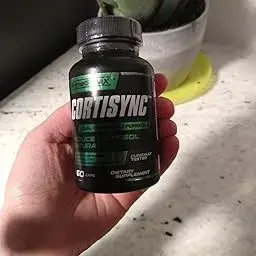
When it comes to natural cortisol reduction, CortiSync from PrimeGenix stands out as one of the most comprehensive and scientifically-formulated supplements available for men. This isn’t just another stress supplement thrown together with random ingredients – it’s a carefully crafted formula designed specifically to address the unique cortisol challenges that modern men face.
The Science Behind CortiSync’s Formula
CortiSync contains a synergistic blend of clinically-researched ingredients that work together to regulate cortisol production and support healthy stress response. The formula includes ashwagandha extract (standardized to 7% withanolides), holy basil leaf extract, lemon balm, and passionflower – each chosen for their specific cortisol-modulating properties.
What sets CortiSync apart is its inclusion of sensoril ashwagandha, which has been clinically proven to reduce cortisol levels by up to 27.9% in just 60 days. This particular extract is standardized to ensure consistent potency and effectiveness, unlike many generic ashwagandha supplements that vary wildly in their active compound content.
Why Men Choose CortiSync Over Individual Supplements
The beauty of CortiSync lies in its comprehensive approach to cortisol management. Rather than taking multiple separate supplements and hoping they work well together, you get a professionally formulated blend that addresses multiple pathways of stress hormone production.
Many men report noticeable improvements in energy levels, sleep quality, and stress resilience within 2-4 weeks of consistent use. The formula is designed to work with your body’s natural rhythms rather than against them, supporting healthy cortisol patterns without causing drowsiness or cognitive impairment.
Dosage and Usage for Optimal Results
The recommended dosage for CortiSync is two capsules daily, preferably taken with breakfast to support healthy cortisol awakening response throughout the day. This timing helps optimize the formula’s stress-protective benefits during your most challenging daily activities.
For best results, consistency is key. Like most natural cortisol supplements, CortiSync works best when taken daily for at least 8-12 weeks. Many users find that the benefits compound over time, with the most significant improvements in stress resilience and energy levels occurring after 6-8 weeks of regular use.
Quality and Safety Standards
PrimeGenix manufactures CortiSync in FDA-registered facilities following strict GMP guidelines. Each batch undergoes third-party testing for purity, potency, and safety, ensuring you get exactly what’s listed on the label without harmful contaminants.
The formula is free from common allergens, artificial fillers, and unnecessary additives. For men concerned about hormonal health, it’s particularly noteworthy that CortiSync doesn’t contain any ingredients that interfere with testosterone production – in fact, by reducing cortisol, it may actually support healthier testosterone levels.
While CortiSync represents an excellent all-in-one solution for cortisol management, it works best as part of a comprehensive approach that includes proper sleep, nutrition, and stress management techniques.
Check out my complete and detailed Cortisync Review by clicking here.
Warning Signs and When to Seek Professional Help
Red flags that indicate dangerously high cortisol levels
Severe insomnia that doesn’t respond to normal sleep hygiene measures could signal cortisol dysfunction. We’re talking about lying awake for hours despite being exhausted, or waking up multiple times with racing thoughts.
Unexplained weight gain, particularly around your midsection, combined with difficulty losing weight despite proper diet and exercise often indicates chronic cortisol elevation. This isn’t just being a little soft – it’s significant belly fat that seems immune to your best efforts.
Frequent infections or injuries that take forever to heal suggest your immune system is compromised by chronic stress hormones. If you’re getting sick monthly or minor cuts take weeks to heal, your cortisol might be suppressing immune function.
Blood pressure readings consistently above 140/90, especially if you’ve never had hypertension before, warrant immediate medical attention. Chronic cortisol elevation can cause dangerous cardiovascular changes.
How to work with healthcare providers on natural approaches
Bring data, not just symptoms, to your healthcare appointments. Track your sleep patterns, energy levels, and stress triggers for at least two weeks before your visit to provide concrete information.
Request specific cortisol testing – a single morning blood test isn’t sufficient. Four-point salivary cortisol testing throughout the day provides a much better picture of your cortisol rhythm.
Be upfront about your preference for natural approaches while remaining open to medical intervention if necessary. Most physicians appreciate patients who are proactive about their health and educated about their options.
Don’t present natural methods as alternatives to medical care – position them as complementary approaches that can work alongside conventional treatment when appropriate.
Testing options to monitor your cortisol reduction progress
Salivary cortisol testing is the gold standard for monitoring your progress with natural cortisol reduction. This test measures free cortisol (the active form) at four different times throughout the day.
Home testing kits make it easy to track your progress without multiple doctor visits. Companies like ZRT Laboratory and Dutch Test offer comprehensive hormone panels that include cortisol rhythm analysis.
Heart rate variability (HRV) monitoring provides real-time feedback on your stress recovery. Devices like Oura rings or chest strap monitors can show how well your nervous system is adapting to stress over time.
Keep a simple stress and energy journal alongside any testing. Rate your energy levels, sleep quality, and stress on a 1-10 scale daily – this subjective data often correlates strongly with objective test results.
Combining natural methods with medical treatment when necessary
Sometimes natural approaches need medical backup, and there’s no shame in that game. Severe cortisol dysfunction, particularly Cushing’s syndrome or Addison’s disease, requires immediate medical intervention.
Work with healthcare providers who understand both conventional and integrative approaches. Functional medicine doctors or naturopathic physicians often have the best training in combining natural and medical treatments safely.
Certain medications can interfere with natural cortisol reduction efforts. Blood pressure medications, antidepressants, and steroids all affect stress hormone balance and may require dosage adjustments as you improve.
Don’t stop prescribed medications without medical supervision, even if you’re feeling better with natural approaches. Gradual reduction under professional guidance is always safer than going cold turkey.
Building a support team for long-term stress management
Chronic stress affects every aspect of your life, so your support team should be multidisciplinary. This might include your primary care physician, a therapist or counselor, and perhaps a nutritionist or health coach.
Mental health support is crucial for long-term cortisol management. Chronic stress often has psychological components that supplements and lifestyle changes alone can’t address completely.
Consider working with a health coach who specializes in men’s stress management. These professionals can help you implement and maintain the lifestyle changes necessary for sustained cortisol balance.
Don’t underestimate the importance of family and friend support. The people closest to you can provide accountability and encouragement when motivation wanes, which it inevitably will during your cortisol management journey.
Regular check-ins with your support team help prevent backsliding and catch problems before they become major setbacks. Schedule quarterly reviews to assess progress and adjust strategies as needed.
Your cortisol management journey isn’t a sprint – it’s a marathon that requires consistent effort and professional guidance. Building a strong support network early makes the difference between short-term improvements and lasting transformation.
The investment in professional help often pays dividends in terms of faster results and fewer setbacks. Think of it as hiring experts to help you reclaim your health and vitality – it’s one of the best investments you can make in yourself.