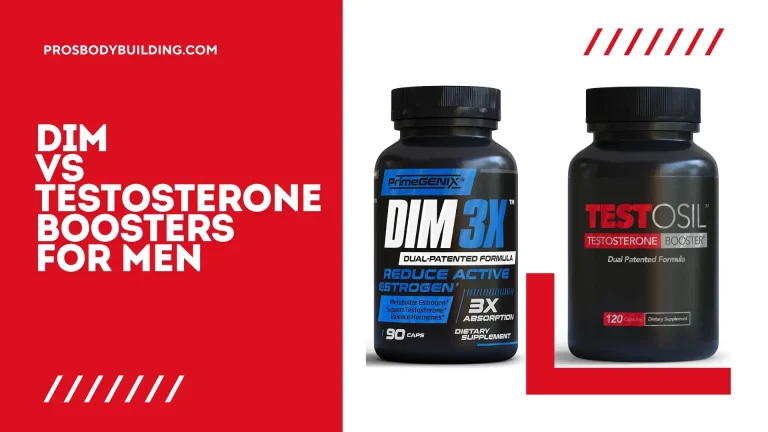
Natural Hormone Balance for Men: How DIM, Diet, and Lifestyle Work Together
Here’s a stat that should stop you mid-scroll: testosterone levels in American men have been declining by approximately 1% every year since the 1980s. That’s not ageing. That’s a systemic hormonal crisis hiding in plain sight.

Most men feel it before they understand it. The energy that used to be there in the morning — gone. The belly fat that wasn’t there at 35 — suddenly permanent at 42. The drive, the clarity, the motivation — quietly fading, year by year.
Here’s what nobody tells you: testosterone doesn’t just disappear. It gets converted, suppressed, and blocked — by estrogen imbalance, rising cortisol, poor diet, and a lifestyle that was never designed with male hormones in mind.
The good news? You can push back. Not with synthetic hormones or expensive prescriptions — but with a targeted combination of DIM, intelligent dietary choices, and specific lifestyle interventions that work with your biology instead of against it.
This article is different from anything else you’ve read about DIM. We’re not just covering what DIM does in isolation. We’re showing you the complete picture — how food, movement, sleep, stress, and targeted supplementation work together as a single integrated system for restoring male hormonal health.
Why Hormone Balance Matters More Than Testosterone Alone
Most men think low testosterone is the whole problem. It isn’t.
Hormone Balance at a Glance — The Three Variables Every Man Needs to Understand
Testosterone, estrogen, and cortisol — what each does, what disrupts it, and what restores it
| Hormone | What it does | Symptoms when disrupted | Primary disruptors | What restores it |
|---|---|---|---|---|
| Testosterone | Drives muscle growth, libido, energy, mood, fat metabolism, and cognitive drive in men | Low energy, belly fat, poor gym recovery, reduced libido, brain fog, mood instability | Aromatase conversion Elevated cortisol Poor sleep Zinc deficiency | DIM 3X Resistance training Zinc Vitamin D3 Quality sleep |
| Estradiol (Estrogen) | Supports bone density, cardiovascular health, and cognitive function — but causes harm in excess in men | Stubborn belly fat, water retention, gynecomastia tendencies, reduced libido, emotional flatness | Excess body fat Alcohol Xenoestrogens Ultra-processed foods | DIM 3X (Phase I) Calcium D-Glucarate Cruciferous veg Reducing body fat |
| Cortisol | Short-term stress hormone — essential in acute bursts, catastrophic when chronically elevated in men | Persistent fatigue, poor sleep, anxiety, low testosterone, belly fat accumulation, poor recovery | Chronic stress Sleep deprivation Overtraining Digital overstimulation | CortiSync KSM-66 Ashwagandha Magnesium glycinate Daily downregulation |
| SHBG (Sex Hormone-Binding Globulin) | Binds testosterone in the bloodstream — making it biologically inactive and unavailable to tissues | Low free testosterone symptoms despite normal total testosterone — fatigue, low libido, poor muscle response | Ageing Low zinc High estrogen Liver dysfunction | Boron 3–6mg Zinc DIM 3X Resistance training |
The real issue is the ratio — specifically, the balance between testosterone and estrogen in the male body. When that ratio shifts in the wrong direction, everything suffers.
As men age past 35, an enzyme called aromatase becomes increasingly active. It converts testosterone directly into estradiol — the primary female sex hormone — inside adipose (fat) tissue, the liver, and the skin.
The more body fat a man carries, the more aromatase activity he has. The more aromatase activity, the more testosterone converts to estrogen. The more estrogen, the more fat storage — and the cycle compounds itself year after year.
This is what the medical community calls estrogen dominance in men. It’s more common than most doctors acknowledge — and most men experiencing it have never been told it exists.
The symptoms are specific and recognisable. Stubborn belly fat that won’t respond to diet or training. Reduced libido. Brain fog and poor concentration. Low energy that sleep doesn’t fix. Reduced muscle mass despite consistent gym work. Mood instability, irritability, and a general flatness that’s hard to articulate.
These aren’t personality traits or inevitable ageing. They’re hormonal signals.
Then there’s cortisol — the third variable that most hormone guides ignore entirely. Cortisol is produced by the adrenal glands in response to stress. In short bursts, it’s essential. Chronically elevated, it’s catastrophic for male hormone health.
Cortisol and testosterone operate on a biological seesaw. When cortisol rises — from work pressure, poor sleep, financial stress, relationship strain — testosterone falls. The suppression happens at the hypothalamic-pituitary axis, the hormonal command centre that drives the entire testosterone production chain.
This is why restoring hormone balance for men requires a three-pronged approach. Testosterone production needs to be supported. Estrogen metabolism needs to be redirected. Cortisol needs to be managed.
Address only one and the other two continue to undermine your results. Address all three simultaneously — through DIM, diet, lifestyle, and targeted supplementation — and the hormonal shift is meaningful, sustainable, and genuinely life-changing.
What DIM Actually Does in the Male Body
DIM stands for Diindolylmethane. It’s a compound your body produces naturally when it breaks down indole-3-carbinol — a substance found in cruciferous vegetables like broccoli, cauliflower, kale, and Brussels sprouts.
The problem is quantity. To reach a therapeutic dose of DIM through food alone, you’d need to eat over two pounds of broccoli every single day. That’s not realistic — which is why a concentrated supplement is necessary.
Once DIM enters the body, it works primarily in the liver. It influences a family of enzymes called cytochrome P450 — specifically CYP1A1 and CYP1A2 — to redirect how estrogen is metabolised.
Here’s what that means in plain language. Estrogen doesn’t just float around in the body unchanged. The liver converts it into different metabolites — some beneficial, some harmful. The two main pathways are 2-hydroxyestrone (2-OH) and 16-alpha-hydroxyestrone (16-OH).
The 2-OH pathway produces weaker, protective estrogen metabolites associated with better body composition, prostate health, and cardiovascular protection. The 16-OH pathway produces stronger, more harmful metabolites linked to fat storage, inflammation, and increased cancer risk.
DIM shifts the balance decisively toward 2-OH. This is its primary mechanism — and it’s why DIM is categorically different from simply “blocking” estrogen.
DIM also functions as a mild natural aromatase modulator. It gently slows the rate at which testosterone converts to estradiol — without the risk of crashing estrogen to dangerously low levels, which is the primary hazard of pharmaceutical aromatase inhibitors.
This distinction matters enormously. Men need some estrogen — for bone density, cardiovascular health, cognitive function, and even libido. DIM optimises estrogen rather than eliminating it. That’s a fundamentally safer and more physiologically appropriate approach.
There’s one critical issue with DIM that most supplement labels don’t address honestly. Raw DIM has notoriously poor bioavailability. In its crystalline form, it’s fat-soluble and requires specific carriers to cross intestinal membranes in meaningful quantities. An underdosed or poorly formulated DIM supplement — regardless of price — may deliver almost nothing to your bloodstream.
This is why PrimeGenix DIM 3X is our recommended natural DIM support for this protocol.
It contains 200mg of DIM per serving — the dose used in human clinical research trials, not the 50–75mg found in most generic formulas. It includes BioPerine® — the patented piperine extract clinically shown to improve nutrient absorption by up to 60%. It also includes AstraGin® — a patented gut absorption enhancer that supports intestinal nutrient uptake and microbiome health simultaneously.
Additionally, DIM 3X provides Vitamin E at 134% of the daily value — which supports testosterone production through the pituitary-gonadal axis, adding a complementary hormonal benefit to DIM’s estrogen-modulating action.
It’s manufactured in FDA-registered, cGMP-certified facilities in the USA. No gluten, soy, sugar, dairy, or artificial additives. And it comes with a 67-day money-back guarantee — the most confident assurance in the DIM supplement market.
As for timelines, here’s what men typically experience. In weeks one and two, improved energy and mood are most commonly reported — driven largely by DIM’s early cortisol-adjacent effects and the ashwagandha in any accompanying stack. By weeks three and four, gym recovery improves and libido begins to shift. By months two and three, body composition changes become visible, mental clarity returns, and the cumulative hormonal rebalancing reaches its most impactful stage.
Give it at least 8–12 weeks before drawing conclusions. Hormonal change is gradual — but it is real, and it compounds over time.
The Hormone-Balancing Diet — What to Eat and What to Cut
Food isn’t just fuel. For men concerned with hormone balance, food is literally hormonal raw material.
Every testosterone molecule your body produces is synthesised from cholesterol. Every liver enzyme processing your estrogen metabolites requires specific micronutrients to function. Every inflammatory pathway that drives aromatase activity is either amplified or suppressed by what you eat every day.
Diet isn’t optional in this protocol. It’s foundational.
The Hormone-Balancing Foods Guide
What to eat more of, what to cut — and exactly why each food matters for male hormone health
| Food | Key nutrient / compound | Hormonal benefit | Practical action |
|---|---|---|---|
| Eat more — hormone-supportive foods | |||
| Broccoli, cauliflower, Brussels sprouts, kale | Indole-3-carbinol | Natural DIM precursor — supports the same estrogen metabolism pathway as DIM supplementation | One serving daily, lightly steamed for optimal I3C bioavailability |
| Oysters, red meat, pumpkin seeds | Zinc | Critical cofactor for testosterone synthesis — also independently inhibits aromatase enzyme activity | Zinc-rich foods 3–4 times per week — or supplement with 30–40mg zinc before bed |
| Eggs, avocado, olive oil, fatty fish, grass-fed beef | Healthy fats / cholesterol | Testosterone is synthesised from cholesterol — dietary fat is the essential raw material for steroid hormone production | Include healthy fats at every meal — never go chronically low-fat while optimising hormones |
| Pomegranate juice and extract | Ellagic acid / polyphenols | Supports testosterone levels and mild aromatase modulation — also supports nitric oxide and blood flow | Pomegranate juice (unsweetened) or extract supplement — 3–4 times per week |
| Garlic (raw or lightly cooked) | Allicin | Linked to increased testosterone production, reduced cortisol, and improved cardiovascular health markers | One to two cloves daily — raw is more potent; lightly sautéed preserves most active compounds |
| Green tea | EGCG catechins | Blocks testosterone breakdown via DHT pathway — also supports fat metabolism and aromatase modulation | Two to three cups daily or EGCG supplement (400mg) — avoid with meals to maximise absorption |
| Fatty fish (salmon, mackerel, sardines) | Omega-3 EPA/DHA | Reduces systemic inflammation — a primary driver of aromatase activity. Also supports insulin sensitivity and cortisol management | Two to three servings per week — or supplement with 2–3g combined EPA/DHA daily |
| Cut back or eliminate — hormone-disrupting foods | |||
| Alcohol (beer, wine, spirits) | Ethanol / congeners | Directly estrogenic — inhibits liver estrogen clearance enzymes, raises estradiol, increases aromatase activity, and devastates REM sleep quality | Eliminate on weekdays — reduce to one to two units maximum at weekends if desired |
| Ultra-processed foods, seed oils (canola, sunflower, vegetable) | Omega-6 / trans fats | Drive systemic inflammation — the primary upstream activator of aromatase enzyme activity in adipose tissue | Replace with olive oil, butter, coconut oil, and tallow for all cooking |
| Refined carbohydrates and high-sugar foods | Glucose / fructose spikes | Chronically elevated insulin directly suppresses testosterone production while increasing fat storage and aromatase activity | Replace refined carbs with sweet potato, oats, rice, and whole fruit — prioritise protein and fat at each meal |
| High-dose soy isoflavone supplements | Phytoestrogens | At therapeutic supplement doses, soy isoflavones bind estrogen receptors and stimulate estrogenic pathways — working against DIM’s mechanism | Avoid concentrated soy protein isolates and high-dose soy isoflavone supplements while on a DIM protocol |
What to eat more of:
Cruciferous vegetables are the most directly relevant foods for DIM and estrogen metabolism. Broccoli, cauliflower, Brussels sprouts, cabbage, kale, and bok choy all contain indole-3-carbinol — the precursor compound your body converts to DIM.
Eating them daily doesn’t replace a DIM supplement at therapeutic doses, but it reinforces the same metabolic pathway. Aim for at least one serving daily, lightly steamed rather than raw for optimal bioavailability.
Zinc-rich foods are non-negotiable for testosterone. Zinc is a direct cofactor in testosterone synthesis — the body cannot produce testosterone without adequate zinc — and it independently inhibits aromatase activity.
Oysters contain more zinc per serving than any other food. Red meat, pumpkin seeds, hemp seeds, and cashews are strong secondary sources. Most American men are zinc-deficient without knowing it.
Correcting that deficiency alone has been shown to produce measurable testosterone improvement.
Healthy fats are where most low-fat diet devotees silently undermine their hormone levels. Testosterone is a steroid hormone synthesised from cholesterol.
Dietary fat — specifically saturated fat from quality animal sources and monounsaturated fat from olive oil and avocado — provides the substrate for that synthesis. Men on chronically low-fat diets consistently show lower testosterone.
Eggs, fatty fish, avocado, olive oil, full-fat dairy from quality sources, and grass-fed beef all belong on a hormone-supportive plate.
Pomegranate has genuine clinical evidence behind it. Studies show pomegranate juice and extract support testosterone levels and exhibit aromatase-modulating properties.
The polyphenol compounds — particularly ellagic acid — also support nitric oxide production and blood flow, with meaningful downstream benefits for libido and cardiovascular health.
Garlic is one of the most underrated foods for male hormone health. Allicin — garlic’s active sulphur compound — has been linked to increased testosterone production, reduced cortisol, and improved cardiovascular markers.
It’s not a dramatic effect in isolation, but daily garlic consumption is a consistent contributor to the overall dietary picture.
What to reduce or eliminate:
Alcohol is the most significant dietary threat to male hormone balance. It’s directly estrogenic — alcohol metabolism in the liver inhibits the same enzyme pathways DIM is trying to activate.
It raises estradiol. It increases aromatase activity in adipose tissue. It suppresses testosterone production acutely and chronically. And it devastates sleep quality — which, as we cover below, is where 70% of daily testosterone is released.
Even moderate regular alcohol consumption meaningfully undermines every other element of this protocol.
Ultra-processed foods and industrial seed oils — vegetable oil, canola oil, sunflower oil — promote systemic inflammation through their omega-6 fatty acid profile.
Systemic inflammation is a primary upstream driver of aromatase activity. Reducing processed food intake reduces the inflammatory burden that feeds the aromatase cycle.
High-sugar foods and refined carbohydrates spike insulin — and chronically elevated insulin directly suppresses testosterone production while increasing fat storage, which increases aromatase activity.
The connection between metabolic health and hormone balance is direct and bidirectional.
High-dose soy isoflavone supplements — not moderate whole-food soy consumption — can stimulate estrogenic pathways at therapeutic doses due to their phytoestrogenic content.
This works directly against DIM’s mechanism. Avoid concentrated soy protein isolates and high-dose soy isoflavone supplements while on a DIM protocol.
A practical hormone-supportive day looks like this:
Breakfast: Three eggs cooked in butter or olive oil, with a side of sautéed broccoli and garlic. Black coffee or green tea.
Lunch: Grass-fed beef or salmon with a large mixed salad dressed with olive oil, pumpkin seeds, and avocado.
Dinner: Chicken thighs or red meat with roasted Brussels sprouts or cauliflower, sweet potato, and olive oil.
Snacks: Hard-boiled eggs, a handful of pumpkin seeds or cashews, or full-fat Greek yoghurt.
Drink: Filtered water throughout the day. Green tea in the afternoon. No alcohol on weekdays — reduced to one to two units maximum on weekends if desired.
This isn’t a radical elimination diet. It’s a targeted dietary framework that consistently provides the nutrients male hormone balance depends on — while removing the inputs that undermine it.
Exercise and Hormone Balance — What the Research Actually Says
Exercise is one of the most powerful natural testosterone signals available to men. But the type, intensity, and volume of training matters enormously — and getting it wrong can actively suppress testosterone rather than support it.
What works:
Heavy compound resistance training is the single most potent natural testosterone stimulus available without a prescription. Squats, deadlifts, bench press, bent-over rows, overhead press, and pull-ups recruit large amounts of muscle mass simultaneously — creating the systemic anabolic demand that drives testosterone and growth hormone release.
The research is consistent: heavy multi-joint movements produce significantly greater hormonal responses than isolation exercises. Men who prioritise compound movements over machine-based isolation work get more hormonal return per training hour.
Progressive overload — gradually increasing the weight, volume, or density of your training over time — is what sustains the hormonal stimulus.
The body adapts quickly. A training programme that doesn’t progressively challenge the system stops producing a meaningful hormonal signal within weeks.
HIIT (High-Intensity Interval Training) produces a strong acute testosterone response while keeping training sessions short enough to avoid the cortisol elevation associated with prolonged exercise.
Sprint intervals, kettlebell circuits, assault bike intervals, and similar formats deliver a powerful anabolic signal in 20–30 minutes. One to two HIIT sessions per week alongside resistance training is the optimal combination for most men.
Sprinting — true maximal effort sprinting for 10–30 seconds — is one of the most potent natural anabolic signals in human physiology.
It’s underutilised by most men over 35, partly because it requires more recovery than they budget for. But even one to two short sprint sessions per week produces measurable hormonal benefits.
What doesn’t work — and actively hurts:
Chronic endurance cardio — long-distance running, extended cycling, marathon training — consistently elevates cortisol over time and suppresses testosterone.
This is not a theoretical concern. Studies of endurance athletes consistently show lower testosterone and higher cortisol than age-matched resistance-trained men.
If you enjoy distance running, that’s a legitimate choice — just understand the hormonal trade-off and compensate with adequate recovery, nutrition, and supplementation.
Overtraining without recovery is one of the fastest routes to hormonal suppression. Training creates a catabolic (breakdown) stimulus.
Testosterone rises during and immediately after training — but the actual anabolic adaptation occurs during recovery.
Men who train six or seven days per week without adequate rest are chronically elevating cortisol while never allowing the testosterone-producing recovery adaptation to take place.
A sedentary lifestyle allows visceral fat to accumulate unchecked — and visceral fat is the primary site of aromatase activity in the male body.
The less muscle mass a man maintains, the lower his resting metabolic rate, the more fat he carries, and the more testosterone he converts to estrogen. Movement isn’t optional for hormone balance — even outside the gym.
Daily walking, standing desks, and avoiding prolonged sitting all contribute to the metabolic environment that DIM and dietary interventions depend on.
The optimal weekly training structure for hormone balance looks like this:
Monday: Heavy lower body compound training (squats, Romanian deadlifts, lunges).
Tuesday: Rest or light walking.
Wednesday: Heavy upper body compound training (bench press, rows, overhead press).
Thursday: HIIT — 20–25 minutes of sprint intervals or kettlebell circuits.
Friday: Full body compound training — moderate weight, higher volume.
Saturday: Active recovery — walking, swimming, mobility work.
Sunday: Full rest.
This structure provides three to four resistance training sessions, one to two HIIT sessions, and two recovery days. It’s enough hormonal stimulus to drive meaningful testosterone production without the cortisol-elevating overtraining that undermines it.
How does exercise interact with DIM specifically?
Training creates a demand for testosterone — for muscle protein synthesis, recovery, and adaptation.
DIM helps preserve more of what the body produces by reducing its conversion to estradiol. The combination is additive: exercise drives testosterone production up, DIM prevents it from being converted away.
Men who combine DIM 3X with a structured resistance training programme consistently report faster and more significant body composition and performance improvements than either intervention alone.
Sleep — The Most Underestimated Hormone Lever
Most men optimising their hormones focus intensely on supplements and training while quietly destroying their results with six hours of broken sleep. It’s the most common self-sabotage in male hormone health — and one of the most impactful things to fix.
Here’s the physiology. Approximately 70% of daily testosterone is released during sleep — specifically during slow-wave (deep) sleep and REM sleep stages.
The pulsatile release of luteinising hormone (LH) during these stages is what drives overnight testosterone production. Disrupt the sleep architecture and you disrupt the testosterone signal.
The numbers are stark. A landmark study published in JAMA found that one week of restricting healthy young men to five hours of sleep per night reduced their daytime testosterone levels by 10–15%. One week. These weren’t men with pre-existing hormonal problems — these were healthy young men in a controlled research setting.
For men over 35 who are already experiencing testosterone decline, sleep deprivation accelerates that decline significantly.
The cortisol-sleep-testosterone cycle is particularly vicious. Poor sleep raises cortisol. Elevated cortisol suppresses testosterone production at the HPA axis.
Low testosterone worsens sleep quality — specifically by reducing slow-wave sleep duration. Worse sleep raises cortisol further. The cycle is self-perpetuating and, without intervention, self-worsening.
Practical sleep optimisation for hormone balance:
7–9 hours is the non-negotiable floor. Not a target for optimal performance — a minimum for maintaining testosterone production. Men who consistently sleep fewer than seven hours without recovery periods are chronically suppressing their hormonal output regardless of what else they do.
Consistent sleep and wake times are more important than most men realise. The body’s circadian rhythm governs the timing of LH pulses and testosterone release.
Irregular sleep schedules — late nights on weekends, shifting wake times — disrupt the circadian architecture that testosterone production depends on.
Keeping your wake time consistent every day, including weekends, is one of the single most impactful sleep interventions available.
Sleep environment temperature directly affects sleep architecture. The body’s core temperature needs to drop by approximately 1–2°C to initiate and maintain deep sleep.
A bedroom temperature of 65–68°F (18–20°C) is the research-supported sweet spot. Many men sleep in rooms that are several degrees too warm, chronically compromising deep sleep quality without realising it.
Light exposure affects melatonin production and circadian timing. Bright overhead lighting and screen use in the 60–90 minutes before bed suppresses melatonin and delays sleep onset.
A simple shift to dim, warm lighting after 9pm and removing screens from the bedroom produces measurable improvements in sleep quality for most men within days.
Alcohol as a sleep disruptor is widely misunderstood. Many men use alcohol to fall asleep — and it does accelerate sleep onset. But it significantly fragments sleep architecture in the second half of the night, suppressing REM sleep and increasing early-morning waking.
The net effect is less restorative sleep and, consequently, lower overnight testosterone production. This is another reason alcohol reduction is non-negotiable in this protocol.
Magnesium glycinate (300–400mg, 30–60 minutes before bed) is the most evidence-supported natural sleep supplement for men concerned with hormone balance.
Magnesium deficiency — which affects approximately 48% of American men — is directly associated with reduced sleep quality and elevated cortisol.
The glycinate form is the most bioavailable and the gentlest on the digestive system. It also supports the liver detoxification pathways that DIM depends on, making it doubly relevant to this protocol.
How does sleep connect to DIM?
DIM works through liver enzyme activity — specifically the cytochrome P450 enzyme system that processes estrogen metabolites.
Liver detoxification is most efficient during overnight rest, when metabolic demands are low and repair processes are prioritised.
Men who take DIM 3X consistently but sleep poorly are undermining the very physiological process DIM depends on.
Quality sleep doesn’t just support testosterone — it maximises the return on every other element of this protocol.
Stress, Cortisol, and the Hormone Balance Equation
Stress is the variable that makes everything else harder.
And for most men living in modern America — with demanding careers, financial pressure, digital overstimulation, and inadequate recovery built into daily life — cortisol is running chronically elevated in the background, quietly dismantling hormonal health year after year.
Understanding why starts with the HPA axis. The hypothalamic-pituitary-adrenal axis is the body’s stress response system.
When the brain perceives a threat — physical, psychological, or even imagined — the hypothalamus signals the pituitary, which signals the adrenal glands to release cortisol.
In short bursts, this is adaptive and necessary. In chronic low-grade activation — the kind that modern life produces — it’s catastrophic for male hormone health.
Cortisol suppresses the pituitary’s release of luteinising hormone (LH). Without adequate LH signalling, the testes reduce testosterone production.
Additionally, cortisol directly inhibits the Leydig cells in the testes — the cells responsible for producing testosterone. The suppression happens from multiple angles simultaneously.
The cortisol-testosterone seesaw is one of the most reliably documented relationships in endocrinology. They are biologically opposed. When one chronically rises, the other chronically falls.
What cortisol management looks like in practice:
Structured daily downregulation is not optional for men under significant stress — it’s as important as training. Even 10 minutes of slow, controlled nasal breathing (4 seconds in, 6 seconds out) activates the parasympathetic nervous system and produces measurable cortisol reduction.
Walking in natural environments — trees, parks, open spaces — has been shown in multiple studies to reduce cortisol more effectively than urban walking at the same pace.
Box breathing, progressive muscle relaxation, and brief meditation all activate the same parasympathetic pathway. The specific method matters less than the daily consistency.
Phosphatidylserine (PS, 300mg) is one of the most evidence-backed natural cortisol modulators available.
It works by blunting the cortisol response to both physical stress (exercise-induced cortisol) and psychological stress. It operates through a different mechanism than ashwagandha, making the two compounds additive when combined.
A 2008 study published in the Journal of the International Society of Sports Nutrition showed significant cortisol reduction in men taking phosphatidylserine following exercise stress.
KSM-66® Ashwagandha is the most clinically researched adaptogen for cortisol reduction in men.
A landmark double-blind, placebo-controlled trial published in the Indian Journal of Psychological Medicine demonstrated that KSM-66 reduced serum cortisol by up to 27.9% with consistent daily use.
That’s not a marginal effect — that’s a clinically meaningful reduction in the primary hormonal antagonist of testosterone.
This is where PrimeGenix CortiSync becomes directly relevant to this protocol. CortiSync contains KSM-66 Ashwagandha alongside six additional evidence-backed adaptogens — Holy Basil, Rhodiola, L-Theanine, Lemon Balm, Magnolia, and Lichi — in a formula specifically designed to reduce adrenal cortisol output in men without sedation or stimulants.
For men where stress is the primary driver of hormonal disruption, adding CortiSync to a DIM 3X protocol addresses both sides of the hormonal equation simultaneously.
Digital boundary-setting is unglamorous but genuinely important. The constant availability demanded by smartphones, email, and social media creates a chronic low-grade stress response that most men have simply normalised.
Notifications create cortisol micro-spikes throughout the day. Doomscrolling before bed elevates cortisol at precisely the moment it should be falling for overnight testosterone production.
Practical boundaries — no phone after 9pm, notification-free work blocks, no social media first thing in the morning — produce measurable improvements in subjective stress and, over time, hormonal markers.
Social connection and purposeful activity are independent predictors of cortisol regulation in men. Loneliness, social isolation, and a sense of meaninglessness all elevate baseline cortisol — an effect that has been documented in peer-reviewed research and has become increasingly relevant in the context of what researchers are calling a male loneliness epidemic.
This isn’t a soft lifestyle suggestion. It’s a physiological reality that affects hormone levels as directly as any supplement.
How do DIM and cortisol management work together?
DIM and cortisol management address the same hormonal problem from opposite ends. DIM modulates the estrogen side — redirecting harmful metabolites and slowing aromatase conversion. Cortisol management — through ashwagandha, phosphatidylserine, lifestyle boundaries, and structured recovery — removes the suppressive pressure on testosterone production at the pituitary level.
Without cortisol management, DIM is fighting a battle on one front while the other front remains unaddressed. Together, they close the loop — protecting testosterone from both the estrogen that converts it and the cortisol that suppresses it.
Environmental Estrogens — The Hidden Hormonal Threat
You can eat perfectly, train consistently, sleep well, and manage stress — and still be undermining your hormone balance through daily environmental exposure. This is the variable most men never consider.
Xenoestrogens are synthetic chemical compounds that mimic estrogen in the body. They bind to estrogen receptors, activate estrogenic pathways, and add to the total estrogenic burden that your liver — and DIM — has to process and clear. The more xenoestrogen exposure, the higher the total estrogen load, and the harder DIM and your body’s natural detoxification systems have to work.
The primary sources for American men are more pervasive than most people realise.
BPA (bisphenol A) and phthalates are found in the linings of canned foods, plastic food containers, plastic water bottles, receipt paper, and food packaging.
BPA is a well-documented endocrine disruptor — it binds to estrogen receptors with measurable affinity and has been consistently associated with reduced testosterone and altered sperm quality in research populations.
Even products labelled “BPA-free” frequently contain structurally similar compounds (BPS, BPF) with comparable estrogenic activity.
Pesticide residues on conventionally grown produce contain compounds — particularly organophosphates and certain fungicides — with demonstrated estrogenic or anti-androgenic activity.
The Environmental Working Group’s annual Dirty Dozen list identifies the conventionally grown fruits and vegetables with the highest pesticide residue loads.
Strawberries, spinach, peaches, apples, grapes, and bell peppers consistently appear at the top. Choosing organic versions of these specific items, even if you buy conventional produce otherwise, meaningfully reduces pesticide exposure.
Synthetic fragrances in personal care products — shampoo, body wash, deodorant, aftershave, cologne — typically contain phthalates as fragrance stabilisers.
Phthalates are among the most extensively researched endocrine disruptors, with multiple studies documenting their association with reduced testosterone in men. “Fragrance” on an ingredient label is a legal umbrella for dozens of undisclosed chemical compounds, many of which have estrogenic activity.
Transitioning to fragrance-free or naturally scented personal care products is one of the highest-impact environmental changes available.
Tap water in most American cities contains trace levels of pharmaceutical estrogens — primarily from excreted oral contraceptives and hormone replacement medications that municipal water treatment systems are not designed to remove. Atrazine — one of the most widely used agricultural herbicides in the US — is a well-documented endocrine disruptor found in tap water supplies across the Midwest. A quality water filter addresses both concerns.
Non-stick cookware coated with PTFE (Teflon) or containing PFAS compounds (per- and polyfluoroalkyl substances) releases endocrine-disrupting chemicals when heated — particularly when scratched or overheated. PFAS compounds have been associated with reduced testosterone and thyroid disruption in epidemiological research.
Practical reduction strategies:
Switch to glass or stainless steel water bottles and food storage containers. This single change removes one of the most consistent daily BPA exposure sources immediately.
Install a reverse osmosis or activated carbon water filter at your kitchen tap. This removes pharmaceutical estrogens, atrazine, and the majority of other chemical contaminants from your drinking and cooking water.
Prioritise organic versions of the EWG Dirty Dozen produce items. Buying organic across the board is expensive and often impractical — but being selective about the highest-pesticide items is both affordable and meaningful.
Transition personal care products to fragrance-free or naturally scented alternatives. This doesn’t require a dramatic overhaul — replace items one by one as they run out.
Switch from non-stick to cast iron, stainless steel, or carbon steel cookware. Cast iron in particular has no synthetic coating, improves with use, and contributes trace dietary iron — a secondary nutritional benefit.
How does xenoestrogen reduction amplify DIM’s effectiveness?
Think of DIM as a drain and xenoestrogen exposure as water flowing into a sink. DIM improves drainage — it processes estrogen metabolites more efficiently and redirects them to safer pathways. But if the tap is running too fast, even an improved drain can be overwhelmed. Reducing xenoestrogen exposure slows the input, giving DIM a proportionally greater impact on the total estrogenic picture. The two interventions are multiplicative rather than simply additive.
Environmental Estrogen Sources — Exposure Risk and Practical Fixes
The xenoestrogens in daily American life — what they are, how much they matter, and exactly what to do about them
| Source | Compound | Risk level | Practical fix |
|---|---|---|---|
| Plastic water bottles, food containers, can linings | BPA, BPS, phthalates | High |
Switch to glass or stainless steel water
bottles and food storage immediately —
the single highest-impact environmental
swap available
Never microwave food in plastic containers
— heat dramatically accelerates BPA
leaching
|
| Conventionally grown produce — especially Dirty Dozen items | Organophosphates, fungicides | High |
Prioritise organic for EWG Dirty Dozen:
strawberries, spinach, peaches, apples,
grapes, bell peppers, cherries, blueberries,
green beans, kale
Clean Fifteen items (avocado, onions, corn)
are lower priority and fine to buy
conventional
|
| Personal care products — shampoo, deodorant, aftershave, cologne | Phthalates, parabens, synthetic fragrance | High |
Replace with fragrance-free or naturally
scented alternatives — transition one
product at a time as items run out
Check ingredient labels: avoid anything
listing “fragrance,” “parfum,”
methylparaben, propylparaben, or phthalate
|
| Tap water — most American municipal supplies | Pharmaceutical estrogens, atrazine | Moderate |
Install a reverse osmosis filter at the
kitchen tap — removes pharmaceutical
estrogens, atrazine, heavy metals,
and fluoride
Activated carbon filters (Brita-style)
reduce some compounds but are less
comprehensive than reverse osmosis
|
| Non-stick cookware (Teflon, PFAS-coated) | PFAS, PTFE compounds | Moderate |
Switch to cast iron, carbon steel, or
stainless steel — cast iron improves with
use and contributes trace dietary iron
as a bonus
Particularly important to replace non-stick
pans that are scratched or regularly heated
above medium-high temperature
|
| Receipt paper, thermal paper | BPA (high concentration coating) | Lower |
Opt for digital receipts where possible —
BPA concentration on thermal paper is
significantly higher than in food packaging
Wash hands after handling receipts,
especially before eating
|
| Scented candles, air fresheners, synthetic home fragrance | Phthalates, VOCs | Lower |
Replace with beeswax or soy candles
scented with pure essential oils
Open windows for ventilation rather than
using synthetic air fresheners
|
Putting It All Together — Your Integrated Hormone Balance Protocol
Everything covered above is individually valuable. But the power of this protocol comes from running all elements simultaneously — because testosterone, estrogen, and cortisol are interdependent systems that can’t be meaningfully optimised in isolation.
The Complete Integrated Hormone Balance Protocol
All six pillars — exact actions, daily timing, and expected results timeline
| Pillar | Exact actions | Daily timing | What it addresses | Results timeline |
|---|---|---|---|---|
| Supplementation | PrimeGenix DIM 3X (200mg daily). Add CortiSync if stress is a primary driver. Add Zinc 30–40mg, Magnesium Glycinate 300–400mg, Vitamin D3 5,000 IU with K2 100–200mcg | DIM 3X with largest meal. CortiSync with any meal. Zinc and Magnesium before bed. D3/K2 with a fat-containing meal | Estrogen metabolism Cortisol Testosterone support Absorption | Energy and mood: weeks 1–2. Libido: weeks 3–6. Body composition: weeks 6–12 |
| Training | 3–4 compound resistance sessions per week. 1–2 HIIT sessions maximum. At least 2 full recovery days. Progressive overload every week | Resistance training Mon/Wed/Fri. HIIT Thursday. Active recovery Saturday. Full rest Sunday | Testosterone production Reduces visceral fat Reduces aromatase | Strength: weeks 2–4. Body composition: weeks 6–12. Hormonal markers: weeks 8–12 |
| Nutrition | Cruciferous veg daily. Zinc-rich foods 3–4x week. Healthy fats every meal. 0.8–1g protein per lb bodyweight. Eliminate alcohol, seed oils, processed foods, refined carbs | Structure meals around protein and fat. Cruciferous veg with lunch or dinner. No alcohol on weekdays | Testosterone raw material DIM precursors Reduces aromatase drivers Liver enzyme support | Energy: weeks 1–2. Insulin sensitivity: weeks 2–4. Body composition: weeks 6–12 |
| Sleep | 7–9 hours nightly. Consistent wake time 7 days. Bedroom at 65–68°F. No screens 60 min before bed. Magnesium glycinate before bed. No alcohol within 3 hours of sleep | Same wake time daily. Screens off by 9–9:30pm. Magnesium 30–60 min before bed. Bedroom cool and dark | 70% of daily T production Cortisol recovery Liver detox efficiency HPA axis recovery | Sleep quality: days 3–7. Energy: weeks 1–2. Hormonal markers: weeks 4–8 |
| Stress management | 10 min daily downregulation (breathing, walking in nature, meditation). Digital boundaries — no phone after 9pm. Phosphatidylserine 300mg if stress is high. Social connection as priority | Downregulation morning or evening. Digital cutoff 9pm. PS with breakfast. Walk in nature on rest days | Cortisol reduction Removes T suppressor HPA axis regulation Sleep quality | Subjective stress: weeks 1–3. Cortisol markers: weeks 3–6. Testosterone impact: weeks 4–8 |
| Environment | Glass/stainless steel water and food containers. Reverse osmosis water filter. Organic Dirty Dozen produce. Fragrance-free personal care. Cast iron or stainless cookware | One-time changes — implement progressively over 2–4 weeks as items are replaced | Reduces xenoestrogen load Less estrogen for DIM to process Multiplies DIM effectiveness | Xenoestrogen reduction: immediate. Hormonal impact: cumulative over 4–12 weeks |
The bottom line: No single pillar produces the full result. The power comes from all six running simultaneously — each element amplifying every other. Commit to the complete protocol for a genuine 12 weeks before evaluating where you are. The cumulative hormonal shift is qualitatively different from anything a single intervention can achieve alone.
Here’s what the complete integrated protocol looks like in practice.
Supplementation:
Take PrimeGenix DIM 3X daily — one serving with your largest meal for optimal fat-soluble absorption. The 200mg clinical dose with BioPerine® and AstraGin® ensures the DIM actually reaches your bloodstream in therapeutically meaningful quantities, which most generic formulas cannot guarantee.
If stress is a significant driver of your symptoms — poor sleep, persistent fatigue, difficulty managing pressure, mood instability — add PrimeGenix CortiSync alongside DIM 3X. The two products address hormone balance from opposite ends without any ingredient redundancy. DIM 3X handles estrogen metabolism; CortiSync handles cortisol and adrenal function. Together they form the most targeted two-product natural hormonal protocol available for men in 2026.
Add Zinc (30–40mg) before bed — away from calcium which competes for absorption. Add Magnesium Glycinate (300–400mg) 30–60 minutes before bed for sleep quality, cortisol reduction, and liver function support. Add Vitamin D3 (5,000 IU) with K2 (100–200mcg) with a fat-containing meal.
Training:
Three to four resistance training sessions per week built around compound movements. One to two HIIT sessions maximum. At least two full rest or active recovery days. Progress loading over time — the hormonal stimulus requires progressive challenge to remain effective.
Nutrition:
Cruciferous vegetables at least once daily. Zinc-rich foods three to four times per week. Healthy fats at every meal. Protein at 0.8–1g per pound of bodyweight daily to support muscle retention and recovery. Alcohol reduced to an absolute minimum. Ultra-processed foods, seed oils, and high-sugar foods minimised or eliminated.
Sleep:
Seven to nine hours every night. Consistent wake time seven days a week. Bedroom temperature at 65–68°F. No screens in the final hour before bed. Dim, warm lighting after 9pm. No alcohol within three hours of sleep.
Stress management:
Ten minutes of structured downregulation daily — breathing work, walking in nature, or brief meditation. Digital boundaries — notification-free periods during the day and a hard stop on screens before bed. Social connection and purposeful activity as non-negotiable priorities, not optional extras.
Environmental:
Glass or stainless steel water and food containers. Filtered drinking water. Organic Dirty Dozen produce where budget allows. Fragrance-free or naturally scented personal care products. Cast iron or stainless steel cookware.
What changes first, and what takes longer:
Most men notice improvements in energy and morning motivation within the first two weeks. Sleep quality improves relatively quickly when magnesium, cortisol management, and sleep hygiene interventions are implemented together. Libido improvements typically emerge between weeks three and six. Body composition changes — visible fat loss and improved muscle definition — typically develop between weeks six and twelve. Mental clarity, sustained motivation, and mood stability tend to compound gradually over the full three-month period.
The men who get the most from this protocol are the ones who commit to all elements simultaneously and give it a genuine 12 weeks before evaluating results. Hormonal rebalancing is not a two-week experiment. It’s a sustained biological intervention — and the cumulative effect of doing everything right, consistently, over three months is qualitatively different from anything a single supplement or dietary change alone can produce.
How PrimeGenix DIM 3X Fits Into This Protocol
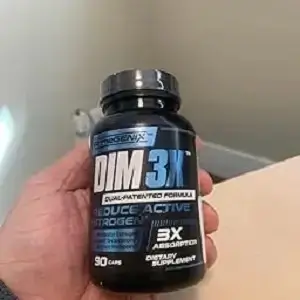
With so many DIM supplements available, the formula you choose determines whether your protocol actually works. This is not a trivial distinction.
The single most important variable is bioavailability — specifically, how much of the DIM in the capsule actually reaches your bloodstream in a usable form. Raw crystalline DIM has poor absorption. A 200mg dose of poorly absorbed DIM may deliver less active compound to your system than a well-formulated 100mg dose. The difference between a clinical-grade formula and a generic one is not marketing — it’s biochemistry.
PrimeGenix DIM 3X is built around three specific bioavailability solutions that most DIM supplements don’t include.
BioPerine® is a patented piperine extract standardised to 95% piperine — the active compound in black pepper responsible for dramatically improving nutrient absorption. Clinical studies show BioPerine® improves the bioavailability of co-administered nutrients by up to 60%. In the context of a fat-soluble compound like DIM that already faces absorption challenges, this is a significant multiplier on effective dose delivery.
AstraGin® is a patented combination of Panax Notoginseng and Astragalus membranaceus extracts that supports intestinal absorption at the cellular level. It upregulates specific nutrient transport proteins in the gut lining — increasing the amount of active DIM (and other nutrients) that crosses from the intestinal space into circulation. It also independently supports microbiome health, which is relevant given the role gut bacteria play in Phase II estrogen detoxification.
Vitamin E at 134% of the daily value provides a complementary hormonal benefit. Vitamin E is involved in the pituitary-gonadal signalling axis — specifically in supporting the sensitivity of Leydig cells (the testicular cells responsible for testosterone production) to LH stimulation. In a protocol designed to support testosterone from multiple angles, this is a meaningful addition rather than a token ingredient.
On value and cost-effectiveness:
A generic DIM supplement at 50mg without absorption support costs less per capsule. But at a fraction of the effective dose with no absorption enhancement, the actual cost per effective milligram of DIM delivered to your bloodstream is often higher than a well-formulated clinical-dose product. This is a case where buying the cheaper product consistently costs more in practice.
The 67-day money-back guarantee is genuinely important in the context of this protocol. The meaningful hormonal changes from DIM supplementation develop over 8–12 weeks. A 30-day guarantee — standard in the supplement industry — doesn’t cover the evaluation window where results actually become visible. DIM 3X’s 67-day guarantee does. It’s the only risk-free evaluation window long enough to actually assess whether the product is working.
Recommended protocol: Take DIM 3X with your largest meal of the day. Fat-soluble absorption is improved in the presence of dietary fat — a meal containing healthy fats maximises the absorption of both DIM and Vitamin E simultaneously. Consistency every day is non-negotiable. Missing doses interrupts the cumulative metabolic shift that DIM’s mechanism depends on.
DIM Bioavailability — Generic Formula vs DIM 3X
Why the formula you choose determines how much DIM actually reaches your bloodstream
❌ Generic DIM Supplement
Raw crystalline DIM — 50–100mg, no absorption support
What’s inside
✅ PrimeGenix DIM 3X
Clinical dose with triple absorption system
What’s inside
Dose difference
DIM 3X delivers 2–4x more DIM per capsule than most generic formulas before absorption is even considered
Absorption difference
BioPerine® + AstraGin® improve absorption by up to 60% — turning a fat-soluble bioavailability problem into an advantage
Cost per effective mg
Generic appears cheaper but delivers 10–20x less active DIM per dollar. DIM 3X is significantly more cost-effective on a per-effective-dose basis
FAQs
Can I restore hormone balance naturally without going on TRT?
Yes — for most men with declining but not clinically deficient testosterone, the combination of DIM, targeted nutrition, resistance training, sleep optimisation, and stress management produces meaningful hormonal improvement without prescription intervention.
How long does DIM take to work when combined with diet and lifestyle changes?
Most men notice early energy and mood improvements within 2–3 weeks, with more significant changes in body composition, libido, and mental clarity developing over 8–12 weeks of consistent daily use.
Does diet really make a difference to hormone balance, or is supplementation enough?
Diet is not optional — cruciferous vegetables, zinc-rich foods, and healthy fats provide the hormonal raw material that supplementation amplifies but cannot replace.
Is it safe to combine DIM with ashwagandha and other natural supplements?
Yes — DIM and ashwagandha work through completely different hormonal pathways and complement each other without overlap or known interaction at standard doses.
Conclusion
Restoring natural hormone balance isn’t about finding a single magic bullet. It never was.
It’s about understanding that testosterone, estrogen, and cortisol are interdependent — and that meaningfully shifting the hormonal picture requires addressing all three simultaneously. DIM redirects the estrogen. Diet provides the raw material. Training drives testosterone production. Sleep is where 70% of that testosterone is actually released. Stress management removes the cortisol that suppresses it. Environmental awareness reduces the external estrogenic load working against everything else.
Every element in this protocol amplifies every other. That’s not a marketing claim — it’s physiology.
Start where you are. You don’t need to implement every element on day one. Begin with PrimeGenix DIM 3X daily with food. Add two to three resistance training sessions per week. Protect your sleep as non-negotiable. Take the alcohol question seriously. Drink filtered water.
Then build from there, week by week, and give it a genuine 12 weeks before you evaluate where you are.
For most men who do this consistently, the results — in energy, body composition, libido, mental clarity, and overall quality of life — are the most significant improvement they’ve experienced in years. Not because any one thing transformed everything, but because everything working together produced something no single intervention could have achieved alone.
👉 Get PrimeGenix DIM 3X from the Official Website — 67-Day Money-Back Guarantee
👉 Get PrimeGenix CortiSync — Free DIM 3X with Every Purchase
References and Further Reading
- Travison TG, et al. — A population-level decline in serum testosterone levels in American men. Journal of Clinical Endocrinology and Metabolism, 2007; 92(1):196–202 PubMed →
- Leproult R, Van Cauter E. — Effect of 1 week of sleep restriction on testosterone levels in young healthy men. JAMA, 2011; 305(21):2173–2174 PubMed →
- Chandrasekhar K, et al. — A prospective, randomized double-blind, placebo-controlled study of safety and efficacy of a high-concentration full-spectrum extract of ashwagandha root. Indian Journal of Psychological Medicine, 2012; 34(3):255–262 PubMed →
- Bradlow HL, Zeligs MA. — Diindolylmethane (DIM) spontaneously forms from indole-3-carbinol (I3C) during cell culture experiments. In Vivo, 2010; 24(4):387–391 PubMed →
- Prasad AS, et al. — Zinc status and serum testosterone levels of healthy adults. Nutrition, 1996; 12(5):344–348 PubMed →
- Pilz S, et al. — Effect of vitamin D supplementation on testosterone levels in men. Hormone and Metabolic Research, 2011; 43(3):223–225 PubMed →
- Starks MA, et al. — The effects of phosphatidylserine on endocrine response to moderate intensity exercise. Journal of the International Society of Sports Nutrition, 2008; 5:11 PubMed →
- Sepkovic DW, Bradlow HL. — Estrogen hydroxylation — the good and the bad. Annals of the New York Academy of Sciences, 2009; 1155:10–21 PubMed →
- Meeker JD. — Exposure to environmental endocrine disruptors and child development. Archives of Pediatrics and Adolescent Medicine, 2012; 166(10):952–958 PubMed →
- Thomson CA, et al. — Pilot study of diindolylmethane (DIM): a biologically active constituent of brassica vegetables without toxicity in human subjects. Cancer Epidemiology, Biomarkers and Prevention, 2011; 20(5):932–934 PubMed →
- Swan SH, Colino S. — Count Down: How Our Modern World Is Threatening Sperm Counts, Altering Male and Female Reproductive Development, and Imperiling the Future of the Human Race. Scribner, 2021 Publisher →
- Environmental Working Group — EWG’s 2026 Shopper’s Guide to Pesticides in Produce (Dirty Dozen). EWG.org, Updated 2026 Read →