HGH Supplement Side Effects: What You Need to Know (2026)
Written by Tanveer Quraishi · Fact-checked against FDA, NIH and Endocrine Society guidance · Last verified: August 2026
What are the side effects of HGH supplements?
Because legal HGH supplements contain no growth hormone — only amino acids and nutrients — their side effects come from the ingredients, not the hormone: digestive upset and possible blood-pressure effects from arginine, drowsiness or tingling from GABA, and grogginess, vivid dreams and drug interactions from melatonin. The serious side effects listed in most articles (carpal tunnel, edema, insulin resistance, joint pain) belong to injected HGH, which these products cannot replicate. The bigger real risks are drug interactions and using supplements to self-treat genuine deficiency.
Go read any article ranking for this exact search. You’ll find the same list: carpal tunnel syndrome, swollen arms and legs, joint pain, insulin resistance, higher cancer risk.
Here’s what none of them tells you. Those are the documented side effects of injected pharmaceutical HGH — and legal HGH supplements contain no HGH at all.
That’s not a technicality; it changes the entire risk picture. A capsule of amino acids cannot give you carpal tunnel, and it also cannot give you injection-sized results — the two facts are chemically inseparable.
So this article does what the ranking ones don’t. First the injection side effects (so you know what you’re not risking), then the actual ingredient-by-ingredient risks in the bottle, then the dangers nobody lists at all.
Part 1: The Side Effects Everyone Lists — and Why They Don’t Apply
Injected HGH raises your circulating growth hormone to levels no supplement approaches. At those levels, the documented side effects in healthy adults are real: carpal tunnel syndrome, fluid retention and edema, joint and muscle pain, elevated blood sugar and type 2 diabetes risk, gynecomastia, and a possible increased risk of certain cancers.
The landmark systematic review of GH in healthy older adults found adverse events significantly more common than benefits worth having. That risk profile is precisely why HGH is prescription-only — and why it genuinely belongs only in diagnosed deficiency, a distinction we’ve unpacked in our guide to whether HGH supplements actually work.
Legal supplements are secretagogues — amino acids and nutrients nudging your own pulses. They can’t reach injection territory in either direction: not the results, and not these side effects.
Part 2: What the Ingredients Can Actually Do
Here’s the honest ingredient-by-ingredient risk sheet for what’s really in US HGH-releaser formulas. Spoiler: mostly mild, occasionally worth genuine caution.
L-arginine. The most common side effects are diarrhea and stomach upset, particularly at the multi-gram doses the GH studies used. The cautions that matter: arginine can lower blood pressure (relevant if you take BP medication or nitrates), and high doses warrant care in kidney disease, liver disease and diabetes.
GABA. Generally well tolerated, with drowsiness, skin tingling and occasional shortness-of-breath reports at higher doses. Since drowsiness is half the point of evening dosing, this is the rare side effect that’s also the mechanism.
Melatonin. The headline effects are daytime grogginess, headache, dizziness and vivid dreams or nightmares. The underrated part is the interaction list — blood thinners, immunosuppressants, diabetes medication and birth control pills — which is longer than most users assume for a “natural sleep aid.”
Alpha-GPC. Occasional headaches, heartburn and insomnia at higher doses. Evidence is otherwise reassuring at supplement doses.
Mucuna pruriens (L-dopa). Can cause nausea and, because it’s a dopamine precursor, deserves real caution alongside MAOIs, antidepressants or any psychiatric medication. This one earns a pharmacist conversation, not a shrug.
Niacin. The famous flush — temporary redness, warmth and itching — which is harmless but alarming the first time. Sustained high doses are a liver conversation, though releaser formulas rarely reach them.
Deer antler velvet (in some formulas). Marketed for its IGF-1 content, which oral digestion largely neutralizes anyway. The practical risk is for tested athletes: it’s a banned-substance red flag that has tripped up professionals before.
Part 3: The Risks No Ranking Article Mentions
The regulation gap. Dietary supplements are not FDA-approved or pre-tested — under US law, the manufacturer is on the honor system until something goes wrong. That’s the strongest argument for established brands with published doses over marketplace mystery bottles.
The stacking trap. Two or three “natural” releasers taken together can quietly triple your arginine and melatonin intake. The mild-side-effect math stops being mild when you stack it.
The delay effect — the one that genuinely worries us. If you have real symptoms of low growth hormone — the fatigue, body-composition and mood cluster with pituitary risk factors — a supplement can mask the urgency of getting tested. Genuine deficiency is a medical diagnosis with real treatment; start with our guide to the signs of low growth hormone in adults, and see an endocrinologist before you see a checkout page.
The counterfeit lane. Some men skip supplements entirely and buy “real HGH” online — which is a federal offense under 21 U.S.C. § 333(e), and a supply chain where counterfeits, unsterile products and mislabeled vials are the norm. Every side effect in Part 1 applies there, plus infection risk and zero legal recourse.
Tested athletes. The Department of Defense’s supplement-safety program warns that HGH-branded products are a compliance minefield — some contain undisclosed or banned compounds. If you’re drug-tested, the category is best avoided wholesale.
Who Shouldn’t Take HGH Supplements At All
Some exclusions are absolute: anyone under 18, and anyone pregnant or nursing. Growth-axis tinkering has no place in either.
Some are medication-based: blood-pressure drugs and nitrates (arginine), blood thinners, immunosuppressants, diabetes medication and hormonal contraception (melatonin), and MAOIs or psychiatric medication (mucuna). Kidney or liver disease also moves arginine-heavy formulas off the table.
And one is symptom-based: if you suspect actual deficiency, testing comes first. Everything about that pathway — and why a random GH blood test can’t answer it — is in our levels-by-age guide.
The Risk Ladder: Supplements vs Injections vs the Black Market
How to Minimize the Risks If You Do Take One
Pick one product, not a stack. Choose a formula that publishes every dose — a proprietary blend means you can’t even check your own interaction risk.
Run the ingredient list past your doctor or pharmacist if you take any regular medication. Take melatonin-containing formulas only at night, start at the label dose, and stop if anything feels off — a money-back guarantee exists precisely so quitting costs nothing.
And keep the hierarchy honest. Sleep, training and body fat move your GH more than any capsule — the full free-lever protocol is in our guide to increasing HGH naturally, and if longevity is the real goal, read what the evidence says about HGH and anti-aging before spending anything.
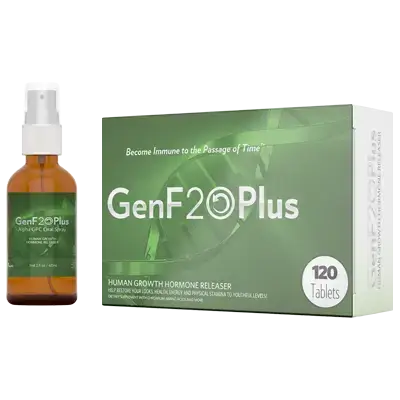
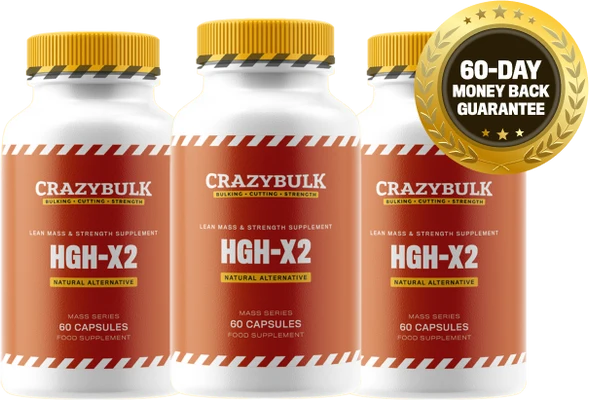
If you’ve weighed all that and still want one, transparency is your best safety feature. These are the three US formulas that publish their doses and back themselves with real guarantees:
FAQ
What are the side effects of HGH supplements? Mostly mild, ingredient-driven effects: digestive upset from arginine, drowsiness or tingling from GABA, flushing from niacin, and grogginess, vivid dreams and headaches from melatonin. The serious effects in most articles — carpal tunnel, edema, insulin resistance — belong to injected HGH, which supplements contain none of.
Are HGH supplements safe? For healthy adults at label doses, the common ingredients are generally well tolerated. The meaningful risks are drug interactions (blood-pressure meds, blood thinners, diabetes medication, antidepressants, birth control), stacking multiple products, and using supplements to postpone investigating genuine deficiency symptoms.
Can HGH supplements cause the same side effects as HGH injections? No — and for the same reason they can’t deliver injection results. Oral products contain no growth hormone, so hormone-driven effects like carpal tunnel, fluid retention and insulin resistance aren’t on the table; ingredient effects are.
Do HGH supplements interact with medications? Yes, and this is the risk worth taking seriously. Arginine warrants caution with blood-pressure drugs and nitrates; melatonin interacts with anticoagulants, immunosuppressants, diabetes medication and hormonal contraception; mucuna (L-dopa) needs care with MAOIs and psychiatric medication.
Are HGH supplements safe for drug-tested athletes? The category is risky — official military supplement-safety guidance warns HGH-branded products may contain undisclosed or banned compounds, and deer antler velvet is a known testing red flag. Tested athletes are best avoiding the category entirely.
Should I take an HGH supplement if I have low-GH symptoms? No — test first. Real deficiency is a diagnosable pituitary condition with genuine treatment, and a supplement can delay that diagnosis; symptoms plus risk factors mean an endocrinologist visit, not a supplement order.
This article is for educational purposes and isn’t medical advice. Dietary supplements are not FDA-approved to diagnose, treat, cure or prevent any disease. If you take regular medication or suspect genuine growth hormone deficiency, talk to your doctor before taking any product discussed here.
References
Injection side effects (what supplements don’t cause — or deliver)
- Cleveland Clinic — HGH (Human Growth Hormone): What It Is, Benefits & Side Effects. — the clinical side-effect list for synthetic HGH treatment: carpal tunnel, insulin resistance and type 2 diabetes risk, edema, joint and muscle pain, gynecomastia, and increased risk of certain cancers.
- Mayo Clinic — Human Growth Hormone (HGH): Does It Slow Aging? — confirms the same adverse-effect profile in healthy adults, and the key chemistry fact: “there’s no pill form of human growth hormone.”
- Liu H, et al. Systematic Review: The Safety and Efficacy of Growth Hormone in the Healthy Elderly. Ann Intern Med. 2007 (DARE abstract, NCBI). — the pooled trial evidence that adverse events in healthy adults outweigh the modest benefits, underpinning Part 1.
- WebMD — Human Growth Hormone (HGH): Benefits, Risks, and Uses. — notes that oral HGH is digested before absorption, and that the FTC has seen no reliable evidence that pills or sprays match prescription HGH’s effects.
Ingredient-level side effects and interactions
- WebMD — L-Arginine: Overview, Uses, Side Effects, Precautions, Interactions. — the source for arginine’s common side effects (diarrhea and upset stomach, especially at high doses) and the advice to clear it with a provider when on medication.
- Drugs.com — L-Arginine and Melatonin Interactions (professional monograph). — documents arginine’s 44 known drug interactions, the hyperkalemia caution in renal impairment, diabetes and liver disease, and melatonin’s 300+ known interactions.
- Mayo Clinic — Melatonin Side Effects: What Are the Risks? — the source for daytime drowsiness, headache, dizziness, vivid dreams and nausea, and melatonin’s interactions with anticoagulants, immunosuppressants, diabetes medication and contraceptives.
- Mayo Clinic — Melatonin (supplement monograph). — the fuller safety profile, including less common effects: short-lasting low mood, mild tremor, irritability and reduced alertness.
Regulation, legality and athlete safety (US)
- 21 U.S. Code § 333 — Penalties (Cornell Legal Information Institute). — the federal statute making distribution of actual HGH for anti-aging or bodybuilding a criminal offense, the legal backdrop to the black-market row of the risk ladder.
- Operation Supplement Safety (US Department of Defense) — HGH: Is It Legal? — the official warning that HGH-branded over-the-counter products are unapproved, unproven, and a compliance risk for drug-tested service members and athletes.
Genuine deficiency (when testing beats supplementing)
- Molitch ME, et al. Evaluation and Treatment of Adult Growth Hormone Deficiency: An Endocrine Society Clinical Practice Guideline. J Clin Endocrinol Metab. 2011. — the diagnostic standard behind the article’s “test first” advice for anyone with real deficiency symptoms.
- Cleveland Clinic — Growth Hormone Deficiency (GHD): Symptoms & Treatment. — the accessible overview of the condition a supplement should never be used to self-treat.