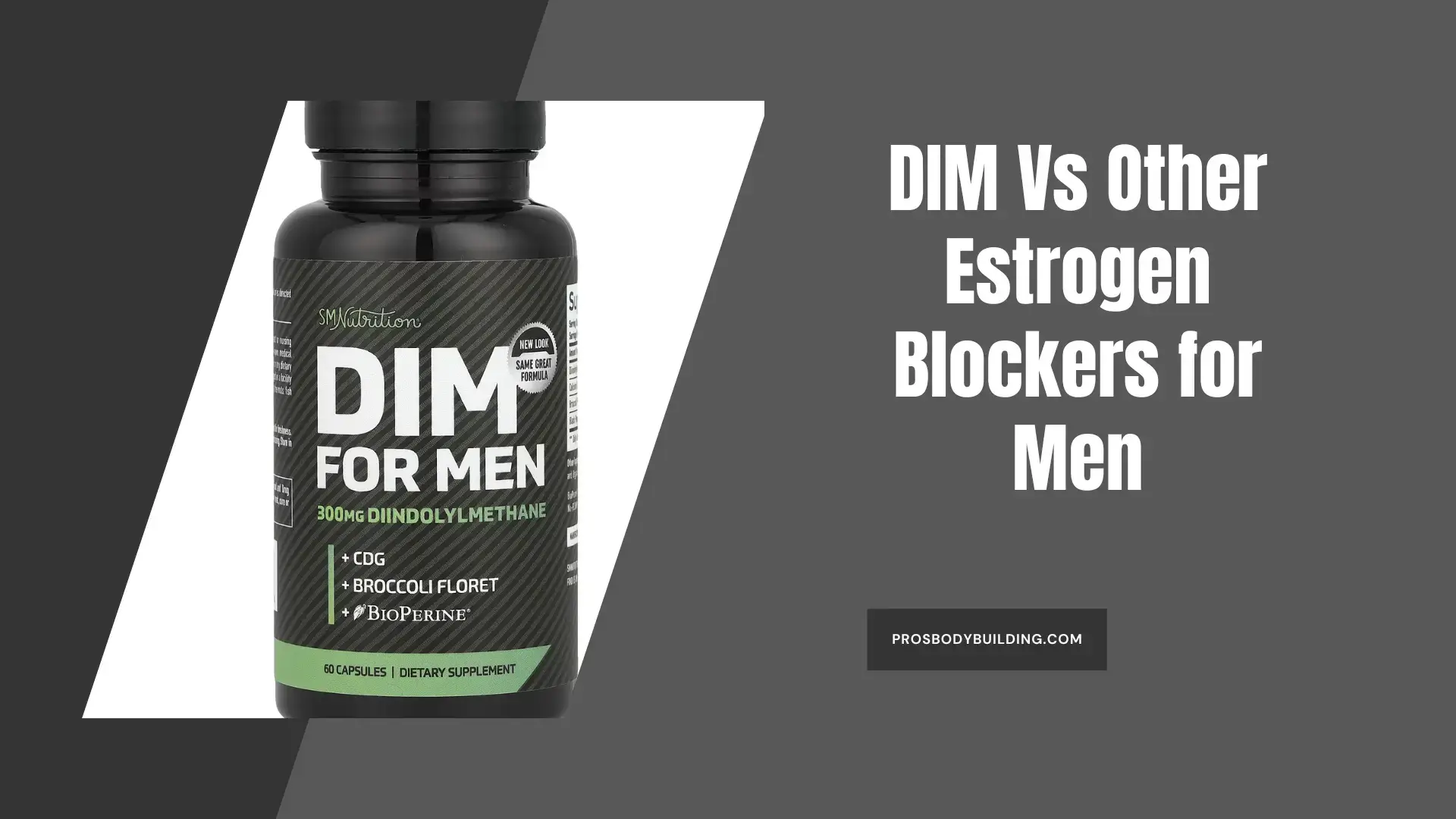
DIM Vs Other Estrogen Blockers for Men
Did you know that nearly 40% of men over 30 experience declining testosterone levels accompanied by rising estrogen?
It’s a startling reality that’s driving more men to seek natural solutions for hormone optimization.
If you’re researching ways to manage estrogen levels, you’ve likely encountered two popular options: DIM (Diindolylmethane) and traditional estrogen blockers. But which one actually delivers better results for your specific needs?
I’ve spent years analyzing hormone optimization strategies, and the confusion between these two approaches is completely understandable.
While both aim to address estrogen dominance in men, they work through entirely different mechanisms.
Some guys swear by DIM’s natural approach, while others prefer the targeted action of pharmaceutical estrogen blockers.
The truth? Your choice depends on several crucial factors that most men overlook.
Understanding Estrogen in Men: Why Balance Matters
Let me begin by explaining the role of estrogen in men:
The role of estrogen in male physiology and optimal levels
Most guys think estrogen is strictly a female hormone, but that’s actually a dangerous misconception.
Men naturally produce estrogen through the aromatization process, where testosterone converts to estradiol via the aromatase enzyme.
Your body needs some estrogen for bone density, brain function, and cardiovascular health.
The sweet spot for male estrogen levels typically ranges between 10-40 pg/mL, though this varies based on individual factors.
When estrogen creeps above these optimal ranges, that’s when problems start surfacing in your hormone profile.
How estrogen dominance develops in modern men
Here’s the brutal truth: our modern environment is basically designed to mess with male hormones.
Xenoestrogens from plastics, pesticides, and industrial chemicals mimic estrogen in your body.
Stress elevates cortisol, which can increase aromatase activity and convert more testosterone to estrogen.
Poor sleep patterns disrupt your natural hormone production cycles, often favoring estrogen over testosterone.
Excess body fat acts like an estrogen factory because fat tissue contains high levels of aromatase enzyme.
Alcohol consumption directly impacts your liver’s ability to metabolize and clear excess estrogen from your system.
Common symptoms of elevated estrogen (gynecomastia, low libido, mood changes)
Gynecomastia, or “man boobs,” is probably the most visible sign that your estrogen levels are out of whack.
Low libido hits hard when estrogen dominance suppresses your natural testosterone production.
Mood swings, irritability, and even depression can stem from hormonal imbalances affecting your brain chemistry.
Water retention and bloating make you look soft and puffy, especially around your midsection.
Fatigue becomes your constant companion when your hormone ratios are skewed toward estrogen dominance.
Sleep quality tanks because elevated estrogen can interfere with your natural circadian rhythms.
The testosterone-to-estrogen ratio and its impact on male health
Your testosterone-to-estrogen ratio matters more than absolute numbers in many cases.
A healthy ratio typically sits around 20:1 to 40:1 (testosterone to estrogen), depending on your age and genetics.
When this ratio gets compressed, you’ll experience symptoms even if your testosterone levels appear “normal” on paper.
Muscle building becomes frustratingly difficult when estrogen dominance interferes with protein synthesis.
Body composition shifts toward storing fat rather than building lean muscle mass.
Recovery from workouts takes longer because elevated estrogen can increase inflammation markers.
Environmental factors contributing to estrogen imbalance
Endocrine disruptors lurk everywhere in our modern world, from food packaging to personal care products.
BPA and phthalates from plastic containers leach into your food and drinks, acting as xenoestrogens.
Non-organic produce contains pesticide residues that can disrupt your natural hormone production.
Household cleaning products often contain chemicals that interfere with your endocrine system.
Even your water supply might contain trace amounts of pharmaceutical estrogens from birth control pills.
Air pollution in urban areas exposes you to industrial chemicals that can affect hormone balance.
What is DIM and How Does It Work for Men?
Let’s find out what DIM actually is and how it works for men:
Complete breakdown of Diindolylmethane and its natural origins
DIM, or Diindolylmethane, comes from cruciferous vegetables like broccoli, cauliflower, and Brussels sprouts.
When you chew these vegetables, an enzyme called myrosinase converts indole-3-carbinol into DIM.
The problem is you’d need to eat pounds of broccoli daily to get therapeutic levels of DIM naturally.
That’s why concentrated DIM supplements have become so popular among men seeking hormone optimization.
Most quality DIM supplements range from 100mg to 300mg per capsule, providing concentrated phytonutrient power.
The compound has been studied extensively for its hormone-modulating properties and safety profile.
The mechanism: how DIM promotes healthy estrogen metabolism
Here’s where DIM gets really interesting – it doesn’t actually block estrogen production like traditional estrogen blockers.
Instead, DIM influences how your body metabolizes the estrogen you already have.
It promotes the formation of “good” estrogen metabolites (2-hydroxyestrone) over “bad” ones (16-hydroxyestrone).
Think of DIM as a traffic director, guiding estrogen down safer metabolic pathways.
This selective estrogen metabolism can help reduce the negative effects of estrogen dominance.
Your liver becomes more efficient at processing and eliminating excess estrogen from your system.
DIM’s effect on 2-hydroxyestrone vs 16-hydroxyestrone pathways
The 2-hydroxyestrone pathway produces weaker, less problematic estrogen metabolites.
These “good” metabolites are easier for your body to eliminate and cause fewer hormonal disruptions.
The 16-hydroxyestrone pathway creates more potent, potentially problematic estrogen metabolites.
These “bad” metabolites can contribute to estrogen dominance symptoms and health issues.
DIM supplementation typically shifts the balance toward the safer 2-hydroxyestrone pathway.
This metabolic shift can be measured through specialized urine testing that tracks estrogen metabolite ratios.
Absorption and bioavailability factors for maximum effectiveness
Raw DIM has poor absorption rates, which is why most supplements use enhanced formulations.
Microencapsulated DIM or DIM with BioPerine (black pepper extract) improves bioavailability significantly.
Taking DIM with healthy fats can enhance absorption since it’s a fat-soluble compound.
Some men find that splitting their daily dose improves both absorption and reduces potential side effects.
Empty stomach versus with food can affect absorption rates differently for each individual.
The quality of the DIM supplement manufacturer matters tremendously for actual potency and effectiveness.
Typical dosage recommendations and timing protocols
Most men start with 100-200mg of DIM daily, taken with their largest meal.
Some guys need higher doses (up to 400mg) depending on their estrogen dominance severity.
Starting low and gradually increasing allows you to assess your individual response and tolerance.
Taking DIM consistently at the same time each day helps maintain steady blood levels.
Many men prefer taking it with dinner since DIM can occasionally cause mild digestive upset initially.
Cycling protocols aren’t typically necessary with DIM since it’s considered safe for long-term use.
Estrogen Blockers for Men: Types and Mechanisms
Let me throw some light on various estrogen blockers for men:
Aromatase inhibitors (AIs) and how they prevent estrogen production
Aromatase inhibitors work by blocking the aromatase enzyme that converts testosterone into estrogen.
Think of AIs as putting a lock on the conversion factory where testosterone becomes estradiol.
This approach directly reduces estrogen production rather than just influencing metabolism like DIM does.
Popular AIs include Anastrozole (Arimidex), Exemestane (Aromasin), and Letrozole (Femara).
These are prescription medications that require medical supervision and regular blood work monitoring.
The potency of AIs means they can dramatically drop estrogen levels, sometimes too much.
Selective estrogen receptor modulators (SERMs) and their targeted action
SERMs take a different approach by blocking estrogen receptors in specific tissues.
They act like decoy keys that fit into estrogen receptors but don’t activate them.
This selective blocking means SERMs can reduce estrogenic effects in some tissues while preserving benefits in others.
Tamoxifen (Nolvadex) and Clomiphene (Clomid) are the most commonly used SERMs for men.
SERMs can actually stimulate testosterone production by blocking estrogen feedback at the hypothalamus.
Some men prefer SERMs because they don’t completely eliminate estrogen from the body.
Popular estrogen blockers: Arimidex, Aromasin, Nolvadex, and Clomid
Arimidex (Anastrozole) is probably the most prescribed AI for men dealing with estrogen dominance.
It’s potent, with even small doses (0.25mg) capable of significantly reducing estrogen levels.
Aromasin (Exemestane) is considered a “suicidal” AI because it permanently deactivates the aromatase enzyme.
This makes Aromasin potentially safer for long-term use since it doesn’t cause estrogen rebound.
Nolvadex (Tamoxifen) blocks estrogen receptors and is particularly effective for treating gynecomastia.
Clomid (Clomiphene) not only blocks estrogen but also stimulates natural testosterone production.
Prescription vs over-the-counter options available
Most effective estrogen blockers require a prescription from a doctor or hormone specialist.
Over-the-counter options exist but are generally much weaker and less reliable.
Some “natural” estrogen blockers contain ingredients like chrysin or grape seed extract.
Research supporting OTC estrogen blockers is limited compared to prescription options.
Getting proper medical supervision ensures you’re using the right compound at the correct dose.
Underground or research chemical sources carry significant risks and quality concerns.
How estrogen blockers interact with testosterone production
Blocking estrogen can trigger your body’s natural feedback loops to produce more testosterone.
This happens because your hypothalamus senses low estrogen and signals for more hormone production.
However, completely eliminating estrogen can actually harm testosterone production in some men.
The key is finding the sweet spot where estrogen is controlled but not completely suppressed.
Some estrogen blockers can affect other hormones like IGF-1 and growth hormone.
Regular hormone panels help ensure estrogen blockers are optimizing rather than disrupting your endocrine system.
DIM vs Estrogen Blockers: Head-to-Head Comparison
Let us now compare DIM and other estrogen blockers:
Effectiveness rates and expected timeline for results
DIM typically takes 4-8 weeks to show noticeable effects on hormone balance and symptoms.
The gradual nature of DIM means changes are subtle but sustainable over time.
Estrogen blockers can produce dramatic results within 1-2 weeks of starting treatment.
Some guys notice reduced water retention and improved mood within days of using AIs or SERMs.
However, the rapid action of estrogen blockers can sometimes overcorrect and crash estrogen levels.
DIM’s gentler approach means fewer dramatic swings but requires more patience for results.
Natural vs pharmaceutical approach: pros and cons of each
DIM represents the natural route, derived from vegetables your grandmother would recognize.
This natural origin means fewer concerns about long-term safety and drug interactions.
Pharmaceutical estrogen blockers offer precision and potency that natural options can’t match.
The downside is that prescription options come with more potential side effects and risks.
DIM won’t interfere with most medications, while estrogen blockers can have significant drug interactions.
Natural approaches like DIM often take longer to work but tend to produce more sustainable results.
Cost analysis and long-term affordability considerations
Quality DIM supplements typically cost $20-50 per month depending on dosage and brand.
Prescription estrogen blockers can range from $50-200+ monthly, especially if insurance doesn’t cover them.
Blood work monitoring adds another $100-300 every few months when using prescription options.
DIM requires less frequent monitoring, though periodic hormone testing is still recommended.
Over a year, the cost difference can be substantial, with DIM being significantly more affordable.
However, if you need faster results, the higher cost of prescription options might be justified.
Ease of use and accessibility for the average man
You can order DIM supplements online or find them at most health food stores.
No doctor visits, prescriptions, or insurance approvals are needed to start using DIM.
Estrogen blockers require finding a knowledgeable doctor willing to prescribe them for men.
This can be challenging since many primary care physicians aren’t familiar with male hormone optimization.
DIM dosing is more forgiving, while estrogen blockers require precise dosing to avoid problems.
The convenience factor strongly favors DIM for guys who want a simpler approach.
Scientific research backing each approach
Pharmaceutical estrogen blockers have decades of research, primarily from cancer treatment studies.
Their mechanisms of action are well-understood and documented in medical literature.
DIM research is newer but growing, with promising studies on hormone metabolism and cancer prevention.
Most DIM studies focus on women’s health, with limited male-specific research available.
Anecdotal evidence from male forums and communities strongly supports both approaches.
The pharmaceutical route has more robust clinical data, while DIM relies more on biochemical theory and user reports.
Side Effects and Safety Profiles
Let us find out more on side effects of both DIM supplements as well as other estrogen blockers:
Common side effects of DIM supplementation
Most men tolerate DIM well, but some experience mild digestive upset when starting.
Headaches can occur during the first week as your body adjusts to changing hormone metabolism.
Some guys report changes in urine color or odor, which is generally harmless but noticeable.
Skin changes, including potential acne flares, might happen as hormones rebalance.
Fatigue or mood changes are possible during the initial adjustment period.
These side effects typically resolve within 2-3 weeks as your body adapts to the supplement.
Potential risks and contraindications of estrogen blockers
Estrogen blockers can crash your estrogen levels too low, causing joint pain and mood issues.
Bone density problems become a concern with long-term estrogen suppression.Cardiovascular risks increase when estrogen levels drop too dramatically in men.
Liver stress is possible with certain AIs, requiring regular monitoring of liver enzymes.Sexual function can actually worsen if estrogen gets suppressed too aggressively.
Hot flashes and night sweats are common when estrogen levels drop too quickly.
Long-term safety considerations for both options
DIM has an excellent long-term safety profile with no known serious adverse effects.Cruciferous vegetables have been consumed safely for thousands of years by humans.
Long-term estrogen suppression from AIs may increase osteoporosis risk in men.The cardiovascular implications of chronic estrogen blocking aren’t fully understood yet.
DIM might actually provide protective benefits against certain cancers over time.Estrogen blockers require ongoing medical supervision to monitor for developing complications.
Who should avoid each approach and why
- Men with existing liver problems should avoid both DIM and prescription estrogen blockers.
- Those taking blood thinners need to be cautious with DIM due to potential interactions.
- Guys with very low baseline estrogen levels shouldn’t use aggressive estrogen blockers.
- Men with osteoporosis or bone density issues should avoid long-term AI use.
- Anyone taking multiple medications should consult their doctor before starting either approach.
- Younger men (under 25) should generally avoid aggressive hormone manipulation altogether.
Monitoring requirements and blood work recommendations
DIM users should get baseline hormone panels and recheck after 8-12 weeks.
- Estrogen blocker users need more frequent monitoring, often every 4-6 weeks initially.
- Key markers include total and free testosterone, estradiol, and liver function tests.
- Bone density scans become important for long-term estrogen blocker users.
- Lipid panels help monitor cardiovascular effects of hormone manipulation.
- Complete blood counts can catch potential blood-related side effects early.
Which Option is Right for Your Situation?
Let us find out which is better for you:
Factors to consider when choosing between DIM and estrogen blockers
Your current estrogen levels should be the primary deciding factor in your choice.
If your estradiol is slightly elevated (40-60 pg/mL), DIM might be sufficient for rebalancing.
Severely elevated estrogen (80+ pg/mL) often requires the stronger action of prescription blockers.
Your tolerance for side effects and medical monitoring plays a huge role in the decision.
Budget constraints can influence your choice, with DIM being significantly more affordable.
Access to knowledgeable healthcare providers may determine which option is practically available.
Mild vs severe estrogen dominance: matching treatment to severity
Mild estrogen dominance with subtle symptoms responds well to DIM supplementation.
Moderate cases might benefit from trying DIM first before escalating to prescription options.
Severe estrogen dominance with gynecomastia or major symptoms usually needs pharmaceutical intervention.
The urgency of your situation affects whether you can wait for DIM’s gradual effects.
Some men prefer starting aggressive then tapering down to maintenance with DIM.
Your symptom severity should guide the aggressiveness of your initial approach.
Age considerations and how they influence your choice
Younger men (20s-30s) often respond better to gentler approaches like DIM.Their natural hormone production is typically more robust and responsive to subtle interventions.
Older men (40s+) might need the stronger action of prescription estrogen blockers.Age-related hormone decline can make pharmaceutical intervention more necessary.
Younger guys have more time to wait for DIM’s gradual effects to manifest.
Older men often prefer faster results that prescription options can provide.
Combining approaches: when and how to use both safely
Some men start with prescription blockers then transition to DIM for maintenance.
This approach provides quick initial results followed by long-term natural support.
Using both simultaneously requires careful monitoring to avoid over-suppressing estrogen.
Low-dose AI plus DIM can provide synergistic effects for stubborn cases.
Sequential use (blockers first, then DIM) often works better than simultaneous use.
Professional guidance becomes essential when combining different hormone-modulating approaches.
Working with healthcare providers for optimal results
Finding a hormone-literate physician dramatically improves your success rate.
Many general practitioners lack experience with male hormone optimization protocols.
Endocrinologists, urologists, or anti-aging specialists often have more relevant expertise.
Telemedicine hormone clinics can provide access when local options are limited.
Regular communication with your provider ensures adjustments based on your response.
Blood work interpretation requires medical expertise, especially when using prescription options.
Dosage Guidelines and Best Practices
Lets talk about the right dosages now:
Recommended DIM dosages for different goals and body weights
Most men start with 100-150mg of DIM daily, taken with their largest meal.
Larger guys (200+ pounds) might need 200-300mg daily for optimal hormone modulation.
Smaller men (under 160 pounds) often respond well to just 100mg daily.
The goal is finding the minimum effective dose that produces desired hormone changes.
Some men prefer splitting their daily dose into twice-daily administration for better absorption.
Quality matters tremendously – cheap DIM supplements often require higher doses for effectiveness.
Estrogen blocker protocols for beginners vs experienced users
Beginners should start with the lowest possible doses to assess individual sensitivity.
Anastrozole beginners might start with just 0.125mg twice weekly.
Experienced users can titrate up based on blood work and symptom response.
Aromasin users typically start with 6.25mg twice weekly for beginners.
SERM protocols vary widely, with Nolvadex starting around 10mg daily.
Never start with full doses – hormone manipulation requires careful dose escalation.
Cycling strategies to maintain effectiveness and minimize side effects
DIM doesn’t typically require cycling since it’s supporting natural metabolic pathways.
Some men cycle DIM seasonally, using it during higher-stress periods.
Estrogen blockers often benefit from cycling to prevent receptor desensitization.
Common AI cycles include 6-8 weeks on followed by 2-4 weeks off.
SERM cycling depends on individual goals and hormone response patterns.
Cycling helps prevent your body from adapting and reduces long-term side effect risks.
Signs you’re taking too much or too little of either option
Too much DIM might cause fatigue, mood changes, or digestive issues.
Insufficient DIM dosing means continued estrogen dominance symptoms.
Excessive estrogen blocking causes joint pain, mood crashes, and sexual dysfunction.
Too little estrogen blocking means persistent gynecomastia and other estrogenic symptoms.
The sweet spot produces improved body composition without negative side effects.
Regular blood work helps identify if your dosing is appropriate for your physiology.
Adjusting dosages based on blood work and symptoms
Target estradiol levels for men typically range between 15-30 pg/mL.
If estrogen drops below 10 pg/mL, reduce your estrogen blocker dose immediately.
Rising estrogen despite supplementation might indicate poor absorption or insufficient dosing.
Symptom tracking helps identify patterns that blood work might miss.
Some men feel best at the higher end of the range, others prefer lower levels.
Dose adjustments should be gradual – small changes can have big hormonal impacts.
Natural Alternatives and Supportive Strategies
Let’s talk about some natural alternatives:
Lifestyle modifications that naturally reduce estrogen levels
Losing excess body fat is probably the most effective natural estrogen reduction strategy.
Fat tissue contains aromatase enzyme that converts testosterone into estrogen.
Even a 10-15 pound weight loss can significantly improve your testosterone-to-estrogen ratio.
Reducing alcohol consumption helps your liver metabolize estrogen more efficiently.
Your liver prioritizes alcohol detoxification over hormone processing when you drink regularly.
Limiting plastic use, especially for food storage, reduces xenoestrogen exposure.
Dietary changes and foods that support healthy hormone balance
Cruciferous vegetables like broccoli and cauliflower naturally contain DIM precursors.
You’d need massive amounts, but including them regularly provides baseline support.
Zinc-rich foods like oysters and grass-fed beef support healthy testosterone production.
Healthy fats from avocados, nuts, and olive oil provide hormone building blocks.
Fiber helps bind and eliminate excess estrogen through your digestive system.
Avoiding soy products reduces phytoestrogen intake that can worsen estrogen dominance.
Exercise protocols that optimize the testosterone-to-estrogen ratio
Heavy compound lifting naturally boosts testosterone while reducing body fat.
High-intensity interval training (HIIT) provides hormone benefits without overtraining.
Excessive cardio can actually increase cortisol and worsen hormone imbalances.
Strength training 3-4 times per week seems optimal for hormone optimization.
Recovery time becomes crucial – overtraining can suppress testosterone production.
Sprint intervals twice weekly can boost growth hormone and testosterone naturally.
Sleep and stress management for hormone optimization
Poor sleep directly suppresses testosterone while increasing cortisol levels.
Aim for 7-9 hours nightly with consistent sleep and wake times.
Blue light blocking glasses in the evening help maintain natural melatonin production.
Chronic stress elevates cortisol, which can increase aromatase activity.
Meditation, yoga, or other stress-reduction practices support healthy hormone balance.
Magnesium supplementation can improve both sleep quality and stress resilience.
Complementary supplements that enhance results
Zinc supports healthy testosterone production and can mildly inhibit aromatase.
Vitamin D deficiency is linked to low testosterone and poor hormone balance.
Magnesium helps with sleep, stress, and testosterone production.
Omega-3 fatty acids reduce inflammation and support healthy hormone synthesis.
Vitamin K2 works synergistically with D3 for optimal hormone function.
Boron may help reduce estrogen while supporting free testosterone levels.
Best DIM Supplement for Men
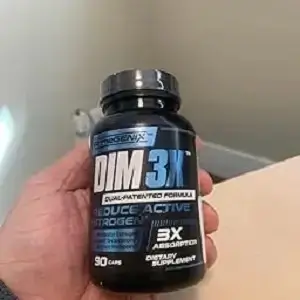
When it comes to DIM supplements for men, there are just a few that actually work. DIM 3X from Primegenix is an excellent choice if you are looking for a DIM supplement that is safe, effective and free of side effects.
DIM 3X is manufactured in a FDA approved lab in the US and is recommended by doctors too. It consists of 100% natural ingredients and can help metabolize estrogen in the body.
It can help support testosterone and optimise testosterone-to-estrogen ratio in your body.
Some of its benefits many include the following:
- it may lower estrogen
- support testosterone
- maximize muscle growth and strength
- boost fat-burning in the body
- may elevate mood and improve energy levels
- may increase libido and improve sexual performance
- may support better prostate health
DIM 3X does not have side effects but it works slowly within your body. You must have it for at least 3-6 months to get the best results. Check out my honest and detailed DIM 3X review by clicking here.
Conclusion
Choosing between DIM and estrogen blockers for men isn’t a one-size-fits-all decision. While DIM offers a gentler, more natural approach to supporting healthy estrogen metabolism, estrogen blockers provide more aggressive intervention for severe cases. Your individual circumstances—including current hormone levels, severity of symptoms, and long-term health goals—should guide your decision.
Remember, hormone optimization is a marathon, not a sprint! Whether you choose the natural route with DIM or opt for pharmaceutical estrogen blockers, consistency and proper monitoring are key to achieving lasting results. I strongly recommend working with a knowledgeable healthcare provider who can guide you through blood work analysis and help you make the most informed choice for your unique situation.
Ready to take control of your hormone balance? Start by getting comprehensive hormone testing, then use this guide to have an informed discussion with your doctor about which approach aligns best with your goals and lifestyle.
Semantic Keywords List
DIM supplement for men estrogen blockers men male hormone balance testosterone estrogen ratio aromatase inhibitors men diindolylmethane benefits SERM for men estrogen dominance symptoms natural estrogen blockers hormone optimization men Arimidex for men DIM dosage men male estrogen levels testosterone booster vs estrogen blocker gynecomastia treatment low testosterone high estrogen hormone replacement therapy men DIM side effects estrogen blocker side effects male hormone testing cruciferous vegetables estrogen natural hormone balance estrogen metabolism men anti-estrogen supplements hormone therapy men DIM vs Arimidex estrogen receptor modulators male fertility hormones androgen optimization hormonal imbalance men testosterone therapy estrogen detox men male endocrine system hormone cycling men DIM absorption aromatase enzyme inhibition selective estrogen modulators hormone blood work men estrogen dominance causes natural testosterone support male hormone health DIM bioavailability estrogen blocker protocols hormone balance supplements testosterone optimization male reproductive hormones endocrine disruptors men hormone restoration therapy DIM metabolism pathway estrogen receptor blocking male hormone imbalance symptoms natural aromatase inhibitors testosterone estrogen balance hormone support supplements male anti-aging hormones DIM cruciferous extract estrogen modulation therapy hormone optimization protocol testosterone enhancement male hormonal health estrogen control supplements natural hormone therapy DIM indole carbinol hormone balance optimization male endocrine health testosterone support supplements estrogen management men hormone equilibrium male hormone restoration DIM supplement benefits natural estrogen management hormone balance protocol testosterone maintenance male hormone therapy estrogen reduction supplements natural hormone optimization DIM estrogen metabolism hormone health men testosterone estrogen optimization male hormone wellness natural hormone support estrogen balance supplements hormone therapy options male endocrine optimization DIM hormonal support natural estrogen control hormone balance solutions testosterone hormone therapy male reproductive health estrogen blocking supplements natural hormone restoration DIM natural supplement hormone optimization supplements male hormone balance therapy natural testosterone optimization estrogen hormone management DIM supplementation men hormone health optimization male endocrine balance natural hormone enhancement testosterone hormone support estrogen level management hormone wellness men natural hormone balance therapy DIM hormone support male hormone optimization natural estrogen blocking hormone balance enhancement testosterone hormone optimization male hormonal wellness natural hormone therapy men estrogen control therapy DIM natural hormone support hormone optimization therapy male hormone health supplements