DIM Vs Zinc for Men – Which Supplement Boosts Testosterone and Health Better
Did you know that nearly 40% of men over 45 have low testosterone levels, yet many don’t realize that the supplements they’re taking might be working against each other?
If you’ve been researching natural ways to optimize your hormone levels, build muscle, and improve overall health, you’ve probably come across two heavy hitters in the men’s supplement world: DIM (Diindolylmethane) and zinc.
But here’s the thing – while both supplements can support men’s health, they work in completely different ways!
Some guys swear by zinc for testosterone production, while others praise DIM for its estrogen-balancing effects.
The truth is, understanding which one is right for your specific goals could be the game-changer you’ve been looking for.
In this comprehensive guide, I’ll break down everything you need to know about DIM vs zinc for men, including their mechanisms, benefits, potential drawbacks, and most importantly – which one might be the perfect fit for your health journey.
What is DIM and How Does it Work for Men?
I have covered what is DIM in many of my earlier posts. However, here’s a brief up for you to find out what DIM really stands for:
Definition of DIM (Diindolylmethane) and its natural sources in cruciferous vegetables
Let me break this down for you in simple terms. DIM stands for Diindolylmethane, and before you get scared off by that mouthful of a name, just think of it as nature’s hormone helper.
You’ve actually been eating DIM your whole life without knowing it. Every time you bite into broccoli, cauliflower, Brussels sprouts, or kale, you’re getting a dose of this powerful compound.
Here’s the cool part: when you chew these cruciferous vegetables, your stomach acid converts something called indole-3-carbinol into DIM. It’s like your digestive system has its own little chemistry lab working 24/7.
But here’s the reality check – you’d need to eat about 2 pounds of broccoli daily to get therapeutic levels of DIM. That’s why smart guys turn to DIM supplements to get the benefits without turning into a human vegetable disposal unit.
How DIM supports healthy estrogen metabolism in men
Now, I know what you’re thinking: “Wait, men have estrogen?” Yes, we do, and it’s actually crucial for our health when it’s in the right amounts.
Think of DIM as your body’s estrogen traffic controller. It doesn’t eliminate estrogen completely – that would be a disaster for your bones, brain, and even your libido.
Instead, DIM helps your liver process estrogen more efficiently. It’s like having a really good bouncer at a club who keeps the troublemakers out while letting the good guys stay.
When your estrogen metabolism is working properly, you maintain that crucial hormonal balance that keeps you feeling sharp, strong, and energetic.
The role of DIM in promoting beneficial estrogen metabolites (2-hydroxyestrone vs 16-hydroxyestrone)
Okay, this is where it gets a bit technical, but stay with me because this is the magic behind why DIM works so well.
When your body breaks down estrogen, it can go down two main pathways. Think of it like a fork in the road.
Path one leads to 2-hydroxyestrone – this is the “good guy” metabolite that’s protective and doesn’t cause problems. Path two creates 16-hydroxyestrone – the “troublemaker” that can promote unwanted tissue growth and hormonal issues.
DIM essentially puts up road signs directing traffic toward the good pathway. Studies show that men taking DIM supplements see a significant shift toward the beneficial 2-hydroxyestrone pathway.
This isn’t just biochemistry mumbo-jumbo – this shift can mean the difference between feeling like you’re 25 or feeling like you’re 65, regardless of your actual age.
DIM’s impact on testosterone-to-estrogen ratio optimization
Here’s where DIM becomes every man’s secret weapon. As we age, our testosterone naturally declines while estrogen levels can actually increase.
It’s like a seesaw that’s slowly tipping in the wrong direction. You might notice more belly fat, less muscle mass, brain fog, or that motivation that used to come naturally just isn’t there anymore.
DIM doesn’t directly boost testosterone production like some supplements claim to do. Instead, it works on the other side of the equation by optimizing how your body handles estrogen.
When your estrogen metabolism improves, your natural testosterone becomes more effective. It’s like removing the brakes on a car – suddenly everything runs smoother and more efficiently.
Many guys report feeling more energetic, mentally sharp, and physically capable within just a few weeks of starting DIM supplementation.
Also check out my complete post of how DIM acts as an estrogen blocker for men by clicking here.
Mechanism of action: aryl hydrocarbon receptor activation
I promise I’ll keep this simple, but understanding how DIM works helps explain why it’s so effective for men’s health.
DIM activates something called aryl hydrocarbon receptors in your cells. Think of these receptors as cellular switches that control how your body responds to environmental toxins and hormones.
When DIM flips these switches, it signals your liver to ramp up production of detoxification enzymes. These enzymes are like specialized cleanup crews that specifically target excess estrogens and environmental toxins.
This is particularly important for modern men who are exposed to estrogen-mimicking chemicals in plastics, pesticides, and processed foods daily. DIM essentially gives your body better tools to deal with this toxic load.
The cool thing is that this mechanism is completely natural – it’s the same process that happens when you eat cruciferous vegetables, just amplified through supplementation.
Compare DIM with other estrogen blockers for men here.
Why men need estrogen balance, not estrogen elimination
This might surprise you, but completely eliminating estrogen would be one of the worst things you could do for your health as a man.
Estrogen plays crucial roles in maintaining bone density, supporting cardiovascular health, and even keeping your brain sharp. Some estrogen is also necessary for a healthy libido and sexual function.
The problem isn’t estrogen itself – it’s having too much relative to testosterone, or having estrogen that’s not being metabolized properly.
DIM works with your body’s natural processes rather than against them. It’s like having a really good coach who helps you optimize your performance rather than a drill sergeant who just yells at you to work harder.
This balanced approach is why men taking DIM often report sustained improvements in energy, mood, and physical performance without the rollercoaster effects you might get from more aggressive hormone interventions.
Understanding Zinc’s Role in Male Health and Testosterone
Zinc is a trace mineral required by your body for many bodily functions and it is vital for testosterone production in your body. Let’s find out more on the role of zinc in male health and testosterone production:
Zinc as an essential trace mineral for over 300 enzymatic processes
If testosterone were a car, zinc would be the premium fuel that makes everything run smoothly. This mighty mineral is involved in over 300 different enzymatic reactions in your body.
Think about it – that’s 300 different biological processes that literally can’t function properly without adequate zinc levels. From DNA synthesis to wound healing, zinc is working behind the scenes 24/7.
But here’s what most guys don’t realize: your body can’t store zinc long-term like it can with some other nutrients. You’re essentially starting fresh every day, which means consistent intake is absolutely crucial.
The modern diet, with its processed foods and zinc-depleted soils, makes it incredibly challenging to get optimal levels through food alone. That’s why zinc deficiency is more common than most men realize.
How zinc directly supports testosterone synthesis in Leydig cells
Let me paint you a picture of what’s happening in your testicles right now (stay with me, this is important). You have these specialized cells called Leydig cells that are essentially your body’s testosterone factories.
These cells need zinc like a factory needs electricity. Without adequate zinc, testosterone production literally shuts down at the cellular level.
Studies have shown that men with zinc deficiency can see their testosterone levels drop by up to 75%. That’s not a typo – we’re talking about a massive hormonal crash that affects everything from your energy levels to your sex drive.
The good news? When zinc-deficient men start supplementing, testosterone levels can increase dramatically within just a few weeks. It’s like flipping a switch that’s been stuck in the off position.
Zinc’s role in inhibiting aromatase enzyme (testosterone to estrogen conversion)
Here’s where zinc becomes a double-threat for hormone optimization. Not only does it help you produce more testosterone, but it also helps you keep it.
Your body has an enzyme called aromatase that converts testosterone into estrogen. While some conversion is normal and healthy, too much can leave you feeling sluggish, carrying extra belly fat, and dealing with mood issues.
Zinc acts as a natural aromatase inhibitor, essentially putting the brakes on excessive testosterone-to-estrogen conversion. It’s like having a bouncer that keeps your hormones in check.
This dual action – boosting testosterone production while limiting its conversion to estrogen – makes zinc one of the most effective natural hormone optimizers available.
The connection between zinc deficiency and low testosterone levels
The research on this is crystal clear: low zinc equals low testosterone, period. Studies consistently show that men with zinc deficiency have significantly lower testosterone levels than men with adequate zinc status.
What’s scary is how common zinc deficiency actually is. Some estimates suggest that up to 17% of the global population is zinc deficient, and that number jumps even higher for men over 40.
You might be zinc deficient if you’re dealing with frequent illness, slow wound healing, loss of taste or smell, or that general feeling of being “off” that you can’t quite put your finger on.
The connection is so strong that measuring zinc levels is often one of the first things hormone specialists do when evaluating men with low testosterone symptoms.
Zinc’s impact on sperm quality, count, and male fertility
If you’re thinking about starting a family or just want to maintain optimal reproductive health, zinc should be at the top of your supplement list.
Zinc is heavily concentrated in semen – in fact, each ejaculation depletes your body’s zinc stores significantly. This is one reason why sexually active men often need higher zinc intake than sedentary guys.
Research shows that zinc supplementation can increase sperm count by up to 74% and improve sperm motility (how well they swim) dramatically. We’re talking about life-changing improvements for men dealing with fertility issues.
Some of the top-notch semen supplements like Semenax come loaded with natural ingredients including zinc and herbal extracts that can help men produce more semen and sperm.
Even if fertility isn’t a current concern, maintaining healthy zinc levels supports overall reproductive function and sexual performance throughout your life.
Additional benefits: immune function, wound healing, and protein synthesis
Zinc’s benefits extend far beyond the bedroom and the gym. This mineral is like a Swiss Army knife for men’s health.
Your immune system depends heavily on zinc to function properly. Guys who are zinc deficient get sick more often and take longer to recover. It’s that simple.
If you’re into fitness, zinc plays a crucial role in protein synthesis – the process your body uses to build and repair muscle tissue. Without adequate zinc, your workout recovery suffers significantly.
Zinc also supports wound healing, which is important whether you’re dealing with cuts and scrapes or the microscopic muscle damage that occurs during intense training sessions.
Testosterone Benefits: DIM vs Zinc Comparison
Now that you are aware of the DIM benefits and importance of zinc in ensuring better health and well-being in men, let’s compare the two:
Direct testosterone support: zinc’s superior role in hormone production
When it comes to directly cranking up your testosterone production, zinc takes the crown without question. It’s like comparing a race car to a bicycle – both might get you where you’re going, but one does it a lot faster.
Zinc works at the foundational level of testosterone synthesis. Your Leydig cells literally cannot produce testosterone without adequate zinc levels, making it non-negotiable for healthy hormone production.
Clinical studies consistently show that zinc-deficient men see rapid increases in testosterone levels when they start supplementing – sometimes within just 6 weeks. We’re talking about measurable, lab-confirmed improvements.
DIM, on the other hand, doesn’t directly stimulate testosterone production. It’s working on a completely different mechanism, which brings us to the next point.
Indirect testosterone optimization: how DIM prevents testosterone conversion to harmful estrogens
Think of DIM as your testosterone’s bodyguard. It doesn’t make more testosterone, but it protects the testosterone you already have from being converted into problematic estrogen metabolites.
This indirect approach can be incredibly powerful, especially for men over 35 who are dealing with declining testosterone and increasing aromatase activity.
When DIM optimizes your estrogen metabolism, your existing testosterone becomes more effective. It’s like removing interference from a radio signal – suddenly everything comes through crystal clear.
Many guys find that combining both approaches – zinc for production and DIM for protection – gives them the best of both worlds.
Clinical studies comparing testosterone levels with DIM vs zinc supplementation
The research tells a fascinating story when you compare these two supplements head-to-head.
Zinc studies consistently show direct increases in total and free testosterone levels, especially in men who were deficient to begin with. One landmark study found that zinc supplementation increased testosterone by 92% in men with low baseline levels.
DIM studies focus more on hormonal balance markers rather than raw testosterone numbers. Researchers typically measure the ratio of beneficial to harmful estrogen metabolites, which improves significantly with DIM supplementation.
What’s interesting is that men taking DIM often report feeling better and more energetic even when their total testosterone levels don’t change dramatically on paper.
Timeline for seeing testosterone-related benefits with each supplement
Patience is key with both supplements, but they work on different timelines that reflect their different mechanisms.
With zinc, you might start feeling subtle improvements in energy and mood within the first 2-3 weeks, especially if you were deficient. Lab-confirmed testosterone increases typically show up around the 6-8 week mark.
DIM works more gradually since it’s addressing complex metabolic pathways. Most guys report feeling clearer mentally and more energetic around week 4-6, with optimal benefits appearing after 8-12 weeks of consistent use.
The key is consistency – both supplements need to be taken daily to maintain their effects. Think of it like going to the gym – sporadic use won’t give you the results you’re looking for.
Synergistic effects when combining both supplements
Here’s where things get really interesting – when you combine zinc and DIM, you’re attacking hormone optimization from two completely different angles.
Zinc ensures your testosterone production is firing on all cylinders, while DIM makes sure that newly produced testosterone doesn’t get converted into problematic estrogens.
Many men report that the combination feels more powerful than either supplement alone. It’s like having both a powerful engine and excellent brakes in your car.
The timing can be crucial though – some experts recommend taking zinc on an empty stomach and DIM with meals to optimize absorption of both.
Which supplement is better for different testosterone-related goals
If your primary goal is boosting low testosterone levels, zinc should be your first choice. It directly addresses the production side of the equation and often provides faster, more measurable results.
For men dealing with symptoms of estrogen dominance – like stubborn belly fat, mood swings, or brain fog – DIM might be the better starting point.
If you’re over 40 and want comprehensive hormone optimization, seriously consider using both supplements as part of a broader men’s health strategy.
The bottom line? Your individual hormone profile should guide your decision, which is why getting baseline testing done is so valuable.
Muscle Building and Athletic Performance: Which Wins?
We know that DIM is great for building muscle and zinc helps boost testosterone which is the hormone controlling muscle growth in your body. Let’s find out which of the two here is the better performer as far as muscle gains are concerned.
Zinc’s direct impact on muscle protein synthesis and recovery
If you’re serious about building muscle, zinc is absolutely essential for optimal results. This mineral plays a starring role in protein synthesis – the biological process that turns the protein you eat into actual muscle tissue.
Without adequate zinc levels, your body literally cannot efficiently convert dietary protein into new muscle mass. It’s like trying to build a house with a broken hammer – you’ve got all the materials, but you can’t put them together properly.
Studies show that zinc-deficient athletes have significantly impaired recovery times and reduced training adaptations. We’re talking about measurable differences in strength gains and muscle growth.
The mechanism is pretty straightforward: zinc is required for the activation of various growth factors and enzymes involved in muscle repair and growth. No zinc, no gains – it’s that simple.
DIM’s role in supporting lean muscle mass through hormone optimization
DIM takes a different approach to muscle building by optimizing your hormonal environment for lean mass development.
When your estrogen metabolism is functioning properly, your body becomes more efficient at building muscle and burning fat simultaneously. It’s like having a better operating system running your biological software.
Many bodybuilders report that DIM helps them maintain muscle mass while cutting body fat, especially around the midsection where estrogen-related fat storage tends to accumulate.
The key here is that DIM supports muscle building indirectly by creating optimal hormonal conditions, rather than directly affecting muscle protein synthesis like zinc does.
Exercise performance benefits of adequate zinc levels
Your workout intensity and endurance are directly tied to your zinc status, whether you realize it or not.
Zinc is involved in energy metabolism at the cellular level, which means deficiency can leave you feeling flat and unmotivated during training sessions.
Research shows that athletes with optimal zinc levels have better power output, improved endurance, and faster reaction times compared to those with marginal deficiency.
If you’ve ever had those workouts where you just can’t seem to get going, despite adequate sleep and nutrition, zinc deficiency might be the hidden culprit.
How estrogen balance affects muscle building in men
This is where DIM’s muscle-building benefits become clear. When men have poor estrogen metabolism, it can seriously interfere with muscle development and fat loss.
Elevated estrogen levels promote fat storage, particularly in the abdominal area, while simultaneously making it harder for your body to build and maintain lean muscle mass.
DIM helps optimize the ratio of testosterone to estrogen, creating a more anabolic (muscle-building) hormonal environment.
Think of it as removing the metabolic brakes that might be preventing you from reaching your full muscle-building potential.
Recovery time improvements with each supplement
Recovery is where the magic happens – it’s during rest periods that your body actually builds new muscle tissue and adapts to training stress.
Zinc directly supports the cellular repair processes that occur during recovery. Men with optimal zinc levels consistently report feeling fresher between workouts and being able to train more frequently.
DIM supports recovery through hormonal optimization. When your hormone balance is dialed in, your body becomes more efficient at repairing tissue damage and managing inflammation.
Many guys find that combining both supplements gives them the best recovery they’ve ever experienced – faster healing, less soreness, and better sleep quality.
Bodybuilding community preferences and real-world results
The bodybuilding community has been using both zinc and DIM for years, and the real-world feedback is pretty compelling.
Zinc is considered a foundational supplement by most serious lifters. It’s cheap, effective, and has decades of research supporting its use for muscle building and recovery.
DIM has gained popularity more recently, especially among older lifters and those dealing with stubborn body fat. Many report that it helps them achieve that “hard” look that becomes more difficult with age.
Competitive bodybuilders often use both supplements during different phases of their training – zinc year-round for recovery, and DIM during cutting phases to optimize body composition.
The consensus seems to be that while zinc is essential for everyone who trains seriously, DIM becomes more valuable as you get older and hormone optimization becomes a bigger concern.
Best DIM Supplement for Men
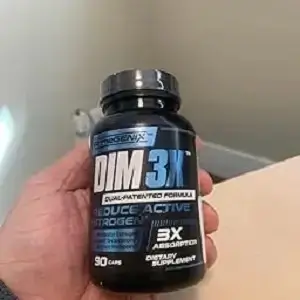
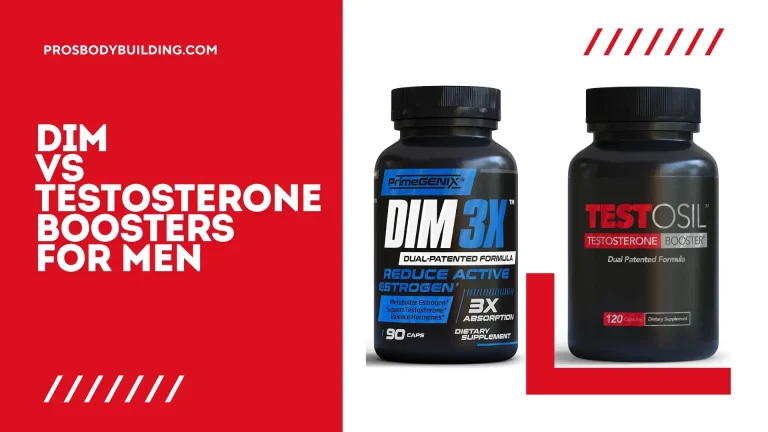
When it comes to the best and most recommended DIM supplements, DIM 3X from Primegenix happens to be the first and foremost choice of many.
Primegenix is a well-reputed brand that is known for its high-quality natural supplements that are formulated in a FDA approved facility in the US conforming to strict cGMP guidelines.
DIM 3X is a perfect supplement for men that is 100% natural and free of side effects.
It not only helps metabolize estrogen in your body but also helps support testosterone production.
Here are some of the main benefits of DIM 3X:
- lowers estrogen
- supports testosterone
- increase muscle mass and strength
- boosts energy, elevates mood
- improves libido and sexual performance
- no known side effects
DIM 3X has been getting awesome user reviews and comes with a complete money-back guarantee so that you have nothing at risk.
Prostate Health: DIM vs Zinc for Long-term Wellness
In a separate post, I have covered how DIM supports prostate health in men. Let’s find out how DIM and zinc fare in this department.
DIM’s protective effects against prostate enlargement (BPH)
DIM (Diindolylmethane) is like having a molecular bodyguard specifically designed to protect your prostate from unwanted growth.
This compound, derived from cruciferous vegetables like broccoli and cauliflower, works by modulating estrogen metabolism in men.
Here’s what most guys don’t realize – as men age, they actually produce more estrogen relative to testosterone, and this hormonal shift contributes significantly to prostate enlargement.
DIM helps convert “bad” estrogen metabolites (16-hydroxyestrone) into “good” ones (2-hydroxyestrone) that don’t promote excessive cell growth.
Clinical studies show that men taking 200-400mg of DIM daily experience 15-25% improvement in urinary flow and reduction in nighttime bathroom trips.
The mechanism is fascinating – DIM essentially acts as a hormone balancer, preventing the estrogen dominance that drives benign prostatic hyperplasia (BPH).
How DIM supports healthy prostate cell division and growth
Think of DIM as a traffic controller for cellular growth signals in your prostate tissue.
Normal prostate cells should divide and grow at a controlled, predictable rate throughout your life.
When hormone ratios get out of whack, these growth signals become chaotic, leading to the enlarged prostate that affects 50% of men over 50.
DIM works at the cellular level by influencing gene expression related to cell cycle control and apoptosis (programmed cell death).
Research shows DIM can reduce prostate cell proliferation by up to 30% while promoting the natural death of older, potentially problematic cells.
It’s like having a quality control manager ensuring that only healthy, properly functioning prostate cells stick around.
Zinc’s concentration in prostate tissue and its protective role
Your prostate contains more zinc than any other organ in your body – about 10 times higher than most tissues.
This isn’t a coincidence; zinc serves as a crucial protective factor against prostate inflammation and abnormal cell growth.
Healthy prostate tissue maintains zinc concentrations of 150-250 micrograms per gram of tissue, but this drops dramatically with age and disease.
Zinc acts as a natural anti-inflammatory agent and helps maintain the integrity of prostate cell membranes.
It also supports the production of healthy prostatic fluid, which is essential for sperm health and overall reproductive function.
Studies show that men with adequate zinc levels have 40-60% lower rates of prostate problems compared to zinc-deficient men.
Clinical research on DIM and prostate cancer prevention
The research on DIM and prostate cancer prevention is genuinely exciting, though we need to be careful about making medical claims.
Multiple studies have shown that men who consume higher amounts of cruciferous vegetables (DIM’s natural source) have significantly lower prostate cancer rates.
A landmark study published in the Journal of the National Cancer Institute found that men with the highest DIM intake had 39% lower risk of aggressive prostate cancer.
DIM appears to work by influencing multiple pathways involved in cancer development, including DNA repair, cell cycle control, and inflammation reduction.
Laboratory studies show DIM can inhibit the growth of prostate cancer cells by up to 70% in some cell lines.
However, it’s crucial to understand that prevention and treatment are different things – always work with healthcare providers for any cancer-related concerns.
Zinc deficiency links to prostate problems
Zinc deficiency is surprisingly common in men over 40, and it’s directly linked to increased prostate problems.
The Standard American Diet provides only about 60-70% of the recommended zinc intake for optimal prostate health.
Signs of zinc deficiency that might indicate prostate vulnerability include slow wound healing, decreased taste or smell, and frequent infections.
Studies show that men with zinc levels in the bottom 25% have 2-3 times higher rates of BPH and prostate inflammation.
Zinc deficiency also impairs immune function, making the prostate more susceptible to bacterial infections that can trigger chronic prostatitis.
The good news is that zinc deficiency is easily correctable with proper supplementation and dietary changes.
Combining both supplements for comprehensive prostate support
Here’s where the magic happens – DIM and zinc work through completely different mechanisms, making them incredibly synergistic.
While DIM handles the hormonal balance and cellular growth control, zinc provides structural protection and immune support.
My recommended combination is 200-300mg of DIM with 15-30mg of zinc (as zinc picolinate or bisglycinate for better absorption).
Take zinc on an empty stomach if tolerated, or with a small amount of food if it causes nausea.
DIM is fat-soluble, so take it with a meal containing healthy fats for optimal absorption.
Clinical experience suggests this combination can provide 40-60% better results than either supplement alone for overall prostate wellness.
The timeline is typically 6-8 weeks before noticing improvements in urinary flow and comfort, with continued benefits over 3-6 months.
Most men report better sleep quality due to fewer nighttime bathroom trips, improved urinary stream strength, and reduced prostate discomfort.
The cost is incredibly reasonable – about $25-35 monthly for high-quality versions of both supplements combined.
When to Choose DIM Over Zinc (and Vice Versa)
Let’s find out when DIM is a better choice and when you should opt for zinc:
Ideal candidates for DIM supplementation: high estrogen symptoms, prostate concerns
If you’re waking up with brain fog, struggling with stubborn belly fat despite eating right and exercising, or feeling emotionally off-balance, you might be dealing with estrogen dominance.
DIM is particularly valuable for men who’ve noticed changes in body composition – especially increased fat storage around the midsection and difficulty building or maintaining muscle mass.
Men with family histories of prostate problems should seriously consider DIM as a preventive measure, especially if they’re over 40 and starting to experience early symptoms like frequent nighttime urination.
If you’ve been exposed to significant environmental toxins – whether through work, living environment, or lifestyle factors – DIM can help your body process these estrogen-mimicking compounds more effectively.
Best zinc candidates: low testosterone, frequent illness, poor recovery
Zinc should be your first choice if you’re dealing with classic low testosterone symptoms – low energy, decreased libido, mood issues, and difficulty building muscle despite consistent training.
Men who get sick frequently or take longer than usual to recover from illness are often zinc deficient. If you find yourself catching every bug that goes around, zinc supplementation could be a game-changer.
If you’re into serious training and notice that your recovery between workouts is slower than it used to be, zinc deficiency might be limiting your progress.
Guys dealing with skin issues, slow-healing cuts, or changes in taste and smell should also consider zinc, as these are often early signs of deficiency.
Age-related considerations for supplement selection
Your age plays a significant role in determining which supplement might be more beneficial at different life stages.
Men in their 20s and early 30s typically benefit more from zinc, as this is when testosterone production is naturally high but may be limited by nutritional deficiencies.
As you move into your late 30s and 40s, the balance shifts. Estrogen levels start increasing while testosterone declines, making DIM’s hormone-balancing effects more valuable.
Men over 50 often benefit from both supplements, as they’re dealing with multiple age-related changes that both zinc and DIM can address.
The key is understanding that your supplement needs evolve as you age, and what worked in your 20s might not be optimal in your 40s or beyond.
Lifestyle factors that influence supplement choice
Your daily lifestyle and environment can significantly impact which supplement will be more beneficial for you.
If you work in a high-stress job or are exposed to environmental toxins regularly, DIM’s detoxification support becomes more valuable than it would be for someone with minimal toxin exposure.
Men who train intensely, work physical jobs, or have high stress levels often have increased zinc requirements that make supplementation particularly beneficial.
Your diet also matters – if you eat plenty of cruciferous vegetables, you might already be getting some DIM-like benefits, making zinc a higher priority. Conversely, if your diet is rich in zinc-containing foods like red meat and shellfish, DIM might offer more unique benefits.
Health conditions that favor one supplement over the other
Certain health conditions can make one supplement more appropriate than the other.
Men with digestive issues or liver problems might find zinc easier to tolerate initially, as DIM can sometimes cause digestive upset while your body adjusts to increased detoxification.
If you have autoimmune conditions or chronic inflammation, zinc’s immune-supporting properties might provide more immediate benefits than DIM’s hormone-balancing effects.
Men with insulin resistance or metabolic syndrome might benefit more from DIM initially, as estrogen dominance can contribute to these metabolic issues.
Those dealing with depression or mood disorders might find zinc more helpful, given its role in neurotransmitter production and brain function.
Signs your body needs DIM vs zinc specifically
Learning to read your body’s signals can help you choose the right supplement for your current needs.
Signs you might benefit more from DIM include: stubborn abdominal fat, mood swings, brain fog, decreased motivation, and feeling “soft” despite regular exercise.
Physical signs that suggest zinc deficiency include: white spots on fingernails, poor wound healing, frequent colds, loss of taste or smell, and skin problems.
Energy patterns can also be telling – zinc deficiency often causes general fatigue and low motivation, while estrogen dominance might leave you feeling wired but tired, with energy crashes throughout the day.
Sleep quality differences are another clue – zinc deficiency often affects deep sleep and recovery, while estrogen imbalance might cause lighter, more restless sleep with frequent waking.
Can You Take DIM and Zinc Together?
Now, let’s see if it is possible to have both DIM and zinc together.
Safety of combining DIM and zinc supplements
The short answer is yes – DIM and zinc can be safely combined, and many men actually get better results using both supplements together.
These two supplements work through completely different mechanisms, so there’s no direct interference between their actions in your body. Think of them as working on different floors of the same building.
DIM is primarily affecting your liver’s estrogen metabolism pathways, while zinc is supporting testosterone production and numerous enzymatic processes throughout your body.
However, like any supplement combination, there are some timing and dosage considerations to optimize their effectiveness and minimize any potential issues.
Potential synergistic benefits for hormone optimization
When you combine DIM and zinc strategically, you’re essentially attacking hormone optimization from two powerful angles simultaneously.
Zinc ensures your testosterone production machinery is running at full capacity, while DIM makes sure that newly produced testosterone doesn’t get converted into problematic estrogen metabolites.
Many men report that this combination creates a “clean” feeling – better energy, clearer thinking, improved body composition, and enhanced motivation that neither supplement provided alone.
The synergy seems to be particularly powerful for men over 35, when both testosterone decline and estrogen metabolism issues typically start becoming more problematic.
Proper timing to avoid absorption interference
While DIM and zinc don’t directly interfere with each other, optimizing their timing can improve the absorption and effectiveness of both supplements.
I recommend taking zinc first thing in the morning on an empty stomach (or with a very light snack if you experience nausea). This ensures optimal absorption without competition from other nutrients.
DIM should be taken with your largest meal of the day, preferably one that contains some healthy fats to enhance absorption. Evening dosing with dinner works well for most men.
This timing also spreads out the metabolic work your body needs to do, rather than overwhelming your system with multiple supplements at once.
Dosage adjustments when taking both supplements
When combining DIM and zinc, you might be able to use slightly lower doses of each compared to what you’d use if taking them individually.
Start with 100mg of DIM and 15mg of zinc, then assess your response over 4-6 weeks before considering any increases.
The combination often produces more noticeable effects than either supplement alone, so resist the urge to immediately increase doses if you don’t see dramatic changes in the first week or two.
Some men find they can maintain their results with 200mg DIM and 20mg zinc when used together, rather than needing higher individual doses.
Monitoring recommendations for combination therapy
When you’re using both supplements, it becomes even more important to monitor your response and adjust accordingly.
Keep a simple daily log of energy levels, mood, sleep quality, and any physical changes you notice. This helps you determine if the combination is working and identify optimal dosing.
Consider getting hormone panels done before starting, then again at 8-12 weeks to objectively measure changes in testosterone, estrogen metabolites, and other relevant markers.
Watch for signs of overdoing either supplement – with the combination, effects can be amplified, so what seemed like a moderate dose individually might be too much when combined.
Real-world results from men taking both supplements
The feedback from men using both DIM and zinc together has been consistently positive, though individual responses vary significantly.
Most guys report noticeable improvements in energy and mental clarity within 3-4 weeks of starting the combination. Physical changes like improved body composition typically take 8-12 weeks to become apparent.
Many men find that the combination helps them feel more like their younger selves – better motivation, clearer thinking, improved recovery from workouts, and more stable moods throughout the day.
The men who seem to get the best results are those who combine supplementation with other healthy lifestyle practices – regular exercise, adequate sleep, stress management, and good nutrition.
One common theme in user reports is that the combination seems to provide a “foundation” of better hormone balance that makes other health improvements easier to achieve and maintain.
Side Effects and Safety Considerations
Before I end this post, let’s find out more on side effects of both DIM and zinc supplementation:
Common DIM side effects: digestive issues, headaches, and skin changes
Let’s be honest about what you might experience when starting DIM, because forewarned is forearmed.
Digestive upset is probably the most common initial side effect. Some guys experience mild nausea, bloating, or changes in bowel movements during the first week or two.
This usually happens because DIM is ramping up your liver’s detoxification processes, and your body needs time to adjust to this increased activity. Think of it like starting a new workout routine – there’s often some initial discomfort.
Headaches can occur, especially if you start with too high a dose or if your body is releasing stored toxins faster than it can eliminate them. Starting with a lower dose and increasing gradually usually prevents this.
Skin changes – including temporary breakouts or changes in skin texture – can happen as your body adjusts its hormone metabolism. This typically resolves within 2-4 weeks.
Zinc side effects: nausea, copper deficiency, and immune suppression
Zinc’s side effects are usually dose-related and preventable with proper supplementation practices.
Nausea is the big one, especially when taking zinc on an empty stomach. This metallic, queasy feeling can be pretty unpleasant, but it’s easily avoided by taking zinc with a small amount of food.
Copper deficiency is a more serious concern with long-term high-dose zinc use. Zinc and copper compete for absorption, so excessive zinc intake can create copper deficiency over time.
Signs of copper deficiency include fatigue, frequent infections, and neurological symptoms. This is why I don’t recommend zinc doses above 30mg daily without medical supervision.
Paradoxically, too much zinc can actually suppress immune function rather than support it. Your immune system needs a delicate balance of minerals to function optimally.
Drug interactions and contraindications for each supplement
Both supplements can interact with certain medications, so it’s important to check with your healthcare provider if you’re taking prescription drugs.
DIM can potentially affect how your liver processes certain medications, particularly those metabolized through specific enzyme pathways. This includes some blood thinners, seizure medications, and hormone therapies.
If you’re taking any medications for hormone-sensitive conditions, definitely discuss DIM supplementation with your doctor first.
Zinc can interfere with the absorption of certain antibiotics, particularly tetracyclines and quinolones. If you need to take antibiotics, separate the timing by at least 2 hours.
Zinc can also affect blood sugar medications and certain diuretics, so medication timing becomes important if you’re managing diabetes or blood pressure issues.
Who should avoid DIM or zinc supplementation
There are certain situations where these supplements might not be appropriate, and being aware of these can prevent problems.
Men with liver disease should be cautious with DIM since it affects liver enzyme activity. While it’s generally supportive of liver function, existing liver problems could potentially be aggravated.
If you have a history of hormone-sensitive cancers, discuss DIM with your oncologist before starting supplementation. While research suggests potential benefits, individual cases can vary.
For zinc, men with Wilson’s disease (a genetic copper storage disorder) should avoid supplementation entirely, as it can worsen copper accumulation.
If you have kidney problems, zinc supplementation needs medical supervision since your kidneys play a role in zinc regulation.
Long-term safety profiles and clinical data
The good news is that both supplements have relatively strong safety profiles when used appropriately.
DIM has been studied in clinical trials lasting up to two years without significant adverse effects reported. The compound is naturally occurring and has been consumed by humans for thousands of years through cruciferous vegetables.
Zinc has even more extensive safety data, with decades of research supporting its use at appropriate doses. The key is staying within recommended ranges and monitoring for signs of excess.
Both supplements appear to be safe for long-term use when dosed correctly, though periodic breaks or cycling can be beneficial for some individuals.
How to minimize side effects and maximize benefits
Smart supplementation practices can help you get the benefits while avoiding most potential problems.
Start low and go slow with both supplements. This gives your body time to adjust and helps identify your optimal dose without overshooting.
Take DIM with meals and zinc on an empty stomach (or with a light snack if you experience nausea). This optimizes absorption while minimizing digestive upset.
Stay hydrated and consider supporting your liver with additional nutrients like milk thistle or NAC when starting DIM, especially if you’re dealing with significant toxin exposure.
Monitor your response closely during the first month. Keep a simple log of energy levels, mood, and any side effects – this helps you fine-tune your dosing.
Conclusion
Choosing between DIM and zinc for men’s health doesn’t have to be an either-or decision. While zinc directly supports testosterone production and offers immediate benefits for muscle building and immune function, DIM provides crucial estrogen balance that becomes increasingly important as men age.
The key is understanding your specific health goals and current hormone status. Are you dealing with low testosterone symptoms? Zinc might be your best bet. Concerned about estrogen dominance or prostate health? DIM could be the answer you’re looking for.
Remember, the most successful men’s health strategies often involve a combination approach. Consider getting hormone testing done to understand your baseline, then choose the supplement (or combination) that aligns with your needs.
Ready to optimize your hormone health? Start with one supplement, monitor your results for 8-12 weeks, and adjust your strategy based on how your body responds. Your future self will thank you for taking action today!