How to Fix Low Testosterone in Men: 12 Proven Ways to Boost Your T-Levels Naturally
You’re tired all the time. Your motivation has flatlined. The gym gains you used to make aren’t coming anymore.
Sound familiar?
You might be dealing with low testosterone — and you’re far from alone. According to the American Urological Association, low testosterone affects roughly 2 in every 100 men. But many experts believe the real number is significantly higher, with millions of men going undiagnosed every single year.
By age 45, up to 40% of men show signs of testosterone deficiency.
Here’s the good news though. Low T isn’t a life sentence. Whether you’re looking for natural fixes, lifestyle upgrades, or want to understand your medical options — this guide covers everything you need to know.
I’ve broken it all down step by step so you can take action today and start feeling like yourself again.
What Is Low Testosterone and How Do You Know You Have It?
Testosterone is the hormone that makes a man, well… a man. It controls everything from your muscle mass and bone density to your sex drive, mood, energy levels, and even how sharp your thinking is.
Most people think of testosterone as just a “sex hormone.” But it does so much more than that.
When your T-levels are healthy, you feel driven, strong, and mentally clear. When they drop? Everything starts to feel like you’re running on an empty tank.
So what’s the normal range?
Doctors generally consider 300 to 1,000 ng/dL as the normal range for total testosterone in adult men. But here’s the thing — a reading of 305 ng/dL is technically “normal,” yet you might feel absolutely terrible.
That’s why symptoms matter just as much as numbers.
Common signs your testosterone might be low:
- Constant fatigue, even after a full night’s sleep
- Low sex drive or difficulty getting aroused
- Erectile dysfunction or weaker erections
- Loss of muscle mass despite working out
- Increased body fat, especially around the belly
- Brain fog, poor concentration, and memory issues
- Depression, irritability, or a general “flatness” in mood
- Thinning hair or reduced body hair
- Smaller testicle size
- Difficulty sleeping
Here’s the tricky part — many of these symptoms overlap with other conditions like thyroid disorders, depression, or just plain burnout. So you can’t self-diagnose based on how you feel alone.
You need a blood test. Specifically, ask your doctor for a total testosterone test, a free testosterone test, and ideally an LH (luteinizing hormone) panel.
Total testosterone tells you the overall level. Free testosterone tells you how much is actually available for your body to use.
Get your blood drawn in the morning — ideally between 7am and 10am. That’s when testosterone levels peak. An afternoon test can read artificially low and send you down a rabbit hole unnecessarily.
If your results come back low on two separate tests, that’s when your doctor will likely start talking about next steps — whether that’s lifestyle changes, treatment, or both.
What Causes Low Testosterone in Men?
Before you can fix something, you need to understand what broke it in the first place.
Age is the most common culprit. After 30, testosterone levels decline at roughly 1% per year. It’s gradual, which is why most men don’t notice it happening until they’re deep in the hole.
But age alone doesn’t explain why so many younger men in their 20s and 30s are showing up at clinics with low T. Something else is going on.
Lifestyle is a massive factor. Poor diet, little to no exercise, chronic stress, poor sleep, and heavy alcohol use can tank your testosterone levels at any age. These aren’t minor influences — they’re significant drivers.
Obesity is particularly brutal on testosterone. Fat cells contain an enzyme called aromatase that converts testosterone into estrogen. The more body fat you carry — especially visceral fat around the belly — the more testosterone your body is quietly converting into the wrong hormone.
Certain medical conditions directly affect testosterone production:
- Type 2 diabetes
- Metabolic syndrome
- Pituitary gland disorders
- Testicular injury or infection
- Obstructive sleep apnea
- Chronic kidney or liver disease
Some medications are also sneaky testosterone killers. Opioid painkillers, corticosteroids, and certain antidepressants are among the biggest offenders.
If you’re on any long-term medications, it’s worth asking your doctor whether they could be affecting your hormone levels.
Environmental toxins are a growing concern too. Endocrine-disrupting chemicals like BPA (found in plastic bottles and food packaging), phthalates (in personal care products), and parabens (in cosmetics) mimic estrogen in the body and interfere with hormone signaling.
These chemicals are literally everywhere. Reducing your exposure is absolutely worth doing, even if eliminating them entirely isn’t realistic.
Finally, overtraining is something a lot of gym-goers don’t consider. If you’re training hard six or seven days a week without adequate recovery, your cortisol levels stay chronically elevated.
And cortisol is testosterone’s worst enemy.
How to Fix Low Testosterone Naturally Through Diet
You’ve probably heard the phrase “you are what you eat.” When it comes to testosterone, that’s not just a cliché — it’s biology.
Start with dietary fat. Testosterone is synthesized from cholesterol. That means healthy fats are not optional — they’re essential. Men who follow very low-fat diets consistently show lower testosterone levels than those who eat adequate fat.
Focus on these fat-rich, testosterone-supporting foods:
- Whole eggs (not just the whites)
- Fatty fish like salmon and sardines
- Avocados
- Olive oil
- Nuts — especially Brazil nuts and almonds
- Grass-fed red meat
Zinc is probably the most important mineral for testosterone production. It’s directly involved in the synthesis of testosterone, and even mild zinc deficiency has been shown to significantly lower T-levels.
The best food sources of zinc include oysters (the richest source by far), beef, pumpkin seeds, crab, and chickpeas.
Magnesium is equally underrated. Research shows that men with higher magnesium intake tend to have higher testosterone levels. Dark leafy greens, black beans, pumpkin seeds, and dark chocolate are all excellent sources.
Then there’s Vitamin D. Technically a hormone more than a vitamin, Vitamin D plays a direct role in testosterone production. A large study found that men who supplemented with Vitamin D had significantly higher testosterone levels after 12 months compared to a placebo group.
Now, what to avoid:
Processed foods and refined sugar spike insulin, which suppresses testosterone production. Alcohol — even in moderate amounts — raises estrogen and lowers T. Soy products contain phytoestrogens, which may interfere with hormone balance when consumed in large quantities.
Crash dieting is also a testosterone killer. When you slash your calories dramatically, your body interprets it as a famine and downregulates hormone production to conserve energy.
Fat loss is great for testosterone — but slow, sustainable fat loss. Not starvation.
A simple framework: eat real food, prioritize protein and healthy fats, hit your micronutrient needs, and stay in a moderate caloric balance. That’s really it.
Exercise and Strength Training to Boost Testosterone
If there’s one lifestyle intervention with the most direct and immediate impact on testosterone, it’s resistance training.
Lifting heavy things tells your body it needs to be strong. And to be strong, it needs testosterone. It’s a beautifully simple feedback loop.
The most effective exercises for testosterone are compound movements — exercises that recruit multiple large muscle groups simultaneously:
- Squats
- Deadlifts
- Bench press
- Overhead press
- Barbell rows
- Pull-ups
These movements create the greatest hormonal response because they stress the most muscle mass at once. Isolation exercises like bicep curls have their place, but they don’t move the hormonal needle the same way.
How often should you train? Research suggests training three to five days per week with adequate rest between sessions produces the best hormonal outcomes. Going all-out seven days a week without recovery actually backfires.
When it comes to cardio, HIIT (High-Intensity Interval Training) is superior to long, slow cardio for testosterone. Short bursts of intense effort — think sprint intervals or circuit training — spike testosterone acutely and improve insulin sensitivity.
Long-distance running and excessive steady-state cardio, on the other hand, have been associated with lower testosterone in some studies — particularly in endurance athletes who train at very high volumes.
Recovery is not optional. During rest, your body repairs muscle tissue, releases growth hormone, and produces testosterone. Skipping rest days chronically elevates cortisol, which actively suppresses T production.
Aim for at least two dedicated rest days per week. What you do during those days — sleep, nutrition, stress management — matters just as much as what you do in the gym.
Sleep, Stress, and Testosterone — The Hidden Connection
Here’s something that doesn’t get talked about nearly enough — the majority of your daily testosterone is produced while you sleep.
Specifically during the deep, slow-wave sleep stages and REM sleep. If you’re getting five or six hours a night, you’re not just tired. You’re actively robbing your body of its testosterone production window.
A study from the University of Chicago found that men who slept only five hours a night for one week had testosterone levels 10–15% lower than when they slept eight hours.
That happened in just seven days.
Seven to nine hours is the sweet spot for most men. And it’s not just about duration — sleep quality matters enormously. Fragmented sleep and frequent waking disrupt the hormonal production that happens during deep sleep cycles.
If you snore heavily and wake up exhausted, get tested for sleep apnea. It’s one of the most underdiagnosed causes of low testosterone in men.
Now let’s talk about stress. Cortisol — your primary stress hormone — and testosterone have a direct, inverse relationship. When one goes up, the other tends to go down.
This made evolutionary sense for short-term danger. But in modern life, many men are in a chronic low-grade stress state — work pressure, financial anxiety, relationship tension — and their cortisol never really drops.
The result? Chronically suppressed testosterone.
Practical ways to bring cortisol down:
- Daily walks in nature, even just 20 minutes
- Breathwork — slow, extended exhales activate the parasympathetic nervous system
- Brief cold showers — prolonged cold stress actually raises cortisol, so keep it short
- Meditation or mindfulness practice
- Limiting news and social media consumption
- Genuine social connection and laughter
Sleep hygiene tips that actually work:
- Keep your bedroom cool — around 65 to 68°F
- Block out all light completely
- Ditch screens 60 minutes before bed
- Wake up at the same time every day, including weekends
Consistency in your sleep schedule dramatically improves sleep quality over time. This one habit alone can make a meaningful difference in your testosterone levels within weeks.
Natural Supplements That May Help Raise Testosterone
Let’s be honest — the supplement industry is packed with overhyped products backed by nothing but clever marketing.
But a handful of supplements do have genuine, peer-reviewed evidence behind them. And right now, one product is standing clearly above the rest.
Testosil — The Most Effective Testosterone Booster for Men
If you’ve spent any time researching testosterone supplements, you’ve probably come across dozens of products making bold promises.
Most of them are smoke and mirrors.
Testosil is different.
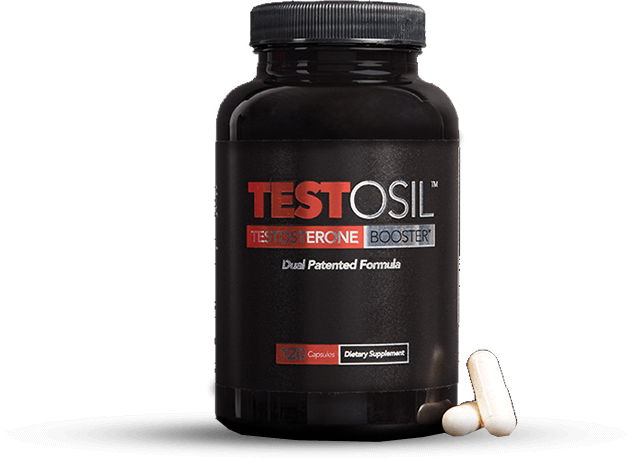
It’s a premium, clinically-formulated testosterone booster that combines 12 natural ingredients — each one selected based on actual scientific evidence, not marketing convenience. What sets it apart isn’t just the ingredient list. It’s the dosing, the quality, and most importantly, the results.
The standout ingredient in Testosil is KSM-66 Ashwagandha — the most concentrated, bioavailable form of ashwagandha root extract available anywhere.
A landmark clinical trial showed that men taking KSM-66 experienced a 167% increase in testosterone levels compared to a placebo group.
Read that again. 167%.
That’s not a typo, and it’s not a cherry-picked outlier. It’s a peer-reviewed, double-blind, placebo-controlled study. The kind of evidence that actually means something.
But Testosil doesn’t stop at ashwagandha. Its full formula includes:
- D-Aspartic Acid — stimulates luteinizing hormone (LH) release from the pituitary gland, which directly triggers testosterone production in the testes
- Fenugreek Extract — helps block the conversion of testosterone into estrogen, keeping more usable T in your system
- Panax Ginseng — shown to improve libido, energy, and sexual performance while supporting overall hormonal health
- ZMA (Zinc, Magnesium, Vitamin B6) — a powerful combination that addresses two of the most common mineral deficiencies directly linked to low testosterone
- Vitamin D3 — works at the hormonal level to directly support testosterone synthesis
- Garlic Extract — often overlooked, but research shows allicin in garlic can significantly reduce cortisol, creating a more favorable hormonal environment for testosterone production
- L-Arginine — supports nitric oxide production, improving blood flow and sexual function
What makes Testosil particularly compelling is its lifetime money-back guarantee.
Not 30 days. Not 60 days. Lifetime.
That’s the kind of confidence a company only has when the product genuinely delivers. It’s manufactured in an FDA-registered, GMP-certified facility — which means what’s on the label is actually in the capsule, at the correct dose.
That’s not something every supplement brand can say.
Who is Testosil best suited for?
- Men over 30 noticing a gradual decline in energy, drive, and performance
- Men who want a natural alternative before exploring TRT
- Men already training and eating well who want to optimize their hormonal output
- Men who’ve tried other testosterone boosters and been let down
Most users report beginning to notice improvements in energy and mood within the first two to three weeks. More significant changes — stronger libido, better gym performance, improved body composition — tend to show up in the four to eight week range with consistent daily use.
Boost testosterone
up to 434% more
than exercise alone
12 natural ingredients. Doctor recommended.
No prescription needed.
Lifetime money-back guaranteeSee results — or every penny back. No questions asked.
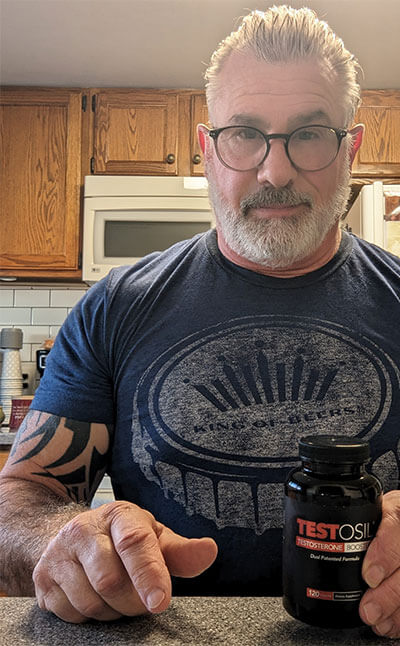
“My energy level is way up and my motivation to exercise has been better as well. I’m working out 3–4 times a week, I’ve gained back the muscle mass that I lost — not bad for 68 years old — and I’m sleeping much better. I highly recommend it.”
— Frank P. Verified buyer · Testosil.comTestosil isn’t a shortcut. But for men doing the right things and wanting to give their testosterone every possible natural advantage, it’s the most complete option on the market right now.
Click Here To Read Complete Testosil Review
Other Supplements With Solid Evidence
Testosil covers most of the bases in one formula. But if you want to understand what else has legitimate science behind it, here’s a quick breakdown.
Tongkat Ali (Longjack) is an herb from Southeast Asia with a growing body of research. Studies suggest it can increase free testosterone by reducing sex hormone-binding globulin (SHBG) — the protein that binds testosterone and renders it inactive in the body.
Standalone Zinc and Vitamin D are worth adding if you know you’re deficient in either. No amount of other supplementation will fully compensate for a foundational deficiency in these two nutrients. Get your levels tested and supplement accordingly.
What to skip: testosterone “booster” blends sold at big-box supplement stores that are underdosed, poorly formulated, and backed by nothing but flashy packaging. If a label claims to “triple your testosterone in 30 days” with no clinical evidence, put it back on the shelf.
And always talk to your doctor before starting any new supplement — especially if you’re on medications or have underlying health conditions.
Testosterone Replacement Therapy (TRT) — Is It Right for You?
Sometimes lifestyle changes and supplements aren’t enough. And that’s completely okay.
TRT is a medically supervised treatment where testosterone is administered externally to bring your levels back into a healthy range. It’s not cheating. It’s not a shortcut. For men with clinically low testosterone, it can be genuinely life-changing.
There are several delivery methods, each with their own pros and cons:
- Injections — typically testosterone cypionate or enanthate, administered weekly or bi-weekly. This is the most common and cost-effective method. Levels can fluctuate between injections, which some men notice as energy peaks and dips throughout the week.
- Gels — applied daily to the skin. More stable levels, but there’s a transfer risk to partners or children if skin contact occurs before the gel dries completely.
- Patches — worn on the skin and changed daily. Convenient but can cause skin irritation in some men.
- Pellets — small pellets implanted under the skin every three to six months. Very stable levels, but the procedure is minor surgery and adjusting the dose is harder once they’re in.
Who is a good candidate for TRT?
Men with confirmed low testosterone on two separate morning blood tests, who are experiencing significant symptoms, and who haven’t seen adequate improvement through lifestyle changes alone.
The benefits are real — improved energy, stronger libido, better mood, increased muscle mass, and reduced body fat. Many men describe it as feeling like themselves again for the first time in years.
But it’s not without risks. TRT can suppress the body’s own testosterone production and reduce sperm count — which matters significantly if you’re planning to have children.
It can also raise red blood cell count (polycythemia), potentially increasing cardiovascular risk if not properly monitored.
This is why regular blood work is non-negotiable on TRT. You should be checking testosterone, estradiol, hematocrit, PSA, and lipids on a consistent schedule.
Find a doctor who specializes in men’s health or endocrinology. Avoid clinics that prescribe without thorough evaluation — they do exist, and they’re not serving your best interests.
If fertility is a concern, discuss alternatives like clomiphene citrate (Clomid) or HCG, which can raise testosterone while preserving sperm production.
Lifestyle Habits That Quietly Kill Your Testosterone
Sometimes the biggest threat to your testosterone isn’t a medical condition. It’s your daily habits.
Alcohol is a major one. Even moderate drinking — three to four drinks a few times a week — has been shown to lower testosterone by increasing estrogen conversion, impairing testicular function, and disrupting sleep architecture.
Heavy drinking is significantly worse. The liver is responsible for clearing excess estrogen from the body. When it’s busy processing alcohol, estrogen builds up and creates a less-than-ideal hormonal environment.
Obesity and low testosterone feed each other in a vicious cycle. Low T makes it harder to build muscle and easier to gain fat. More body fat lowers testosterone further. Breaking this cycle often requires attacking both problems simultaneously.
Sitting for hours every day is worse than most people realize. Sedentary behavior is independently associated with lower testosterone, poor metabolic health, and elevated cortisol. Even if you exercise for an hour a day, sitting for the other 15+ hours partially offsets those gains.
Break up long sitting periods. Stand up, walk around, and stretch every 45 to 60 minutes. It sounds minor, but the cumulative metabolic impact is significant over time.
Environmental toxin exposure is something most men completely overlook. BPA in plastic water bottles and food containers, phthalates in synthetic fragrances and personal care products, and pesticide residues on produce all have documented endocrine-disrupting effects.
Small swaps make a real difference. Use glass or stainless steel water bottles. Choose fragrance-free or natural personal care products. Wash produce thoroughly before eating.
Finally — and this one surprises people — social isolation and lack of purpose are emerging as meaningful factors in hormonal health. Studies have shown that men with strong social bonds, clear goals, and a sense of purpose tend to have higher testosterone levels.
Testosterone isn’t just shaped by what you eat and how you train. It’s shaped by how fully you’re living.
How Long Does It Take to Fix Low Testosterone?
This is the question everyone wants answered. And the honest answer is: it depends.
For natural methods, think in terms of months, not weeks. Most men who commit to a solid protocol — improved sleep, resistance training, dietary changes, stress reduction, and a quality supplement like Testosil — begin noticing symptomatic improvements within four to eight weeks.
Measurable changes in blood testosterone levels typically show up on retesting at the three to six month mark.
Don’t retest after three weeks and declare failure. Give your body the time it needs to respond.
TRT works faster. Most men report noticeable improvements in energy and mood within two to four weeks of starting treatment. Libido and sexual function often improve within three to six weeks. Full body composition changes typically take three to six months of consistent treatment.
Track your progress in multiple ways:
- Retest blood testosterone every three months initially
- Keep a simple symptom journal — rate your energy, libido, mood, and gym performance weekly
- Monitor body composition changes, not just the number on the scale
One thing that trips people up is expecting a perfectly linear improvement. Some weeks you’ll feel great. Others, not so much. Hormonal optimization is not a straight line — it never has been.
Set realistic expectations. If your testosterone has been low for years, rebuilding your health doesn’t happen overnight. But the men who stay consistent — who treat this as a long-term investment rather than a quick fix — almost always see meaningful, lasting results.
You didn’t get here overnight. You won’t get out overnight either. But every single step in the right direction counts.
Conclusion
Low testosterone is not a character flaw, a sign of weakness, or something you just have to live with.
It’s a physiological issue — and physiological issues have solutions.
Whether your path involves cleaning up your diet, finally prioritizing sleep, hitting the weights consistently, managing stress better, trying a clinically-backed supplement like Testosil, or working with a doctor on TRT — there are real, proven options available to you.
The worst thing you can do is nothing. The second worst is trying everything at once, burning out in two weeks, and quitting.
Pick two or three things from this guide that feel most relevant to your situation. Start there. Build momentum. Then layer in more over time.
Your energy, your strength, your drive, your mood — all of it can come back. Men do it every single day.
Now it’s your turn.
Always consult with a qualified healthcare provider before making changes to your health regimen or starting any new treatment. This article is for informational purposes only and does not constitute medical advice.