What Causes Low Testosterone in Men? 12 Surprising Reasons Your T-Levels Are Dropping in 2026
Here is a statistic that should stop you in your tracks.
According to research published in the Journal of Clinical Endocrinology & Metabolism, average testosterone levels in men have been declining by roughly 1% every single year since the 1980s — independent of aging.
That means a 40-year-old man today has significantly lower testosterone than a 40-year-old man did just two generations ago.
So what is going on?
Why are so many men — including young men in their 20s and 30s — experiencing fatigue, low sex drive, brain fog, difficulty building muscle, and unexplained weight gain?
The answer is rarely simple.
Low testosterone — clinically known as hypogonadism — is almost never caused by one thing in isolation. More often, it is the result of multiple overlapping factors: lifestyle choices, chronic health conditions, nutritional deficiencies, environmental exposures, and psychological stressors all playing their part simultaneously.
In this guide, I am going to walk you through the most common and clinically recognized causes of low testosterone in men. I will explain what the science actually says, why each cause matters, and what you can realistically do about it.
Let’s get into it.
What Is Low Testosterone — and How Do You Know If You Have It?
Before we talk about what causes low testosterone, it helps to understand exactly what we mean by the term.
Testosterone is the primary male sex hormone — produced mainly in the Leydig cells of the testes and regulated by a feedback loop involving the brain’s hypothalamus and pituitary gland. It governs far more than just sex drive.
Testosterone is directly involved in muscle mass and strength, bone density, fat distribution, red blood cell production, mood regulation, cognitive function, energy levels, and sleep quality.
Clinically, low testosterone is defined as a total testosterone level below 300 nanograms per deciliter (ng/dL) on a blood test, though many men experience significant symptoms at levels that technically fall within the “normal” range.
This is an important point.
Normal is a wide range — roughly 300 to 1,000 ng/dL in adult men — and a man who tests at 310 ng/dL is technically “in range” but may feel significantly worse than one testing at 700 ng/dL.
Based on Massachusetts Male Aging Study data & Endocrine Society guidelines. Individual levels vary significantly.
Symptoms of low testosterone include persistent fatigue and low energy, reduced sex drive, erectile dysfunction, loss of muscle mass despite training, increased body fat particularly around the abdomen, depression and irritability, difficulty concentrating, poor sleep, and reduced body hair.
If several of those symptoms resonate with you, a blood test is worth having.
Your doctor will typically measure both total testosterone and free testosterone. Total testosterone is the overall level in your blood. Free testosterone is the portion not bound to proteins and therefore biologically active — this is the number that often matters more for how you actually feel.
There are also two distinct types of hypogonadism.
Primary hypogonadism occurs when the problem lies in the testes themselves — they are not producing enough testosterone despite receiving the appropriate signals from the brain.
Secondary hypogonadism occurs when the problem is upstream — in the pituitary gland or hypothalamus — which fails to send the right signals to the testes in the first place.
Understanding which type you have matters enormously for treatment, which is why a proper diagnosis from a doctor rather than self-diagnosis is essential.
Age — The Most Unavoidable Cause of Declining Testosterone
Let’s start with the one cause nobody can escape.
Testosterone in men peaks in the late teens and early 20s — typically between ages 17 and 22. After that, the decline begins.
From the mid-30s onward, testosterone drops by approximately 1 to 2% per year.
That rate of decline sounds modest on paper. But compound it over 10, 15, or 20 years and the cumulative effect becomes significant — particularly when combined with other factors we will cover below.
The biology behind age-related testosterone decline involves two main mechanisms.
First, the Leydig cells in the testes — the cells responsible for producing testosterone — become less numerous and less efficient with age.
Second, levels of SHBG (sex hormone binding globulin) increase as men age. SHBG is a protein that binds to testosterone in the blood, rendering it inactive. Higher SHBG means more testosterone is bound and unavailable — so even if total testosterone remains acceptable, free testosterone can drop significantly.
Here is something important to understand, though.
Age-related testosterone decline is real and unavoidable, but the rate and severity are heavily influenced by lifestyle.
Men who sleep well, exercise consistently, maintain a healthy body weight, eat a nutritious diet, and manage stress effectively tend to maintain significantly higher testosterone levels into their 50s and 60s than men who do not.
Age is not destiny. It is the baseline that everything else is layered on top of.
For men over 40 who want to slow the hormonal decline, the most impactful interventions are resistance training, prioritizing sleep, reducing alcohol consumption, getting vitamin D levels checked and corrected if deficient, and considering a clinically-backed natural testosterone support supplement.
Obesity and Excess Body Fat — How Being Overweight Destroys Testosterone
This is one of the most significant and most overlooked causes of low testosterone — and it works through a mechanism most people are completely unaware of.
Fat tissue — particularly visceral fat, the deep abdominal fat that wraps around your internal organs — contains an enzyme called aromatase.
Aromatase converts testosterone into estrogen.
The more visceral fat you carry, the more testosterone is being converted into estrogen on an ongoing basis — around the clock, not just during exercise or stress.
This is why obese men typically have significantly lower testosterone and higher estrogen than lean men of the same age. It is not just that excess fat is a symptom of low testosterone — though it is that too. It is an active driver of it.
The relationship between obesity and testosterone is what researchers call bidirectional.
Low testosterone causes the body to store more fat, particularly viscerally.
More visceral fat lowers testosterone further through aromatization.
And lower testosterone causes even more fat storage.
It is a self-reinforcing cycle that gets harder to break the longer it continues — which is why early intervention matters so much.
The encouraging news is that the research on weight loss and testosterone is consistently positive.
A study published in the European Journal of Endocrinology found that obese men who lost 10% of their body weight showed clinically significant increases in testosterone — without any other intervention.
You do not need to reach an elite athlete’s body composition to see meaningful hormonal improvement. Even modest, sustained fat loss — particularly loss of visceral fat through a combination of caloric deficit and resistance training — creates measurable improvement in testosterone levels.
Chronic Stress and Elevated Cortisol — The Silent Testosterone Killer
If there is one factor in modern life that deserves far more attention in the context of low testosterone, it is chronic psychological stress.
Not acute stress — the kind you feel before a presentation or a difficult conversation. The body handles that well.
Chronic stress. The unrelenting, background-hum kind that comes from financial pressure, job insecurity, difficult relationships, poor work-life balance, and the general demands of modern life.
When you are chronically stressed, your body produces cortisol — the primary stress hormone — in sustained elevated amounts.
And cortisol and testosterone have a deeply antagonistic relationship.
Cortisol suppresses the production of gonadotropin-releasing hormone (GnRH) in the hypothalamus — the hormone that initiates the entire cascade leading to testosterone production.
There is also a more direct biochemical mechanism called the “pregnenolone steal.“
Pregnenolone is the precursor hormone that your body uses to manufacture both cortisol and testosterone.
Under chronic stress, the body diverts pregnenolone toward cortisol production as a survival priority — leaving less available for testosterone synthesis.
Think of it this way: your body is deciding between being on alert for danger or being reproductively active.
Under chronic stress, alert wins every time.
The practical implications of this are significant.
A man who is eating well, training consistently, and sleeping adequately but living under chronic work or relationship stress can still have markedly suppressed testosterone — because the cortisol-testosterone antagonism operates independently of those other variables.
Managing chronic stress is not soft or optional. It is a legitimate hormonal intervention.
Evidence-based approaches include regular resistance training (which paradoxically reduces cortisol over time despite raising it acutely), consistent sleep, protecting time for genuine rest and recovery, and adaptogens like ashwagandha — specifically the KSM-66 extract — which has strong clinical evidence for reducing cortisol by up to 32% with consistent use.
Poor Sleep and Sleep Disorders — How Bad Nights Wreck Your Hormones
Most people understand that poor sleep makes them feel bad.
Fewer people understand that poor sleep is actively and measurably lowering their testosterone.
Here is the mechanism.
The majority of the day’s testosterone production occurs during sleep — specifically during the slow-wave (deep) and REM sleep phases.
Testosterone levels are at their highest first thing in the morning, after a full night of restorative sleep. They decline throughout the day.
When sleep is disrupted, shortened, or fragmented, this testosterone production window is compromised.
A landmark study from the University of Chicago found that men who slept just five hours per night for one week showed testosterone levels 10 to 15% lower than after a full night of sleep.
For context, that is a decline equivalent to aging 10 to 15 years hormonally — achieved in just one week of sleep restriction.
Sleep apnea deserves particular attention.
Obstructive sleep apnea — a condition where the airway partially or fully collapses during sleep, causing repeated oxygen deprivation — is strongly associated with low testosterone, even in men who are otherwise healthy.
The repeated interruptions to deep sleep stages prevent the testosterone production surges that normally occur overnight.
Research has found that treating sleep apnea with CPAP therapy often produces significant improvements in testosterone levels — sometimes enough to eliminate the need for other interventions.
If you snore heavily, wake feeling unrefreshed, feel excessively tired during the day, or have been told you stop breathing during sleep, getting evaluated for sleep apnea is one of the highest-value steps you can take for your testosterone and overall health.
For sleep optimization more broadly: maintain a consistent sleep and wake time seven days a week, keep your bedroom cool and completely dark, cut off caffeine by early afternoon, limit alcohol in the evening (it disrupts sleep architecture even when it helps you fall asleep), and keep screens out of the bedroom.
Poor Diet and Nutritional Deficiencies — What You Eat Determines What Your Body Produces
Testosterone is a hormone — and like all hormones, it is built from nutritional raw materials.
When those raw materials are missing or inadequate, production suffers.
Several specific nutritional deficiencies are directly and strongly linked to low testosterone.
Zinc deficiency is perhaps the most significant.
Zinc is required as a cofactor in the enzymatic processes that produce testosterone, and zinc is lost through sweat — meaning men who train regularly are actively depleting it.
A landmark study published in Nutrition found that zinc supplementation in zinc-deficient men produced significant testosterone increases. Conversely, restricting zinc in previously adequate men caused testosterone to drop significantly within weeks.
Good dietary sources of zinc include oysters (the richest source by far), red meat, shellfish, pumpkin seeds, and eggs.
Vitamin D is the second major nutritional driver of testosterone.
Technically a prohormone rather than a true vitamin, vitamin D receptors exist in the Leydig cells responsible for testosterone production.
A year-long randomized controlled trial published in Hormone and Metabolic Research found that men supplementing with approximately 3,300 IU of vitamin D3 daily had significantly higher testosterone at the end of the study compared to the placebo group.
Vitamin D deficiency affects an estimated 40 to 70% of people in northern latitudes and is startlingly common even in sun-exposed populations who use sunscreen consistently.
Getting your vitamin D level tested as part of a routine blood panel is straightforward and worth doing.
Dietary fat is a third nutritional factor that directly impacts testosterone.
Cholesterol is the direct precursor to all steroid hormones — including testosterone. Without adequate dietary fat and cholesterol, the body simply does not have the raw material to produce testosterone at optimal levels.
This is why extremely low-fat diets consistently show suppressed testosterone in research. Healthy fats from sources like whole eggs, extra virgin olive oil, avocado, fatty fish, and mixed nuts are essential — not optional — for men trying to optimize hormone levels.
Ultra-processed foods and excessive sugar create chronic inflammation and insulin resistance, both of which are associated with lower testosterone.
Research consistently shows that men who eat more whole, minimally processed foods have higher testosterone than those who rely heavily on packaged, processed, high-sugar foods — even when controlling for total calorie intake and body weight.
Sedentary Lifestyle and Lack of Exercise — Move More, Make More Testosterone
Physical inactivity is one of the most modifiable drivers of low testosterone — and one of the most common in modern life.
Sitting for the majority of the day, doing minimal physical activity, and avoiding the gym creates a hormonal environment that strongly favors fat gain, insulin resistance, and testosterone suppression.
The mechanism is partly direct — exercise, particularly resistance training, produces an acute testosterone spike and supports higher baseline testosterone over time.
And partly indirect — sedentary behavior leads to increased body fat, reduced insulin sensitivity, and higher cortisol, all of which independently suppress testosterone.
The research on resistance training and testosterone is robust and consistent.
Heavy compound movements — squats, deadlifts, bench press, rows, overhead press — recruit the largest muscle groups and produce the strongest hormonal stimulus.
Studies comparing sedentary men to men who lift weights consistently show meaningfully higher testosterone in the lifters, with the difference growing more pronounced with age.
However — and this is important — too much exercise without adequate recovery can have the opposite effect.
Overtraining, particularly when combined with high volumes of endurance cardio and insufficient calories or sleep, chronically elevates cortisol and suppresses testosterone.
Marathon runners and high-volume endurance athletes often show significantly lower testosterone than both sedentary men and recreational strength trainers.
The sweet spot for testosterone optimization appears to be three to five sessions of resistance training per week, with compound movements prioritized, session lengths kept under 60 minutes, and adequate rest between sessions.
Two to three moderate cardio sessions per week for cardiovascular health are fine and supportive. It is the chronic, extreme endurance work without recovery that creates the problem.
Alcohol, Drugs, and Medications — Chemical Causes of Low Testosterone
What you put into your body has a direct impact on what your body produces.
Alcohol is one of the most significant and underappreciated causes of low testosterone.
The mechanism operates at multiple levels.
Alcohol directly impairs the function of Leydig cells in the testes.
It disrupts the hypothalamic-pituitary-gonadal (HPG) axis — the hormonal feedback loop that regulates testosterone production.
It disrupts sleep architecture, reducing time in slow-wave and REM sleep — the phases when testosterone production is highest.
And it raises cortisol, which further suppresses testosterone.
Controlled studies have found that regular moderate-to-heavy drinking reduces testosterone by 6 to 7% — and that chronic alcohol abuse causes significantly greater suppression, often to the point of clinical hypogonadism.
Even moderate regular drinking is not harmless from a hormonal perspective.
Recreational drugs tell a similar story.
Cannabis use has been associated with lower testosterone in several studies, though the research is somewhat mixed.
Opioid use — both prescription and recreational — is a well-established cause of secondary hypogonadism and is increasingly common as opioid prescribing has expanded over recent decades.
Anabolic steroid use creates a paradox worth understanding.
Men who use exogenous anabolic steroids to increase testosterone actually suppress their body’s own natural production — because the feedback system detects the high external testosterone levels and shuts down the internal production machinery.
When steroid use stops, natural production often takes months to years to recover, and in some cases never fully does.
This is why post-cycle therapy (PCT) exists — but it is also why anabolic steroid use carries significant long-term hormonal risk.
Prescription medications are another commonly overlooked cause of low testosterone.
Statins (cholesterol-lowering drugs) impair the production of cholesterol — the raw material for testosterone.
Opioid painkillers suppress the HPG axis directly.
Certain antidepressants — particularly SSRIs — are associated with reduced libido and sexual function, partly through testosterone-related mechanisms.
Corticosteroids like prednisone suppress testosterone production with prolonged use.
Some blood pressure medications, particularly beta-blockers and certain diuretics, are also associated with hormonal effects.
If you are on any long-term prescription medication and experiencing symptoms of low testosterone, it is worth raising the question with your prescribing doctor — not to stop medication that you need, but to understand whether the medication could be contributing and whether alternatives exist.
Chronic Illness and Medical Conditions That Cause Low Testosterone
Sometimes low testosterone is not primarily a lifestyle issue.
It is a consequence of an underlying medical condition that disrupts the hormonal system.
Type 2 diabetes and insulin resistance are among the most strongly and consistently linked medical predictors of low testosterone.
The relationship is bidirectional — insulin resistance lowers testosterone, and low testosterone worsens insulin resistance — creating a cycle that both conditions perpetuate.
Research has found that men with type 2 diabetes are twice as likely to have low testosterone as men without it, even after controlling for age and obesity.
Hypothyroidism — an underactive thyroid — disrupts the entire hormonal cascade, including testosterone.
The thyroid regulates metabolism and influences virtually every hormonal system in the body. When thyroid function is impaired, testosterone production and signaling are often affected.
Hypothyroidism is commonly underdiagnosed and is worth screening for, particularly in men experiencing fatigue, weight gain, and low testosterone symptoms that do not respond to lifestyle changes.
Liver disease impairs the metabolism and clearance of sex hormones, altering the testosterone-to-estrogen ratio.
Men with cirrhosis or significant liver damage often show elevated estrogen and reduced testosterone as a result.
Kidney disease similarly disrupts hormonal balance — both chronic kidney disease and the treatments used for it (dialysis, certain medications) can suppress testosterone production.
Pituitary tumors — including prolactinomas (benign tumors that produce excess prolactin) — can suppress the pituitary signals that stimulate testosterone production.
This is one reason why severely elevated prolactin levels in a man should prompt investigation for a pituitary abnormality.
Klinefelter syndrome is a genetic condition where men are born with an extra X chromosome (XXY).
It is one of the most common chromosomal abnormalities in men but is frequently undiagnosed until a man presents with infertility or low testosterone symptoms. It typically causes primary hypogonadism and often requires testosterone replacement therapy.
Cancer treatments — chemotherapy and radiation, particularly when targeting the pelvic region — can damage the testes and significantly suppress testosterone production.
This is an important consideration for cancer survivors experiencing hormonal symptoms, and testosterone evaluation should be part of post-treatment follow-up care.
Environmental Toxins and Endocrine Disruptors — The Hidden Hormonal Threat
This is the cause of low testosterone that most men have never heard of.
And it may be contributing to the population-level testosterone decline we discussed at the opening of this article.
Endocrine disruptors are chemical compounds found in the environment, food packaging, personal care products, and everyday household items that interfere with the body’s hormonal signaling.
Many of them are xenoestrogens — chemicals that mimic estrogen in the body.
When xenoestrogens bind to estrogen receptors and trigger estrogenic activity, they tip the testosterone-to-estrogen ratio in the wrong direction.
BPA (bisphenol-A) and phthalates — found in many plastic food containers, water bottles, canned food linings, and plastic packaging — are among the most extensively studied.
Multiple studies have found associations between urinary BPA levels and lower testosterone in men.
Phthalates, found in everything from plastic wrap to personal care products, have been shown in research to impair Leydig cell function — directly interfering with the cells responsible for testosterone production.
The shift toward BPA-free plastics has addressed one compound, but BPA replacements like BPS appear to have similar hormonal effects — meaning switching to “BPA-free” plastic does not fully solve the problem.
Using glass, stainless steel, or ceramic containers for food and drink is the most practical way to reduce daily exposure.
Pesticides and herbicides — particularly organochlorine pesticides — have documented endocrine-disrupting effects.
Research on agricultural workers and communities with high pesticide exposure consistently shows elevated rates of hormonal disruption, including lower testosterone.
Eating organic produce where possible, and washing all conventional produce thoroughly, reduces dietary pesticide exposure.
Heavy metals — lead, cadmium, and mercury — are environmental pollutants with documented testicular toxicity.
Lead exposure, even at levels below what is considered clinically dangerous, has been associated with impaired testosterone production in several studies.
Cadmium, found in cigarette smoke and certain industrial exposures, also interferes with Leydig cell function.
Practical steps to reduce heavy metal exposure include quitting smoking, avoiding high-mercury fish (shark, swordfish, king mackerel) and choosing lower-mercury options like salmon, sardines, and trout.
Filtering drinking water — particularly in older homes with lead pipes — is also worth considering.
How to Treat and Reverse Low Testosterone Naturally
Here is the genuinely encouraging part of this article.
The vast majority of what causes low testosterone in men is modifiable.
Not all of it. Age is real. Genetic conditions exist. Some medical causes require medical treatment.
But the lifestyle-driven factors — sleep, diet, body composition, exercise, stress, alcohol, environmental toxin exposure — represent the largest and most addressable slice of the problem for most men.
The intervention hierarchy looks like this.
Sleep first. Seven to nine hours, consistent timing, dark and cool room, no alcohol before bed. This is where your testosterone is actually manufactured. Everything else is secondary.
Diet second. Adequate total calories, high protein, sufficient healthy fats, plenty of zinc- and vitamin D-rich foods, and a deliberate move away from ultra-processed food and excess sugar.
Exercise third. Resistance training three to five times per week with compound movements as the foundation. Keep sessions under 60 minutes. Be progressive. Do not overtrain.
Stress fourth. This is not optional. Chronic cortisol is actively dismantling your testosterone production. Address the sources of chronic stress in your life — through whatever means genuinely works for you.
Supplementation fifth.
For men with identified deficiencies, correcting zinc and vitamin D levels through diet and supplementation is a high-priority, evidence-based first step.
For men who want to go further, a well-formulated natural testosterone booster with clinically-validated ingredients can meaningfully amplify what lifestyle changes are already achieving.
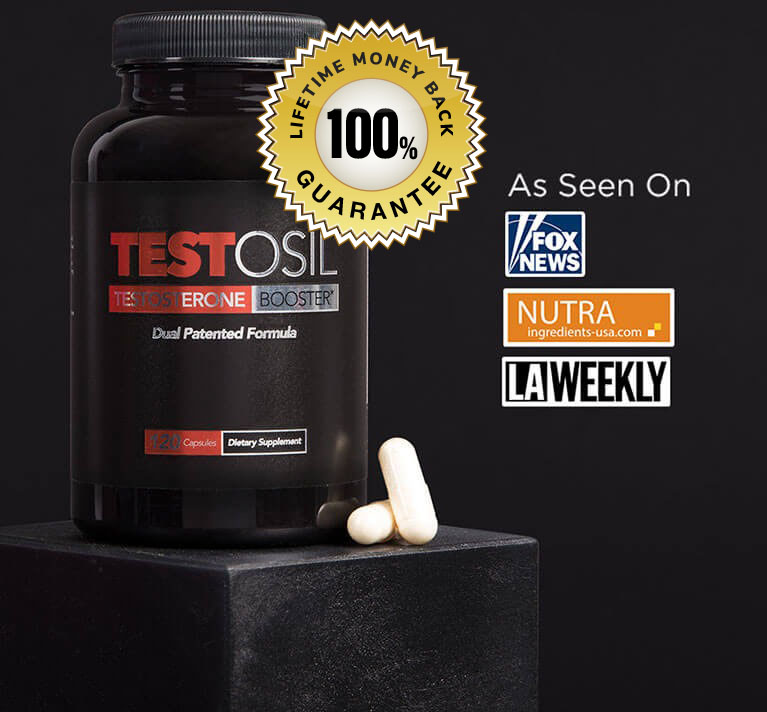
Testosil is the supplement that most directly addresses the hormonal needs of men with low testosterone.
Built around KSM-66 ashwagandha — the most clinically-studied ashwagandha extract available — Testosil has been shown to support testosterone levels by 434% more than exercise alone.
That is not a marketing exaggeration. That figure comes from clinical research on the KSM-66 extract comparing men taking it alongside exercise to men who exercised without it.
Alongside KSM-66, Testosil contains D-aspartic acid, fenugreek, zinc, vitamin D3, magnesium, panax ginseng, and AstraGin — each ingredient included at clinically relevant doses and backed by published research.
It is doctor-recommended, contains no banned substances, requires no prescription, and comes with a lifetime money-back guarantee — making it genuinely risk-free to try.
More Power. More Muscle. More Testosterone.
increase
reduction
see results
buyer rating
Click Here To Read My Honest and Detailed Testosil Review
Testosterone replacement therapy (TRT) is the medical intervention for men with clinically confirmed, significantly low testosterone that has not responded to lifestyle and natural supplementation.
TRT involves administering synthetic testosterone via injections, gels, patches, or pellets to bring levels back into a healthy range.
It is effective, but it comes with important considerations — it can suppress the body’s own testosterone production, may affect fertility, requires ongoing monitoring, and is a long-term commitment.
It is the right choice for some men — particularly those with primary hypogonadism or very severely suppressed levels. But it should be considered after lifestyle and natural approaches have been genuinely and consistently tried, not as a first resort.
The Bottom Line
Low testosterone is not something you have to simply accept as an inevitable part of getting older.
For most men, the causes are identifiable and the solutions are actionable.
Start with your sleep. Clean up your diet. Lift heavy weights consistently. Address your stress. Cut back on alcohol. Reduce your exposure to plastics and environmental toxins.
Get a blood test to understand where you actually stand — not just total testosterone but free testosterone, vitamin D, zinc, thyroid function, and metabolic markers.
If lifestyle changes are not moving the needle fast enough, Testosil provides clinically-validated nutritional support for testosterone production — without the risks, costs, or commitment of pharmaceutical intervention.
Your testosterone is not just a number.
It is your energy. Your drive. Your physical strength. Your mood. Your quality of life.
Take it seriously. Start today. And take it one change at a time — because the compound effect of consistent, well-directed effort on your hormonal health is more powerful than most men realize until they experience it firsthand.
Disclaimer: This article is for informational purposes only and does not constitute medical advice. Always consult a qualified healthcare professional before starting any supplement, changing your diet, or making decisions about medical treatment for low testosterone.