How to Fix Low Testosterone in Men: 12 Proven Ways to Boost Your T-Levels Naturally
You’re tired all the time. Your drive has flatlined, and the gym gains have stalled. If that sounds familiar, you may be dealing with low testosterone, and you’re far from alone.
How do you fix low testosterone in men? Start by confirming it. Low T means a total testosterone below 300 ng/dL plus symptoms, seen on two separate early-morning blood tests. One low result or symptoms alone isn’t enough.
Then treat any underlying cause and fix the big four: sleep 7–9 hours, lose excess body fat, lift weights 3–4 times a week, and eat enough protein, fat and micronutrients. These move testosterone more than any supplement.
Give it 3–6 months and retest. If levels are still low with symptoms, talk to a doctor about TRT, or about fertility-sparing options like clomiphene if you want children.
- Diagnosis needs both numbers and symptoms. One low test, or symptoms alone, isn’t enough.
- Lifestyle comes first. Sleep, body fat and resistance training move testosterone more than any supplement.
- Most supplement claims are overstated. A few have modest evidence; most do nothing.
- TRT works and is safer than once thought. The FDA removed its cardiovascular boxed warning in 2025, but it still suppresses fertility and needs monitoring.
- Be patient. Natural changes take 3–6 months to show on a blood test. Track symptoms weekly and retest at 12 weeks.
This guide walks you through diagnosis, causes, 12 fixes ranked from free and high-impact to medical, a timeline, and a 90-day plan you can start today.
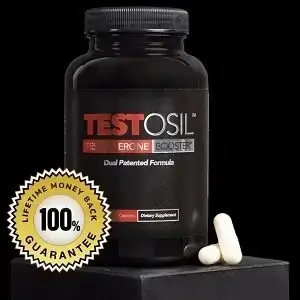
Testosil is the natural formula we’ve reviewed most closely, built around clinically studied KSM-66 ashwagandha. It works best alongside the lifestyle fixes below, not instead of them.
Do You Actually Have Low Testosterone?
Testosterone drives far more than sex drive. It shapes muscle mass, bone density, fat distribution, red blood cell production, mood, energy and focus. When it drops, everything feels like running on an empty tank.
The American Urological Association (AUA) estimates low testosterone affects about 2 in every 100 men overall. The rate climbs steeply with age: roughly 39% of men aged 45 and older have low levels (Ro, citing Mulligan 2006).
Common signs your testosterone might be low
- Constant fatigue, even after a full night’s sleep
- Low sex drive or weaker erections
- Loss of muscle mass despite training
- Increased body fat, especially around the belly
- Brain fog and poor concentration
- Low mood, irritability or a general flatness
- Thinning beard or reduced body hair
- Smaller or softer testicles
- Poor sleep
Many of these overlap with thyroid problems, depression, sleep apnea and plain burnout. So symptoms tell you to test; they don’t tell you the answer.
How low T is diagnosed
You need a blood test. Under the AUA guideline, low testosterone means a total testosterone level below 300 ng/dL plus symptoms or signs, confirmed on two separate early-morning tests (AUA). Neither a single low result nor symptoms alone qualifies (Urology Times).
Test between 7 and 10 a.m., when testosterone peaks. An afternoon draw can read falsely low.
The 300 cutoff isn’t the whole story for younger men. That threshold came largely from studies of men over 45. A study of more than 1,000 healthy men aged 20–44 suggested age-specific cutoffs of about 409 ng/dL at 20–24 and 350 ng/dL at 40–44 (AUA News). A 30-year-old reading 320 ng/dL is technically normal but may be low for his age.
Ask your doctor for the full panel
| Test | Why it matters |
|---|---|
| Total testosteroneMust-have | The main diagnostic number |
| Free testosteroneMust-have | The fraction your tissues can actually use |
| SHBG | High SHBG can leave free T low even when total T looks fine |
| LH (luteinizing hormone) | Shows whether the problem starts in the testes or the pituitary |
| Estradiol | Elevated levels often point to excess body fat |
| Prolactin | High levels can signal a pituitary issue |
| TSH | Rules out thyroid problems that mimic low T |
Already have results? Check where you stand with our testosterone calculator.
Find the Cause First
Before you fix something, you need to know what broke it in the first place. Treating the cause often raises testosterone on its own.
- Age. Levels fall gradually from the mid-30s. But an Australian study found men who stayed healthy saw no significant yearly decline, so age is rarely the whole story (Spartan, citing the study).
- Excess body fat. Fat tissue holds aromatase, the enzyme that converts testosterone into estrogen. Belly fat is the worst offender.
- Poor sleep and sleep apnea. Covered in fix #1.
- Medical conditions. Type 2 diabetes, metabolic syndrome, pituitary disorders, testicular injury, and chronic kidney or liver disease.
- Medications. Long-term opioids and corticosteroids are the most common culprits.
- Lifestyle. Heavy drinking, smoking, chronic stress and inactivity.
- Overtraining. Very high training volume with too little food and rest suppresses the hormonal axis.
If your LH is low or prolactin is high, see an endocrinologist before trying anything else. Those results can point to a pituitary problem that lifestyle changes won’t fix.
12 Evidence-Based Ways to Fix Low Testosterone
The fixes are ordered by impact and cost: free, high-impact habits first, medical options last. Most men should start with #1–#5.
1. Sleep 7–9 hours and get checked for sleep apnea
Most of your daily testosterone is released while you sleep. In a University of Chicago study (Leproult and Van Cauter, JAMA, 2011), young men restricted to five hours a night for one week saw daytime testosterone fall by 10–15%. That’s roughly a decade or more of normal aging, in seven days.
- Keep a fixed wake time, including weekends.
- Keep the bedroom dark and cool, around 18–20°C (65–68°F).
- Stop screens an hour before bed.
- If you snore loudly or wake exhausted, ask about a sleep study. Untreated obstructive sleep apnea is a common, overlooked cause of low T.
2. Lose excess body fat, slowly
Fat loss is one of the most reliable ways to raise testosterone in overweight men, because less fat means less aromatase. Low T and weight gain also feed each other: low T makes fat easier to gain, and more fat lowers T further.
Aim for 0.5–1% of body weight per week. Crash diets backfire; a large, sustained calorie deficit signals scarcity and suppresses hormone production.
3. Lift heavy with compound movements
If there’s one lifestyle change with the most direct effect, it’s resistance training. Spartan’s review of the research notes no single lifting style beats another; total training volume per muscle matters most (Spartan).
Build your week around compound lifts: squats, deadlifts, bench press, overhead press, barbell rows and pull-ups. They recruit the most muscle mass. A simple starting template:
| Day | Main lifts | Sets × reps |
|---|---|---|
| MONMonday | SquatBench pressBarbell row | 3–4 × 6–10 |
| WEDWednesday | DeadliftOverhead pressPull-ups | 3–4 × 6–10 |
| FRIFriday | Front squat or lungesIncline pressChin-ups | 3–4 × 8–12 |
Take at least two full rest days per week. The post-workout testosterone spike is short-lived; what raises your baseline is consistent training, muscle gained and fat lost over months.
4. Use HIIT, and don’t overdo endurance work
Short, intense intervals improve insulin sensitivity and body composition with little time cost. Very high-volume endurance training, especially with low food intake, is linked to lower testosterone in endurance athletes. Two short HIIT sessions plus daily walking is plenty for most men.
5. Eat enough protein, fat and carbs
Testosterone is made from cholesterol, so very low-fat diets tend to lower it. A good floor is about 1 g of fat per kg of body weight (Spartan). Protein at 1.6–2.2 g/kg supports muscle gain without needing more.
Don’t cut carbs to zero if you train hard. Studies generally find most men have higher testosterone when they don’t avoid carbohydrates, and active men fuel training better with them.
Foods worth eating regularly: whole eggs, fatty fish (salmon, sardines), red meat, oysters, olive oil, avocados, nuts and seeds, leafy greens, and cruciferous vegetables like broccoli. For a full meal plan, see our anti-inflammatory testosterone diet.
Limit: ultra-processed food, sugary drinks and alcohol. Normal amounts of soy foods have shown little effect on testosterone in human studies, so there’s no need to fear tofu.
6. Fix zinc, magnesium and vitamin D gaps
These three only help if you’re low, but deficiency is common, especially in men who sweat heavily or get little sun.
| Nutrient | Adult male daily target | Best food sources |
|---|---|---|
| ZnZinc | ~11 mg | OystersBeefPumpkin seedsCrab |
| MgMagnesium | ~400–420 mg | Leafy greensPumpkin seedsBlack beansDark chocolate |
| DVitamin D | ~600 IUMore if deficient, per your doctor | Sun exposureFatty fishEgg yolks |
Sources: zinc and vitamin D targets from FamilyDoctor.org.
In a small 12-month trial of men low in vitamin D (Pilz et al., 2011), supplementation raised testosterone compared with placebo. Get a 25(OH)D blood test before dosing heavily.
7. Cut back on alcohol and quit nicotine
Alcohol lowers testosterone directly in the testes, raises estrogen while your liver is busy clearing it, and wrecks deep sleep. Nicotine adds to the damage. A practical limit for men trying to raise T is one or two drinks, once or twice a week (Spartan).
8. Bring chronic stress down
Cortisol and testosterone tend to move in opposite directions. Short bursts of stress are fine; months of work pressure, money worries and poor sleep keep cortisol high and testosterone low.
- Walk outside for 20 minutes a day.
- Try slow breathing with long exhales for 5 minutes before bed.
- Keep cold showers brief; long cold exposure is itself a stressor.
- Protect time with friends. Strong social ties and a sense of purpose are linked to healthier hormone profiles.
- Cut back on late-night news and social media.
9. Review your medications with your doctor
Long-term opioids and corticosteroids commonly suppress testosterone, and some other drugs can too. Never stop a prescription on your own, but ask whether an alternative exists.
10. Reduce endocrine disruptors
BPA in some plastics and phthalates in many fragrances can interfere with hormone signaling. Total avoidance isn’t realistic, but easy swaps help:
- Drink from glass or stainless steel bottles.
- Don’t microwave food in plastic.
- Choose fragrance-free personal care products.
- Wash produce well.
11. Consider a supplement, with realistic expectations
The supplement aisle is packed with overhyped products. A few ingredients have real but modest evidence; most have none. Here’s where the main ones stand:
| Ingredient | Evidence | What the research shows |
|---|---|---|
| AshwagandhaKSM-66 extract | Moderate | Raised testosterone about 15–17% more than placebo in 8-week trials (NutraIngredients); some earlier trials found no difference (Examine) |
| Vitamin DIf deficient | Good | Helps men who are low; little effect if levels are already normal |
| ZincIf deficient | Good | Corrects a deficiency; doesn’t push normal levels higher |
| Tongkat AliLongjack | Limited | Small studies suggest it may raise free testosterone |
| Fenugreek | Limited | Mixed results; may help libido more than lab values |
| D-Aspartic acid | Weak | Helped untrained men in early studies, but showed no benefit in resistance-trained men (Melville 2017, Willoughby 2013) |
For a closer look at individual options, see our guide to the best supplements for low testosterone symptoms.
Testosil
Natural testosterone support built around KSM-66 ashwagandha
Key benefits
- Supports healthy testosterone: KSM-66 raised T about 15–17% vs placebo in 8-week trials
- Libido and sexual well-being: ashwagandha improved sexual function scores in men
- Lower stress: ashwagandha has been shown to reduce stress and cortisol
- Strength and recovery: KSM-66 users gained more strength than placebo in a lifting study
- Covers nutrient gaps: adds zinc, magnesium and vitamin D3, plus fenugreek
Safety: Generally well tolerated in studies up to 3 months; mild stomach upset or drowsiness are the most common side effects. Not for men with liver disease or thyroid conditions, or those on thyroid, sedative or immune-suppressing medication, without a doctor’s OK.
Read Our Full Testosil Review →If you want a combined formula: Testosil is the one we’ve reviewed most closely. It’s built around a clinical dose of KSM-66 ashwagandha alongside fenugreek, zinc, magnesium and vitamin D3. It’s best suited to men over 30 who already have sleep, training and diet in order and want to cover their nutrient bases. Expect changes in energy and mood over 4–8 weeks, not a dramatic jump in lab values. Check the current label and the guarantee terms on the vendor’s site before buying.
Avoid any product that promises to “triple” or “skyrocket” your testosterone. No over-the-counter supplement does that. And check with your doctor first if you take other medications.
12. Talk to a doctor about medical treatment
If your levels are still below 300 ng/dL with symptoms after 3–6 months of solid lifestyle work, or you have a clear medical cause, medical treatment is the next step. There are two routes:
- Testosterone replacement therapy (TRT) replaces the hormone directly. It’s covered in detail in the next section.
- Fertility-sparing medication such as clomiphene (Clomid) or enclomiphene, sometimes with hCG. These push your own testes to make more testosterone and sperm, rather than shutting production down. Clomiphene is used off-label for this, so insurance may not cover it (Ro).
If you might want children in the next few years, start with the second route. Read more on low testosterone and male fertility.
TRT in 2026: What’s Changed
TRT is a medically supervised treatment that brings testosterone back into a healthy range. For men with confirmed deficiency it can be life-changing. It’s not cheating, and it’s not a shortcut. But it’s usually long-term, so the decision matters.
The regulatory picture has shifted
- February 2025: After the TRAVERSE trial, the FDA ordered class-wide label changes. Language about increased cardiovascular risk was removed from the boxed warning, and a new blood pressure warning was added (FDA).
- What TRAVERSE found: 5,246 men aged 45–80 with or at high risk of heart disease used testosterone gel or placebo. Major cardiac events occurred in 7.0% vs 7.3%, so testosterone was not worse than placebo (Urology Times).
- June 2026: HHS asked the FDA to update labels again: remove the limitation saying TRT’s safety and effectiveness aren’t established for age-related low T, and revise prostate cancer and enlarged-prostate warnings (AUA, Healio). These changes are proposed and may take time to appear on product labels.
The bottom line: TRT is now seen as safer for the heart than it was a decade ago. It still needs monitoring.
Delivery options
| Method | How often | Pros | Cons |
|---|---|---|---|
| INJInjectionsCypionate, enanthate | Weekly or every 2 weeks | Cheapest, most common | Peaks and dips between doses |
| GELGels | Daily | Steady levels | Can transfer to partners or children by skin contact |
| PATPatches | Daily | Convenient | Skin irritation in some men |
| ORALOral capsulesTestosterone undecanoate | Twice daily with food | No needles or gels | Newer; blood pressure needs watching |
| PELPellets | Every 3–6 months | Very stable levels | Minor procedure; hard to adjust dose |
Risks and monitoring
- Fertility: TRT shuts down your own production and usually lowers sperm count, sometimes to zero. Plan ahead if you want children.
- Red blood cells: It can raise hematocrit, thickening the blood.
- Blood pressure: Now a labeled warning for all products.
- Prostate: Men with a history of prostate cancer should know the evidence on risk is still limited (AUA).
Expect regular checks of testosterone, hematocrit, blood pressure, PSA and lipids. Choose a urologist, endocrinologist or men’s health specialist who runs the full workup. Avoid clinics that prescribe after a single test or no exam.
How Long Does It Take to Fix Low Testosterone?
Think in months, not weeks. Symptoms usually improve before blood numbers do.
| Approach | First changes you may feel | When to retest | Full effect |
|---|---|---|---|
| Better sleep | 1–2 weeksEnergy, mood | 8–12 weeks | 3 months |
| Fat loss + lifting | 4–8 weeksEnergy, strength | 12 weeks | 6–12 months |
| Fixing a deficiencyZinc, vitamin D | 4–8 weeks | 12 weeks | 3–6 months |
| Supplementse.g. ashwagandha | 4–8 weeks | 8–12 weeks | 2–3 months |
| TRTPrescribed by a doctor | 2–4 weeksEnergy, mood; libido at 3–6 weeks | 6–12 weeksAfter starting | 3–6 monthsFor body composition |
Progress won’t be a straight line. Some weeks you’ll feel great and others won’t. Track three things:
- Blood work every 3 months at first, always in the morning.
- A weekly symptom score: rate energy, libido, mood and gym performance from 1 to 10.
- Waist measurement and strength, not just scale weight.
Your 90-Day Action Plan
The worst thing you can do is nothing. The second worst is changing everything at once and quitting in two weeks. Layer the fixes in this order.
| Phase | Your checklist |
|---|---|
| Weeks 1–2Get your baselineYou can’t measure progress without a starting point. |
|
| Weeks 3–6Build the foundationThe habits that move testosterone the most. |
|
| Weeks 7–12Optimize and measureLayer in extras once the basics are automatic. |
|
| After week 12Decide your next stepLet your retest results guide you. |
|
If testosterone has risen and symptoms improved, keep going; gains continue for months. If levels are still below 300 ng/dL with symptoms, book a specialist appointment to discuss TRT or fertility-sparing options.
Frequently Asked Questions
Can low testosterone be reversed naturally?
Often, yes, when the cause is lifestyle: excess body fat, poor sleep, inactivity, heavy drinking or a nutrient deficiency. It’s less likely when the cause is a pituitary disorder, testicular damage or a genetic condition. Those usually need medical treatment.
What is a normal testosterone level by age?
Most labs list roughly 300–1,000 ng/dL for adult men, and the AUA uses below 300 ng/dL as the cutoff for low. Research on men aged 20–44 suggests “low” may start higher in younger men, around 409 ng/dL at 20–24 and 350 ng/dL at 40–44 (AUA News).
How fast can I raise my testosterone?
Sleep improvements can help within weeks. Fat loss and training take 3–6 months to show clearly on blood tests. TRT raises levels within days, though you’ll feel the full effects over several months.
Does masturbation lower testosterone?
No meaningful long-term effect has been shown. Short-term fluctuations around ejaculation don’t change your baseline level.
Is TRT safe for your heart?
The largest trial to date, TRAVERSE, found no increase in major cardiac events versus placebo in men aged 45–80, and the FDA removed its cardiovascular boxed warning in 2025. TRT can still raise blood pressure and red blood cell counts, so monitoring is essential.
Can I treat low T without hurting my fertility?
Yes. Lifestyle changes don’t harm fertility. If you need medication, clomiphene, enclomiphene or hCG can raise testosterone while preserving sperm production. Standard TRT usually lowers sperm count.
What foods lower testosterone?
The main culprits are alcohol, ultra-processed foods and sugary drinks, mostly because they add body fat and disrupt sleep. Very low-fat or very low-carb diets can also lower testosterone in active men.
Do testosterone boosters actually work?
Some ingredients have modest evidence, such as ashwagandha (about 15–17% vs placebo in trials), and zinc or vitamin D if you’re deficient. No over-the-counter product will take a clinically low level into the normal range the way TRT can.
The Bottom Line
Low testosterone isn’t a character flaw or something you just have to live with. It’s a physiological problem, and physiological problems have solutions.
Confirm it with proper testing. Find the cause. Then fix sleep, body fat, training and diet before reaching for anything else. Most men who stay consistent for three to six months see real change. If you don’t, modern TRT and fertility-sparing medications are safer and better understood than ever.
You didn’t get here overnight, and you won’t get out overnight. But every step counts. Start with week one of the plan today.
References
📚Sources & studies 16 references▼
This article draws on clinical guidelines, regulatory updates and peer-reviewed trials. Click any link to read the original source.
- American Urological Association. Evaluation and Management of Testosterone Deficiency guideline (reviewed 2024).
- AUA News. What is a normal testosterone level for young men? (2023).
- Urology Times. Testosterone deficiency: FAQs from the AUA guideline (July 2026).
- U.S. FDA. FDA issues class-wide labeling changes for testosterone products (February 2025).
- Urology Times. HHS requests testosterone therapy label updates (June 2026).
- AUA. HHS announces updates to testosterone replacement therapy labeling (June 2026).
- Healio. HHS proposes changes to loosen warnings on testosterone therapy (July 2026).
- Leproult R, Van Cauter E. Effect of 1 week of sleep restriction on testosterone levels in young healthy men. JAMA. 2011.
- Pilz S, et al. Effect of vitamin D supplementation on testosterone levels in men. Hormone and Metabolic Research. 2011.
- NutraIngredients. KSM-66 ashwagandha RCT in adult men (2022).
- Examine. Ashwagandha, sexual health and testosterone.
- Melville GW, et al. D-aspartic acid in resistance-trained men over three months. PLoS ONE. 2017.
- Willoughby DS, Leutholtz B. D-aspartic acid with 28 days of heavy resistance training. Nutrition Research. 2013.
- Ro. How to increase testosterone.
- FamilyDoctor.org. Ways to increase low testosterone.
- Spartan. How to boost low testosterone levels naturally.
This article is for informational purposes only and is not medical advice. Talk to a qualified healthcare provider before changing your treatment, starting supplements or stopping any medication.